Why Fall Changes Your Audio Needs
As temperatures drop, your daily routine shifts. You might find yourself walking more to enjoy the crisp autumn air, taking longer commutes in heated vehicles, or spending quiet weekends at home with a warm beverage. Each of these scenarios places different demands on your audio gear. The headphones that felt adequate during summer workouts or short trips to the beach might not provide the comfort or isolation you want for a lengthy October commute or a focused work session in a busy coffee shop.
Fall is an ideal time to reassess your audio setup because you are likely transitioning between diverse environments more frequently. You need gear that adapts rather than forcing you to compromise. Understanding how seasonal changes affect your listening habits is the first step toward making a thoughtful purchase rather than an impulsive one. Consider where you will actually use the headphones over the next several months before evaluating specific features.
Evaluating Noise Cancellation for Autumn Environments
Active noise cancellation is often the primary reason people upgrade their audio gear. In autumn, this feature becomes particularly valuable. Rustling leaves, gusty winds, and the increased rumble of public transit as people return to work and school all contribute to a noisier daily experience. When evaluating noise cancellation, look for models that offer adjustable levels. Sometimes you want to block out the world entirely, but other times you need to hear ambient sounds like traffic or approaching cyclists.
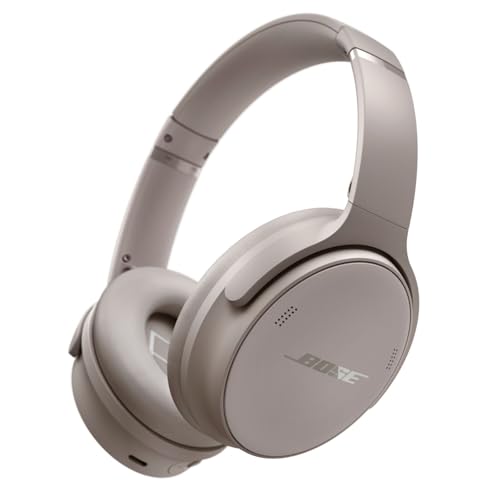
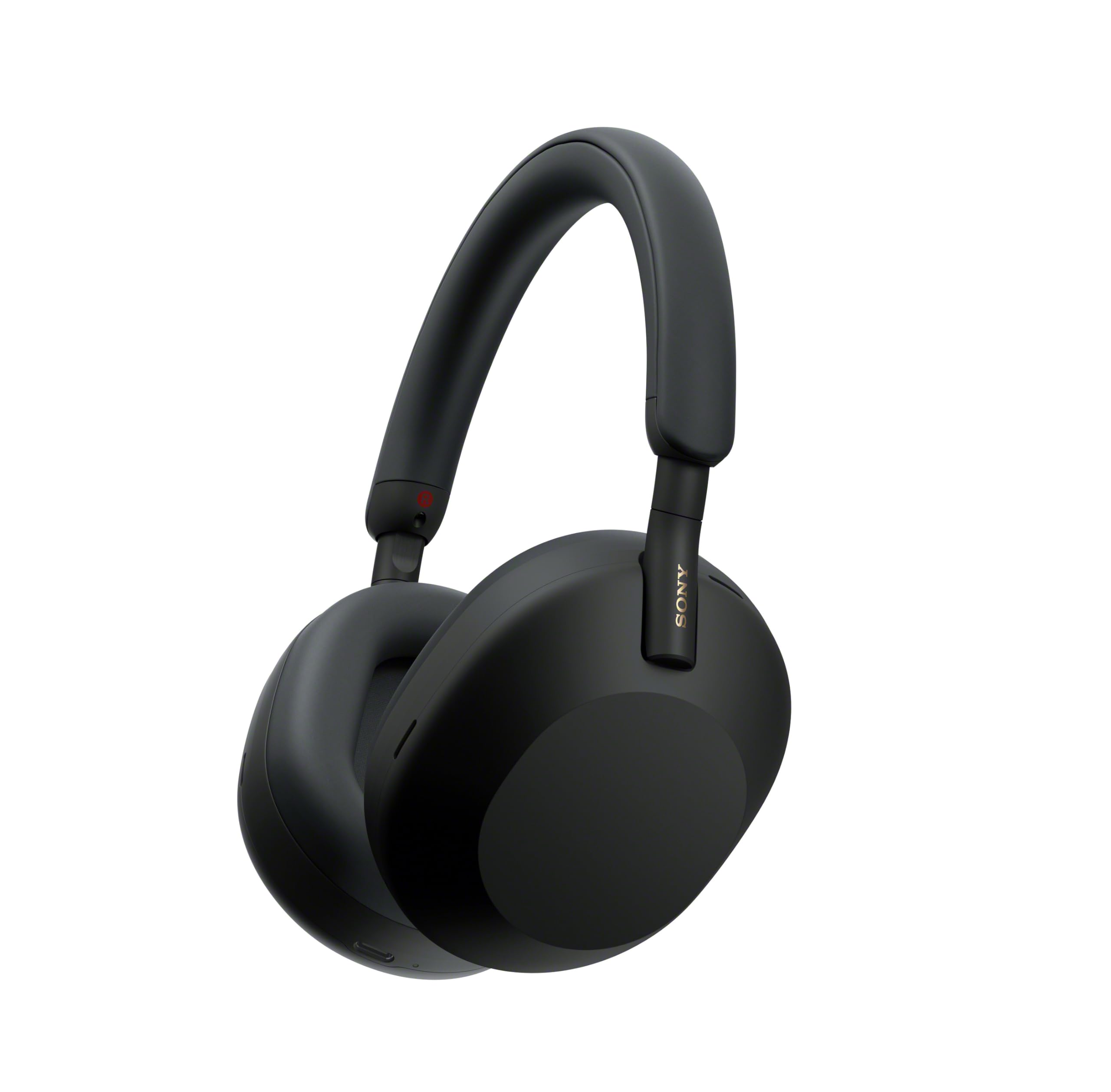
Both the Sony WH-1000XM5 Wireless Noise-Canceling Headphones and the Bose QuietComfort Wireless Noise-Canceling Headphones are frequently discussed in the context of premium noise cancellation. When comparing options at this level, pay attention to how the headphones handle wind noise specifically. Some models amplify wind when their microphones attempt to cancel it, which can be frustrating during a brisk fall walk. Look for features that automatically adjust cancellation based on your environment, as this reduces the need to fiddle with settings while you are on the move.
Comfort and Fit for Extended Wear
Colder weather often means wearing layers, and your headphones need to coexist with scarves, hoods, and hats. The fit of your headphones becomes more complicated when you add fall accessories to the mix. Over-ear designs are generally more accommodating than in-ear models when you are wearing a beanie or a thick scarf, but the clamping force of the headband can become uncomfortable when combined with a snug hat. Before committing to a purchase, think about how the headphones will interact with your typical autumn wardrobe.
Weight distribution and earcup depth are also critical factors. You may be wearing these headphones for hours at a time during a travel day or while working from a drafty home office. Shallow earcups can press your ears against the drivers, causing fatigue during long listening sessions. If possible, test the headphones with the type of headwear you plan to use. If you cannot test them in person, look for detailed descriptions of the earcup dimensions and materials, and verify these specifics with the retailer before finalizing your decision.
Over-Ear Versus In-Ear for Cooler Weather
Choosing between over-ear headphones and true wireless earbuds involves more than just sound quality. Over-ear headphones provide a physical barrier against cold winds, which can be a surprising comfort benefit during autumn walks. They also tend to stay securely in place when you are bundled up in a heavy coat. However, they are bulkier to carry and can interfere with certain hat styles. In-ear models are more portable and discreet but may not provide the same level of warmth or noise isolation.
Think about your primary use case. If you are an outdoor runner who continues training through November, you might prefer the stability and awareness provided by earbuds with transparency modes. If you are a commuter or someone who works in a shared space, the immersive experience of over-ear headphones is likely the better fit. There is no universal answer, so prioritize the scenario that occupies the majority of your listening time.
Common Mistakes When Buying Audio Gear
One frequent mistake is prioritizing specifications over practical experience. A headphone might boast impressive technical metrics on paper but still feel uncomfortable or frustrating to use daily. Avoid getting caught up in marketing language about sound profiles unless you have a clear understanding of your own preferences. Some listeners prefer a neutral sound for podcasts and acoustic music, while others want enhanced bass for electronic or hip-hop tracks. Without knowing your own taste, chasing the highest-rated sound signature is a gamble.
Another common error is ignoring the companion app. Many modern headphones rely heavily on their associated mobile applications for firmware updates, equalizer adjustments, and feature toggles. A poorly designed app can diminish the value of an otherwise excellent pair of headphones. Before buying, research whether the app is frequently updated and well-reviewed by users. Finally, do not forget to confirm warranty terms and return policies with the retailer, as these details provide peace of mind if the gear does not meet your expectations.
Questions to Ask Before You Buy
Start by asking yourself where and when you will use the headphones most often. Are they primarily for commuting, working from home, exercising, or traveling? The answer to this question should guide every other decision. Next, consider how long your typical listening session lasts. If you regularly listen for several hours at a stretch, comfort and battery longevity move to the top of your priority list. If you only use headphones for short bursts, you might prioritize portability instead.
Ask yourself what devices you will pair the headphones with. Compatibility with your phone, laptop, or tablet is essential. Some models handle multipoint connections better than others, allowing you to switch between a computer and a phone seamlessly. Finally, ask whether you need a wired option. While wireless listening is convenient, a wired connection can be invaluable if the battery dies or if you want to plug into an in-flight entertainment system. Verify connectivity options with the retailer to ensure the headphones meet all your requirements.
Final Considerations for a Seasonal Upgrade
Upgrading your audio gear for fall is about matching your equipment to your lifestyle as the season changes. The right headphones will seamlessly integrate into your daily routine, providing comfort during chilly commutes and focus during busy work sessions. Take the time to evaluate your needs honestly. Avoid rushing into a purchase based on hype or brand loyalty alone. Instead, focus on how specific features address your actual habits.
Remember that even highly regarded models like the Sony WH-1000XM5 Wireless Noise-Canceling Headphones and the Bose QuietComfort Wireless Noise-Canceling Headphones have distinct characteristics that may or may not suit your preferences. The goal is to find the gear that fits your life, not the gear that fits a generalized ideal. Always confirm current product details, availability, and specifications with the retailer before making your final decision.
Frequently asked questions
How do I know if over-ear headphones will fit with my fall hats?
Over-ear headphones can sometimes compete with beanies or thick hoods for space. Look for models with adjustable headbands that offer generous extension. If you cannot try them on in person, check the manufacturer's sizing details and verify them with the retailer. Some users find that thinner knit hats work fine, while stiff structured hats create pressure points.
Are premium noise-canceling headphones worth it for casual listening?
It depends on your environment. If you frequently listen in noisy spaces like coffee shops, public transit, or shared offices, active noise cancellation significantly improves your experience. If you primarily listen in a quiet room at home, you may not notice a substantial difference. Assess your typical listening environment honestly before deciding.
Can I use wireless headphones in cold weather without issues?
Most modern wireless headphones are designed to function in a range of temperatures, but extreme cold can affect performance. Battery drain may happen more quickly in very cold conditions. If you plan to use your headphones outdoors during winter, keep them close to your body for warmth when not in use and check the manufacturer's operating temperature guidelines.
What should I look for in a companion app for headphones?
A good companion app should be intuitive, stable, and regularly updated. Look for features like adjustable equalizer settings, customizable noise cancellation levels, and firmware update capabilities. Read user reviews of the app before purchasing, as a poorly designed app can undermine the experience of an otherwise solid pair of headphones.
Should I prioritize sound quality or noise cancellation?
There is no correct answer, as it depends entirely on your priorities. If you listen to music in quiet environments, sound quality should lead your decision. If you commute or work in noisy spaces, effective noise cancellation might matter more than subtle differences in audio fidelity. Many premium models offer strong performance in both areas, but you should identify which feature you value more.