Why Spring Changes the Audio Equation
Spring reshapes how people listen. Windows open, commutes move outdoors, and travel plans accelerate after winter. The gear that felt fine during a quiet December morning at home may struggle against April construction noise, open-air cafes, or breezy park paths. Before swapping in new headphones, think about where you will actually wear them over the next several months.
Warm weather introduces variables many buyers overlook until the first sweaty commute: ear pads that trap heat, headbands that chafe after an hour, and microphones that pick up wind instead of your voice. A model praised for pristine indoor sound may falter when gusts rattle the housing or when ambient street noise competes with your podcast. The goal is matching hardware to your real spring routine, not a spec sheet.
Assessing Your Primary Use Case
Start by ranking your top three listening scenarios. Common spring categories include public transit, outdoor walks or runs, air travel, shared office environments, and home relaxation. If transit and air travel dominate, active noise cancellation moves near the top of your priority list. If outdoor walks or exercise are primary, ambient awareness features and weather resistance matter more than total isolation.
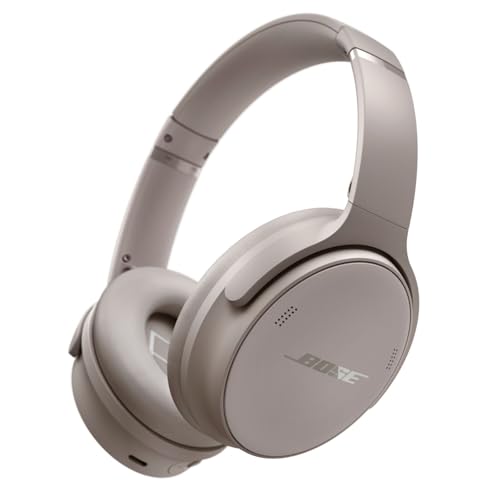
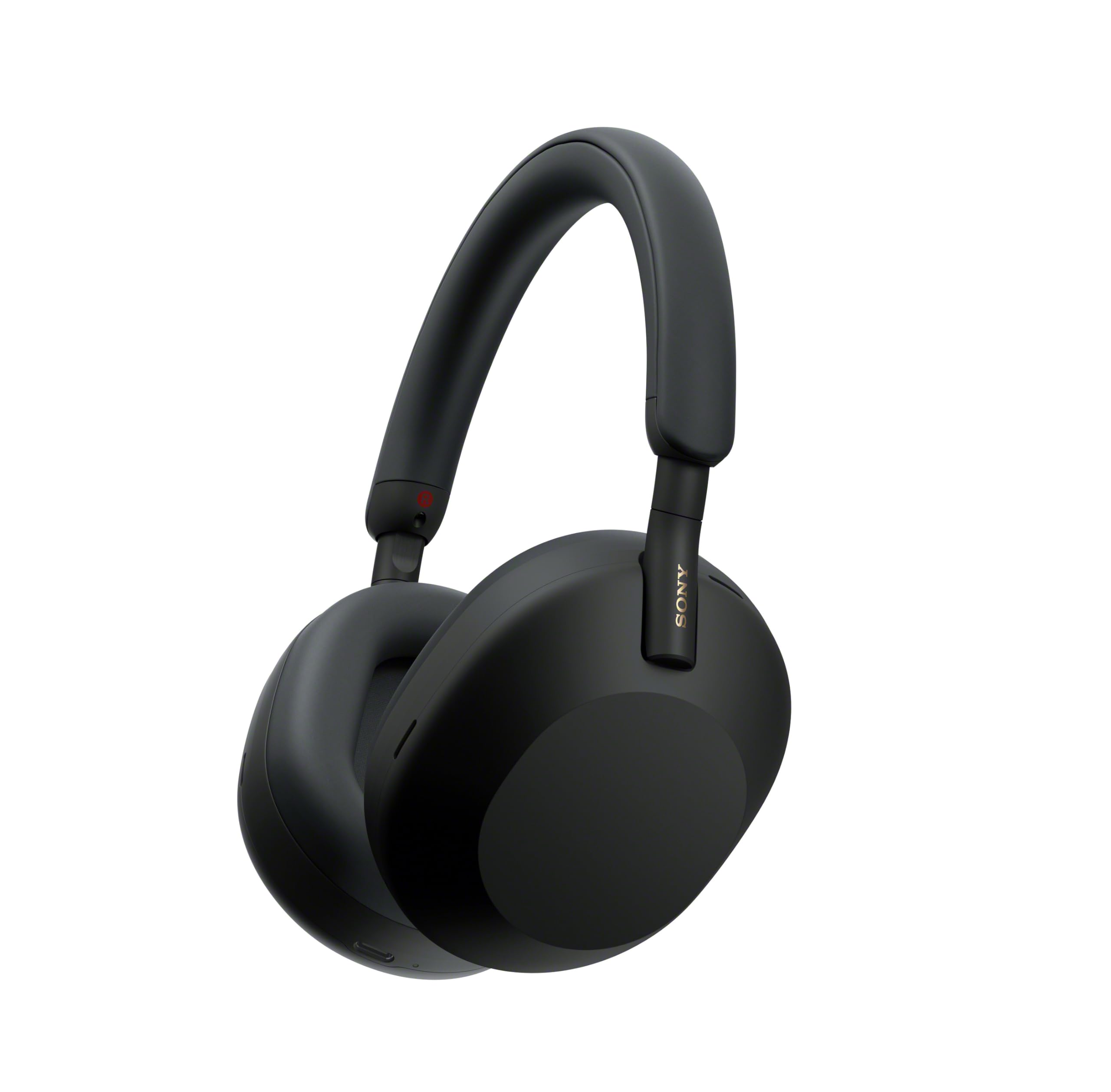
Be honest about secondary uses too. Someone who flies monthly but walks daily should weight the daily experience more heavily, since that is where frustration builds over time. A model like the Sony WH-1000XM5 Wireless Noise-Canceling Headphones, Black is often discussed in travel contexts, while the Bose QuietComfort Wireless Noise-Canceling Headphones, Black has a long reputation for comfort on long flights. Neither is universally superior; the right choice depends on which scenario you live in most.
Understanding Noise Cancellation vs. Ambient Modes
Active noise cancellation works by generating sound waves that counteract incoming noise. It excels at low, consistent sounds like engine hum or train rattle, but struggles with sharp, unpredictable noises like voices or construction clatter. Spring brings more of those unpredictable sounds: lawnmowers, street musicians, children at parks. Know what the technology can and cannot do before relying on it.
Ambient or transparency modes do the opposite: they pipe outside sound in so you stay aware of your surroundings. For urban walking, this feature is arguably more important than cancellation. Some headphones let you toggle between full cancellation, ambient mode, and off, which gives flexibility across environments. Consider how easily you can switch modes on the go. If you have to dig through an app every time you step outside, you probably will not use the feature enough to justify it.
Comfort and Weather Considerations
Ear pad material directly affects warm-weather comfort. Synthetic leather and memory foam feel plush in winter but trap heat and moisture quickly when temperatures rise. Fabric or mesh-covered pads breathe better, though they may sacrifice some passive isolation. Headband clamping force matters too: too loose and the headphones shift when you walk, too tight and they cause headaches within an hour.
Weight distribution is the hidden comfort factor. Two headphones can weigh similarly but feel completely different depending on where that weight sits. Models that center weight over the crown of your head tend to fatigue less than those that hang heavy on the ear cups. If possible, wear a pair for several minutes standing and walking before deciding. Sitting in a store for thirty seconds tells you almost nothing about a two-hour park stroll.
Common Mistakes Buyers Make in Spring
The most frequent mistake is over-indexing on noise cancellation performance measured in controlled lab conditions. Real spring environments are messy and variable. A model that cancels engine drone beautifully may still let every siren and conversation bleed through, leaving you disappointed despite strong reviews. Read user feedback that mentions specific outdoor scenarios, not just aggregate scores.
Another mistake is ignoring microphone quality for calls. Warmer weather means more walking calls, outdoor meetings, and voice notes sent from park benches. A headphone set with superb audio playback but a muddy microphone frustrates everyone on the other end. Wind handling is particularly important. Some mucus designs catch gusts and amplify them, making you inaudible during breezy spring afternoons. Check how the microphone array is positioned and whether reviews mention wind resistance specifically.
A third mistake is assuming one model handles every situation. Spring often requires compromise. If you split time between noisy commutes and quiet evening listening, you may need to accept middling performance in one area to excel in another. Prioritize ruthlessly.
Questions to Ask Before You Buy
Ask yourself: Will I wear these primarily indoors or outdoors over the next three months? How often will I need to hear my surroundings while listening? Do I take calls outside, and if so, how windy is my typical environment? How long are my average listening sessions when the weather is warm? Answering these honestly narrows the field quickly.
For the retailer or manufacturer, ask: What is the return window if comfort does not work out after extended wear? How does the warranty handle moisture exposure? Are replacement ear pads available separately, and what do they cost? Are firmware updates released regularly to address connectivity or noise cancellation refinements? These answers matter more than marketing claims and are often found on manufacturer support pages rather than product listings.
Final Practical Advice
Spring is a transition season. Gear that works in April may feel different by June when heat and humidity peak. If you are buying now, consider how your environment will shift over the coming weeks and whether your choice will still hold up when summer arrives. Breathability and weight become more critical as temperatures climb, and a purchase that felt perfect on a mild afternoon may become uncomfortable in warmer conditions.
Verify current specifications, compatibility, and return policies with the retailer before purchasing. Manufacturer pages and retailer listings update periodically, and details can change between model revisions. Taking a few minutes to confirm what you are actually getting prevents surprises after the box arrives.
Frequently asked questions
How do I know if over-ear or in-ear headphones suit spring better?
Over-ear models generally offer stronger noise cancellation and longer listening comfort, but they trap more heat in warm weather. In-ear models breathe better and stay secure during movement, though some people find them fatiguing over long sessions. If you switch between commutes and exercise, in-ear may be more practical. For travel and desk work, over-ear usually wins.
Is active noise cancellation worth it for outdoor use?
It depends on what you are trying to block. Active noise cancellation handles low-frequency drone like engines well, but it is less effective against voices, wind, and sharp environmental sounds. For urban walking, ambient awareness modes often matter more than cancellation. For flights and trains, cancellation is genuinely useful.
How important is water resistance for spring headphones?
If you walk or exercise outdoors, some moisture resistance is valuable since spring brings unexpected rain and humidity. Check the manufacturer's stated resistance rating and understand what it actually covers. Light splashes and sweat are different from heavy downpours. Few over-ear models are designed for serious moisture exposure.
Should I prioritize brand reputation or specific features?
Brand reputation gives a starting point for reliability and support, but specific features determine daily satisfaction. A well-regarded model that lacks an ambient mode may frustrate you on every outdoor walk. Identify which features map to your actual routine first, then see which brands deliver those features effectively.
Can I test headphones effectively before the return window closes?
Yes, and you should. Wear them in your real environments: your commute, your walking route, your office. Test calls outside on a breezy day. Try ambient and cancellation modes in different settings. A few days of varied use reveals far more than any review or spec sheet can.