Understanding Your Summer Listening Habits
Summer changes how and where you listen. Longer days, travel plans, outdoor workouts, and open windows all shift your audio routine. Before evaluating any gear, map out your typical week. Are you commuting on public transit with constant ambient noise? Walking tree-lined trails? Sitting on a beach with steady wind? Each scenario demands different strengths from your headphones.
The mistake many shoppers make is buying for a single marquee moment, like a big trip, rather than their daily reality. A pair that excels on a transcontinental flight might feel stifling during a humid afternoon walk. Think about how many hours you will realistically wear the gear each day and in what conditions. Sweat, humidity, and temperature swings all affect comfort and longevity more than most people anticipate.
Noise Cancellation: When It Helps and When It Hurts
Active noise cancellation is often the headline feature, but summer introduces nuance. On planes, trains, and buses, strong cancellation is a genuine asset. Outdoors, it can become a liability. Blocking out ambient sounds while walking or jogging near traffic is dangerous. Some listeners also find that the pressure sensation from aggressive cancellation becomes fatiguing during extended sessions.
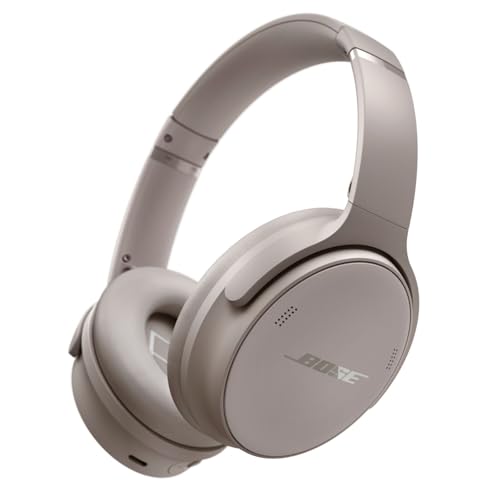
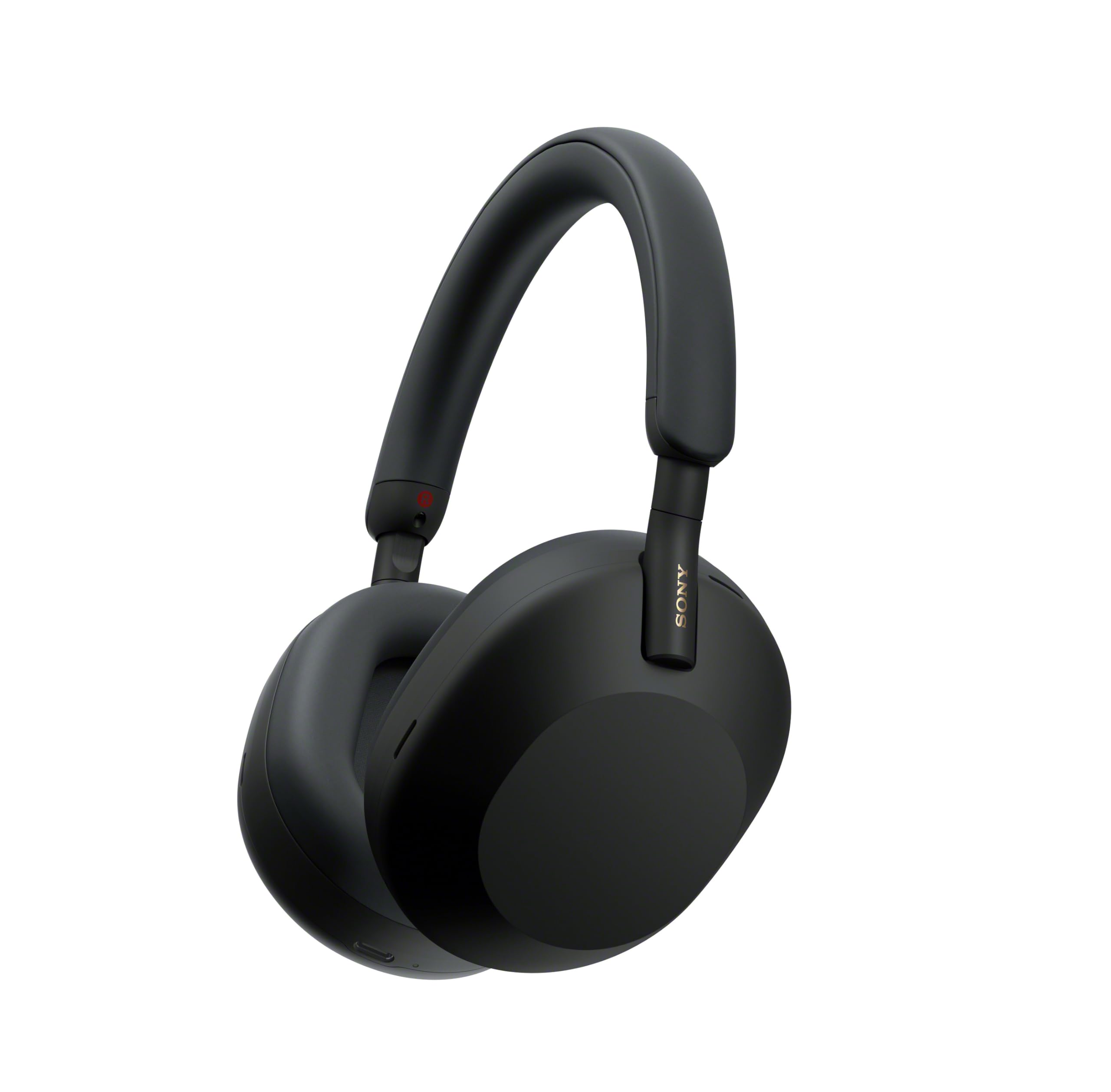
Look for gear that offers adjustable cancellation levels or transparency modes. The Sony WH-1000XM5 Wireless Noise-Canceling Headphones, Black and the Bose QuietComfort Wireless Noise-Canceling Headphones, Black both provide variable cancellation, letting you dial in the right balance for your environment. The question is not simply how well a pair cancels noise, but how gracefully it lets the world back in when you need it.
Heat, Humidity, and Comfort Over Long Sessions
Over-ear headphones trap heat. In warm weather, that becomes a comfort issue faster than sound quality becomes a performance issue. Ear cushions made of synthetic leather can feel sticky after even a short walk in warm temperatures. If you anticipate wearing headphones for hours at a time during summer, prioritize breathable materials and a clamping force that is secure without squeezing.
Weight distribution matters too. A lighter pair with well-padded headbands reduces fatigue during long travel days. If you cannot try before buying, read user feedback specifically from people in warm climates. Their comfort complaints will tell you more than any spec sheet. Remember that comfort is subjective and cumulative, a pair that feels fine for twenty minutes in an air-conditioned room might become unbearable after an hour in the sun.
True Wireless Earbuds as a Summer Alternative
For many summer scenarios, true wireless earbuds outperform over-ear headphones. They are lighter, less heat-trapping, and easier to carry. If your summer involves swimming, paddleboarding, or intense workouts, consider pairs with water resistance ratings suitable for those activities. Earbuds also sit closer to the ear canal, which can provide effective passive isolation without needing active cancellation.
The tradeoff is battery life and physical security. Earbuds need their charging case, and a long travel day can outlast a single charge. Fit is also more finicky. The seal that gives earbuds their bass response depends on the right tip size and ear shape. If you are considering earbuds alongside an over-ear pair, think of them as complementary rather than competing. Many listeners use earbuds for active outdoor time and over-ear headphones for travel and quiet indoor listening.
Durability and Care in Summer Conditions
Summer introduces environmental stressors that indoor listening never encounters. Sunscreen, sweat, sand, and salt air can degrade cushions, controls, and charging contacts. Wipe down headphones after sweaty use and store them in a case rather than tossing them loose in a bag. If you are near the ocean, rinse off any salt spray with fresh water once the gear is dry, following the care instructions for your specific pair.
Replacement ear pads are worth investigating before you buy. Some models have easily replaceable cushions, while others require professional service. Knowing that you can refresh the part that degrades fastest extends the useful life of your investment. Ask the retailer about warranty coverage for moisture damage, as standard warranties often exclude it.
Common Mistakes and Questions to Ask Before Buying
The most common mistake is over-indexing on noise cancellation strength while ignoring comfort, fit, and versatility. Another is assuming that a premium pair will automatically suit every scenario. A third is neglecting to consider how the gear integrates with your phone, laptop, and any other devices you use daily. Multipoint Bluetooth, for instance, matters if you switch between a phone and a computer frequently.
Before purchasing, ask yourself these questions: Will I wear this primarily indoors or outdoors? How many hours per day? Do I need to hear my surroundings? Will I be near water, sand, or heavy sweat? Does the pair work seamlessly with all my devices? Can I replace the ear pads myself? Answering these honestly will narrow your options more effectively than any ranking or review roundup. Always verify current specifications and compatibility with the retailer before committing.
Matching Gear to Your Summer Lifestyle
If your summer centers on air travel, a strong noise-canceling over-ear pair is likely the right call. The Bose QuietComfort Wireless Noise-Canceling Headphones, Black are a familiar choice in this category, and the Sony WH-1000XM5 Wireless Noise-Canceling Headphones, Black compete directly. Both are worth comparing for comfort, cancellation adjustability, and call quality if you work while traveling.
If your summer is more local, walking neighborhood routes, riding bikes, or relaxing in a backyard hammock, evaluate whether you need full noise cancellation at all. A well-sealed pair of earbuds or a lighter over-ear model with passive isolation might serve you better and cost less in fatigue. The goal is matching the gear to the life you actually live, not the one you imagine while shopping.
Frequently asked questions
Are over-ear headphones too hot for summer use?
They can be, depending on cushion material and ambient humidity. Synthetic leather pads trap heat quickly. Look for breathable materials and read feedback from users in warm climates. Some people switch to earbuds for outdoor summer activity and reserve over-ear headphones for travel and indoor use.
Do I need active noise cancellation for outdoor listening?
Often you do not, and sometimes it is unsafe. Cancellation is most useful on planes, trains, and buses. Outdoors, transparency modes or passive isolation usually make more sense. If you walk or bike near traffic, you need to hear your surroundings clearly.
How do I protect headphones from sweat and sunscreen?
Wipe cushions and headbands with a dry microfiber cloth after use. Avoid letting sunscreen contact the ear pads directly. Store headphones in a hard case rather than a bag pocket. Check whether your model offers replaceable ear pads, since those degrade fastest with regular summer exposure.
Should I buy earbuds or headphones for summer travel?
It depends on your trip. For long flights, over-ear headphones generally offer better cancellation and comfort. For multi-activity days, earbuds are lighter and easier to carry. Many travelers bring both, using headphones for transit and earbuds for walking and exercise.
What matters more for summer comfort, weight or cushion material?
Both matter, but cushion material often has a bigger impact on perceived comfort in heat. Breathable fabric or perforated cushions reduce heat buildup, while a lighter frame reduces fatigue over long days. If you cannot try a pair in person, prioritize reading reviews that mention warm-weather use specifically.