Why Winter Demands Different Audio Considerations
Winter weather introduces specific challenges for audio gear that simply do not exist during the warmer months. Cold temperatures can affect battery chemistry, causing devices to drain faster than they normally would indoors. Additionally, the bulkier clothing we wear—such as thick scarves, high collars, and heavy hoods—changes how headphones fit and seal against your head, which directly impacts both comfort and noise isolation. When shopping for audio gear to use during winter, you need to look beyond standard indoor performance metrics and think about how the equipment will handle freezing commutes, blustery walks, and rapid transitions between heated indoor spaces and frigid outdoor air. A pair of headphones that feels perfectly comfortable in a climate-controlled room might become cumbersome or ineffective when paired with a heavy winter coat and a wool hat.
Over-Ear vs. In-Ear for Cold Weather
Choosing between over-ear headphones and in-ear monitors is the first major decision a winter shopper must make, and each form factor has distinct seasonal advantages. Over-ear models provide a distinct winter benefit: they act as ear muffs, offering a physical layer of warmth against freezing winds. However, they can be difficult to position properly over thick beanies or hoods, and a broken seal drastically reduces both bass response and active noise cancellation effectiveness. In-ear monitors are much easier to wear under hats and helmets, but cold metal or plastic tips can be physically uncomfortable against bare skin in freezing weather. Consider your primary winter use case: if you spend long periods waiting at exposed bus stops, the insulating warmth of over-ear cups might be highly desirable. If you are doing active winter sports or wearing a tight-fitting helmet, in-ear monitors will likely provide a much more practical and secure fit.
Evaluating Active Noise Cancellation for Winter Commutes
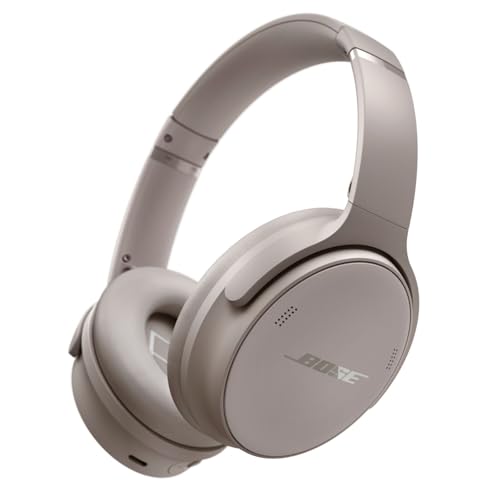
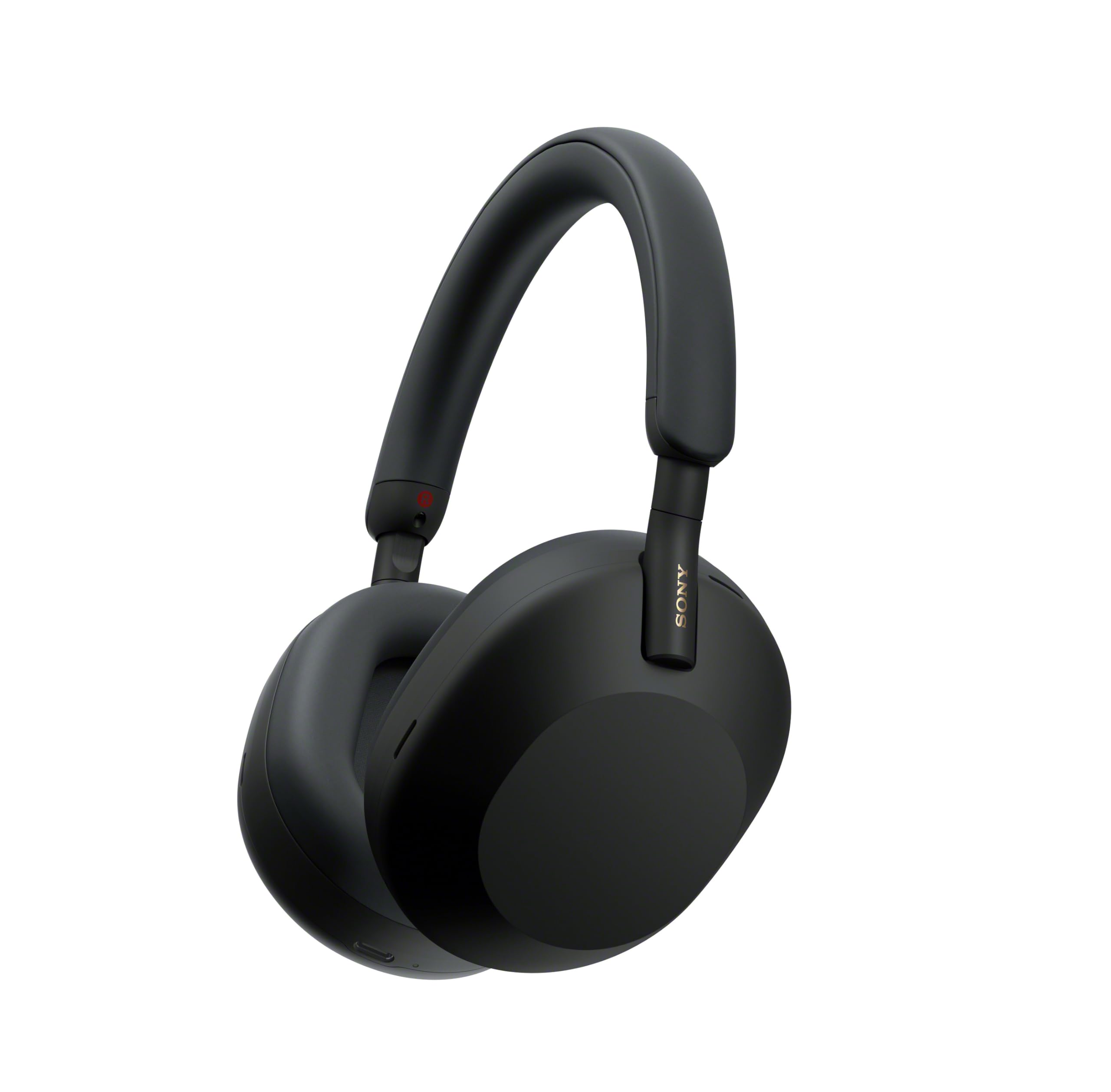
Active noise cancellation is a highly sought-after feature for winter commuters dealing with howling winds, rattling train cars, and loud bus engines. When evaluating premium options like the Sony WH-1000XM5 Wireless Noise-Canceling Headphones, Black or the Bose QuietComfort Wireless Noise-Canceling Headphones, Black, focus on how the active noise cancellation interacts with environmental wind noise. Some microphones can pick up wind interference, which creates a distracting ambient noise inside the cups that counteracts the benefits of the noise cancellation feature. Look for audio gear with dedicated wind-noise reduction algorithms or physical microphone shielding. Furthermore, passive isolation—the physical blocking of sound by the ear pads—is just as important as electronic cancellation. Ensure the clamping force is strong enough to maintain a solid seal even when your head is moving or when you are wearing bulky winter accessories that might otherwise break that seal.
Material Choices and Comfort in Freezing Temps
The materials used in your audio gear significantly affect the winter listening experience. Synthetic leather and memory foam ear pads, while excellent for passive noise isolation, can become stiff and uncomfortably cold when left in a freezing car or an unheated garage overnight. Metal headbands can conduct cold directly to your scalp if there is insufficient padding. When shopping, press on the ear pads to see if they remain pliable, and check if the headband features adequate cushioning to protect against the cold. Fabric or mesh ear pads might stay warmer and resist cracking in extreme dryness, but they typically offer less passive noise isolation, requiring you to rely more heavily on active noise cancellation. If you wear glasses, remember that cold weather makes plastic frames more brittle and stiff, which can create painful pressure points against your temples when combined with the clamping force of tight headphones.
Common Mistakes When Buying Winter Audio Gear
One of the most frequent mistakes shoppers make is buying audio gear based solely on indoor testing environments. A listening room in a heated electronics store will not reveal how stiff the ear pads become in the cold or how the microphone handles a biting winter wind. Another common error is ignoring the physical interaction between the headphones and winter apparel. A loose-fitting beanie can push the ear cups away from your ears, creating a gap that ruins the acoustic seal and renders active noise cancellation nearly useless. Finally, shoppers often forget to account for condensation. Moving rapidly between the cold outdoors and a warm, humid indoor environment can cause moisture to build up inside the ear cups, which can potentially damage internal electronics over time. Always allow your gear to acclimate to room temperature before powering it on or folding it up for storage.
Questions to Ask Before You Buy
Before making a purchase, ask yourself how you will actually use the gear during the winter months. Will you be making outdoor phone calls in noisy, windy environments? If so, prioritize models with robust microphone arrays and wind-noise reduction. How long is your typical winter commute? Battery performance naturally degrades in the cold, so a model that easily survives a long trip in the summer might require a midday top-up in January. Ask whether the ear pads are user-replaceable, as cold dry air can cause synthetic leather to flake and peel over time. Finally, consider the physical controls. Touch-sensitive controls can be frustrating to operate with thick winter gloves, whereas physical, tactile buttons are much easier to locate and press when your hands are bundled up. Always verify current product specifications and compatibility directly with the retailer before finalizing your purchase.
Frequently asked questions
Does cold weather permanently damage audio gear?
Prolonged exposure to freezing temperatures generally will not permanently damage well-constructed audio gear, but it can temporarily reduce battery life and make synthetic materials brittle. The main risk comes from rapid temperature changes, which cause condensation inside the electronics. Always let your gear warm up to room temperature naturally before turning it on or charging it.
Can I wear over-ear headphones with a winter hat?
You can, but it requires careful attention to fit. Thick beanies can break the acoustic seal between the ear pads and your head, which severely reduces both sound quality and active noise cancellation. If you must wear a hat, choose a very thin, tight-fitting beanie made of merino wool to maintain the seal while providing adequate warmth.
Are touch controls usable with winter gloves?
Most capacitive touch controls found on modern headphones do not register input through thick winter gloves. If you frequently need to adjust volume or skip tracks while outside, look for models that feature physical, tactile buttons instead of touch panels. Alternatively, you can use conductive touchscreen gloves, though they may still struggle with complex gestures.
How do I clean ear pads after exposure to winter moisture?
Gently wipe down the ear pads with a dry microfiber cloth as soon as you come indoors to remove any snow or condensation. Avoid using chemical cleaners, as cold weather already dries out synthetic leather. Leave the headphones unfolded in a dry, room-temperature environment so air can circulate around the pads until all moisture has completely evaporated.