Understanding Two Very Different Home Needs
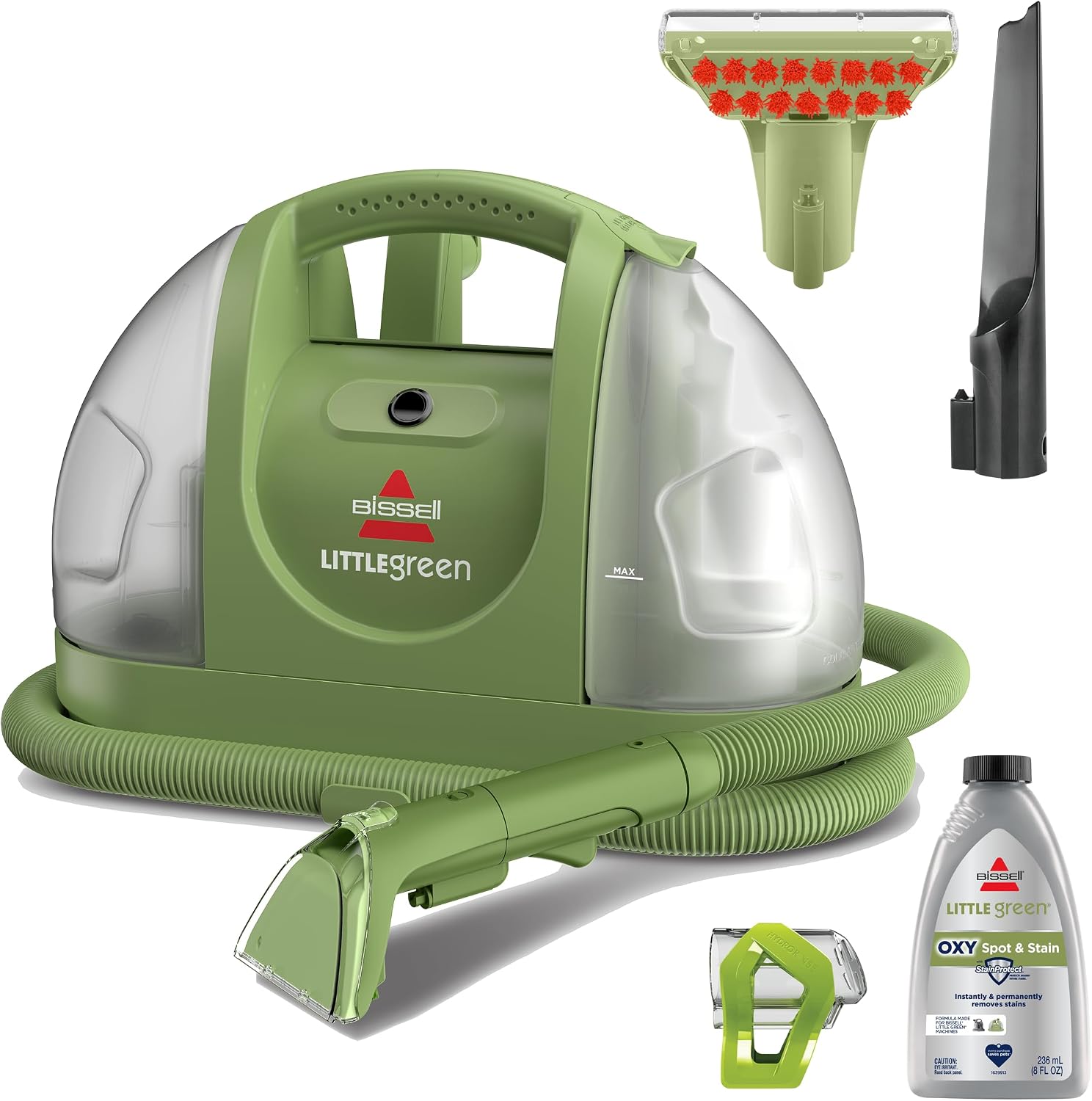
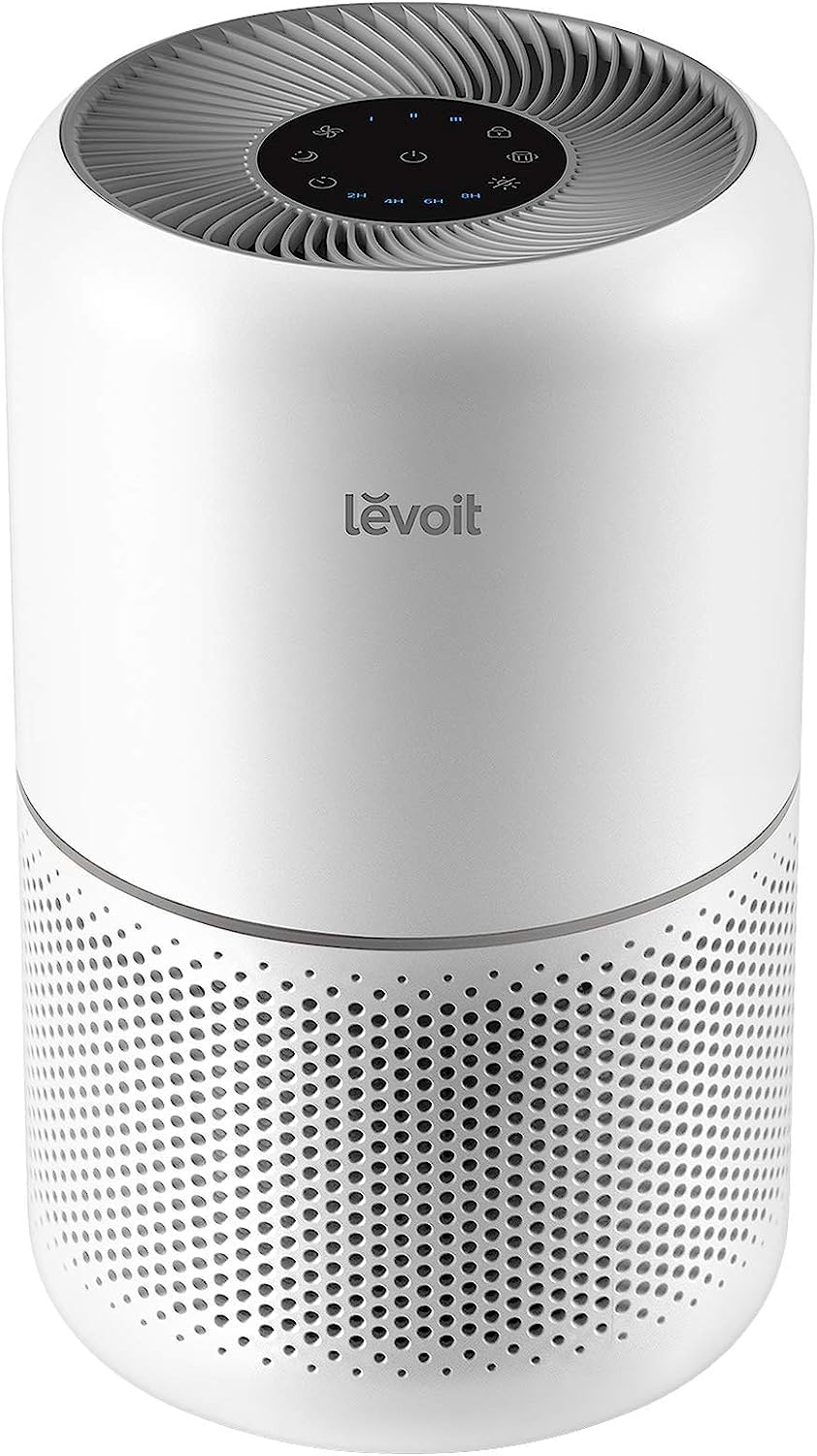
A portable carpet cleaner and a room air purifier solve entirely different household problems, yet shoppers often debate both when looking to improve their living space. The BISSELL Little Green Multi-Purpose Portable Carpet Cleaner targets visible messes on soft surfaces, while the LEVOIT Core 300-P Air Purifier addresses invisible airborne particles. Deciding between them is less about ranking quality and more about identifying which problem disrupts your daily comfort.
Start by auditing your home environment. If lingering odors, allergy symptoms, or dust accumulation on surfaces are your main frustrations, an air purifier is the logical direction. If you deal with pet accidents, food spills on upholstery, or tracked mud on entryway rugs, a portable carpet cleaner becomes the priority. Trying to solve a surface-stain problem with an air purifier, or an air-quality problem with a carpet cleaner, leads to predictable disappointment regardless of how well-built each product is.
Evaluating a Portable Carpet Cleaner for Your Home
When assessing a portable carpet cleaner like the BISSELL Little Green Multi-Purpose Portable Carpet Cleaner, the primary consideration is how frequently you encounter spot-cleaning situations. Households with pets, young children, or frequent guests tend to generate enough spills to justify keeping a dedicated spot cleaner accessible. The value comes from addressing accidents immediately, before stains set, rather than waiting to rent larger equipment or hiring professional services.
Look at the practical design elements that affect everyday usability. A portable cleaner should be easy to carry, simple to fill and empty, and straightforward to rinse after use. Pay attention to how the cleaning solution is dispensed, whether the brush head can reach tight corners or stair treads, and how much effort is required to extract water back out of the fabric. Cleanability of the machine itself matters enormously; a spot cleaner that is difficult to rinse out becomes an odor source over time. Consider where you will store it, as these units require space and should not be tucked somewhere so inconvenient that you skip using them when a spill happens.
Evaluating an Air Purifier for Your Home
Air purifiers serve a different function entirely, and evaluating one like the LEVOIT Core 300-P Air Purifier involves thinking about room size, filter type, and daily noise tolerance. The most effective air purifier is one that runs consistently, so it must be quiet enough to leave on while you sleep, work, or watch television. Noise levels at different fan speeds are a critical factor that shoppers frequently overlook until the unit arrives and becomes too disruptive to keep running.
Filter replacement is an ongoing consideration that affects both convenience and cost over time. Check what type of filtration the unit uses, how often the manufacturer recommends replacing the filter, and how straightforward the replacement process is. Some units use proprietary filters that are only available from the manufacturer, while others accept more generic options. Also consider the physical footprint and placement requirements. Air purifiers generally need clearance around the intake and exhaust vents to function properly, so measure your intended placement area and confirm the unit can pull air from the right directions without being blocked by furniture.
Matching the Product to Your Specific Use Case
Your living situation heavily influences which product delivers more day-to-day value. Apartment dwellers with minimal carpeting and no pets may find an air purifier far more impactful, especially if neighboring cooking odors, seasonal pollen, or construction dust are concerns. Conversely, a household with multiple pets, light-colored carpets, and active children will likely reach for a portable carpet cleaner regularly and appreciate having it on hand for immediate response.
Think about the surfaces in your home and the types of incidents you actually encounter. A portable carpet cleaner is useful on upholstery, car interiors, stair treads, and area rugs, but it is not designed for whole-room carpet cleaning or hard floors. An air purifier handles airborne particulates but does nothing for dust that has already settled on surfaces or stains that have already soaked into fabric. Being honest about your most frequent household annoyance prevents overspending on a product that addresses a problem you rarely face.
Common Mistakes Shoppers Make
One frequent mistake is assuming that a portable carpet cleaner can substitute for a full-size carpet cleaner or regular vacuuming. Portable units are designed for spot treatment and small areas, not deep cleaning entire rooms. Expecting professional-grade extraction from a compact unit leads to unrealistic expectations and dissatisfaction. Another error is neglecting to clean the machine after each use, which causes residual water and debris to create mold or unpleasant smells inside the unit.
With air purifiers, a common misstep is buying a unit undersized for the room where it will operate. An air purifier can only cycle the air within its rated coverage area, and placing a smaller unit in a large, open-concept space significantly reduces effectiveness. Shoppers also frequently forget to factor in filter replacement frequency and cost, focusing entirely on the initial purchase. Additionally, placing an air purifier directly against a wall or behind furniture restricts airflow and undermines performance, so plan placement carefully before committing.
Questions to Ask Before Buying
Before purchasing a portable carpet cleaner, ask yourself how often you genuinely deal with spills or pet accidents. Consider whether you have adequate storage space, whether you are willing to clean the unit after each use, and whether your home has enough soft surfaces to justify the purchase. If you only encounter a major spill once or twice a year, a professional rental or service may be more practical than owning a machine that sits unused.
For an air purifier, ask which specific air quality issue you are trying to address. Identify the room where you spend the most time and confirm the unit is appropriately sized for that space. Think about whether you or anyone in your household has allergies or sensitivities that would benefit from continuous filtration. Consider whether the noise level at various speeds will allow the unit to run overnight, and verify how accessible and affordable replacement filters are. In both cases, confirm current specifications, availability, and pricing with the retailer before purchasing, as product details and stock can change over time.
Frequently asked questions
Can an air purifier help with carpet odors?
An air purifier can reduce airborne odors associated with carpets, particularly pet or cooking smells that linger in the air. However, it cannot remove odors embedded in the carpet fibers themselves, which requires surface cleaning. If odor originates from a specific stain or residue, a carpet cleaner is the more direct solution.
Is a portable carpet cleaner worth it if I already have a full-size vacuum?
A portable carpet cleaner serves a different purpose than a vacuum. Vacuums remove dry debris from surfaces, while carpet cleaners inject water and cleaning solution to extract stains and embedded dirt. If you frequently deal with wet spills, pet accidents, or upholstered furniture stains, a portable cleaner complements a vacuum effectively.
How do I know if an air purifier is the right size for my room?
Manufacturers provide coverage area guidance for each model, typically based on how many air changes per hour the unit can achieve in a given space. Compare the stated coverage to the square footage of your room, and consider ceiling height and whether the room connects to open hallways. Choosing a unit rated for a slightly larger space than your room provides a helpful margin.
Do portable carpet cleaners work on hard floors?
Portable carpet cleaners are designed for soft, porous surfaces that can absorb water and cleaning solution. Using them on hard floors is generally not recommended, as they are not built to extract liquid from flat, non-absorbent surfaces. For hard floor spills, a standard mop or dedicated hard floor cleaner is more appropriate.
How often should I run an air purifier?
Air purifiers are most effective when run continuously, as they constantly filter incoming air and maintain cleaner conditions. Many people run them on lower speeds during the day and higher speeds at night or when air quality is particularly poor, such as during allergy season or after cooking. Consistent operation yields better results than intermittent use.