Start With the Recipient, Not the Product
Electronics are among the most requested holiday gifts, but they also generate the most disappointment. The problem is rarely the device itself — it is a mismatch between what the device does and what the recipient actually needs. A powerful flagship phone for someone who barely uses apps beyond messaging and calls is wasted potential. A feature-rich smartwatch for someone who never wears watches is just clutter.
The key to a good electronics gift is understanding the recipient's daily habits. What do they already own? What do they complain about? What would genuinely simplify their routine? These questions matter more than brand recognition or feature lists. Before browsing anything, sit down and write out what the recipient does with their current devices on a typical day. That exercise will tell you more than any product page ever could.
Remember that electronics gifts carry an implicit obligation. The recipient has to set the device up, learn it, maintain it, and eventually replace it. A thoughtful gift acknowledges that burden and minimizes it. A thoughtless one creates work.
Evaluating Smartphones: Matching Features to Real Use
When considering a smartphone as a gift, start with the recipient's current device and carrier. Someone upgrading within the same brand generally has the smoothest transition — their apps, accounts, photos, and accessories carry over with minimal friction. Moving someone from one operating system to another is possible but requires more setup, may involve repurchasing apps, and often means relearning basic gestures and settings.
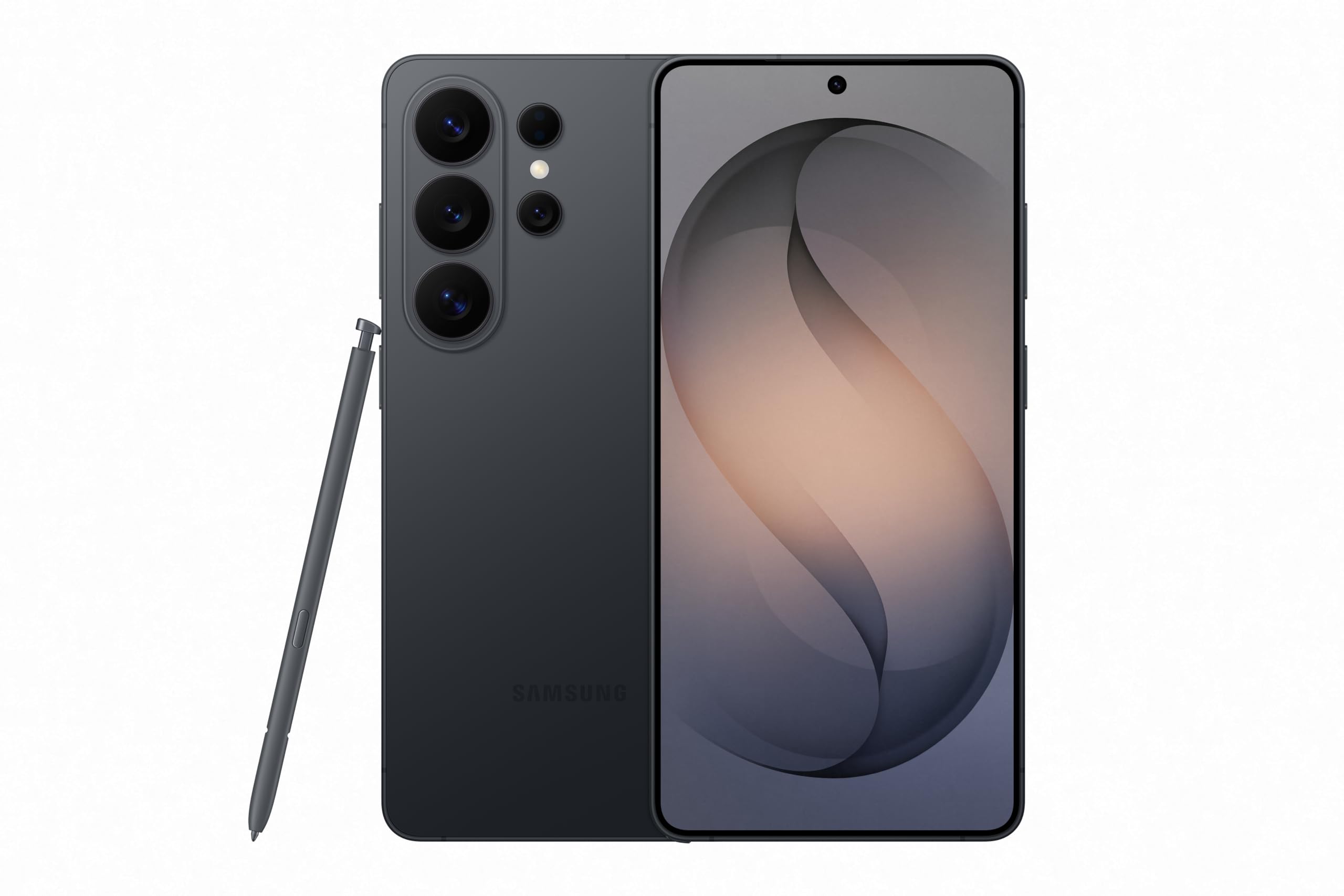
The Samsung Galaxy S Ultra represents the kind of premium phone that suits users who rely heavily on their device for photography, productivity, or media consumption. It is a strong fit for someone who wants a large display, advanced camera capabilities, and the flexibility of an unlocked device that can move between carriers. But it may be excessive for a recipient who primarily texts, browses the web, and takes occasional photos of their pets.
Storage is another consideration that depends entirely on the user. Heavy photo takers, app collectors, and people who download lots of video benefit from higher storage tiers. Lighter users who stream rather than download may find base storage perfectly adequate. Think about whether the recipient tends to hoard media or keeps their phone tidy, and choose accordingly.
Smartwatches: When They Help and When They Sit in a Drawer
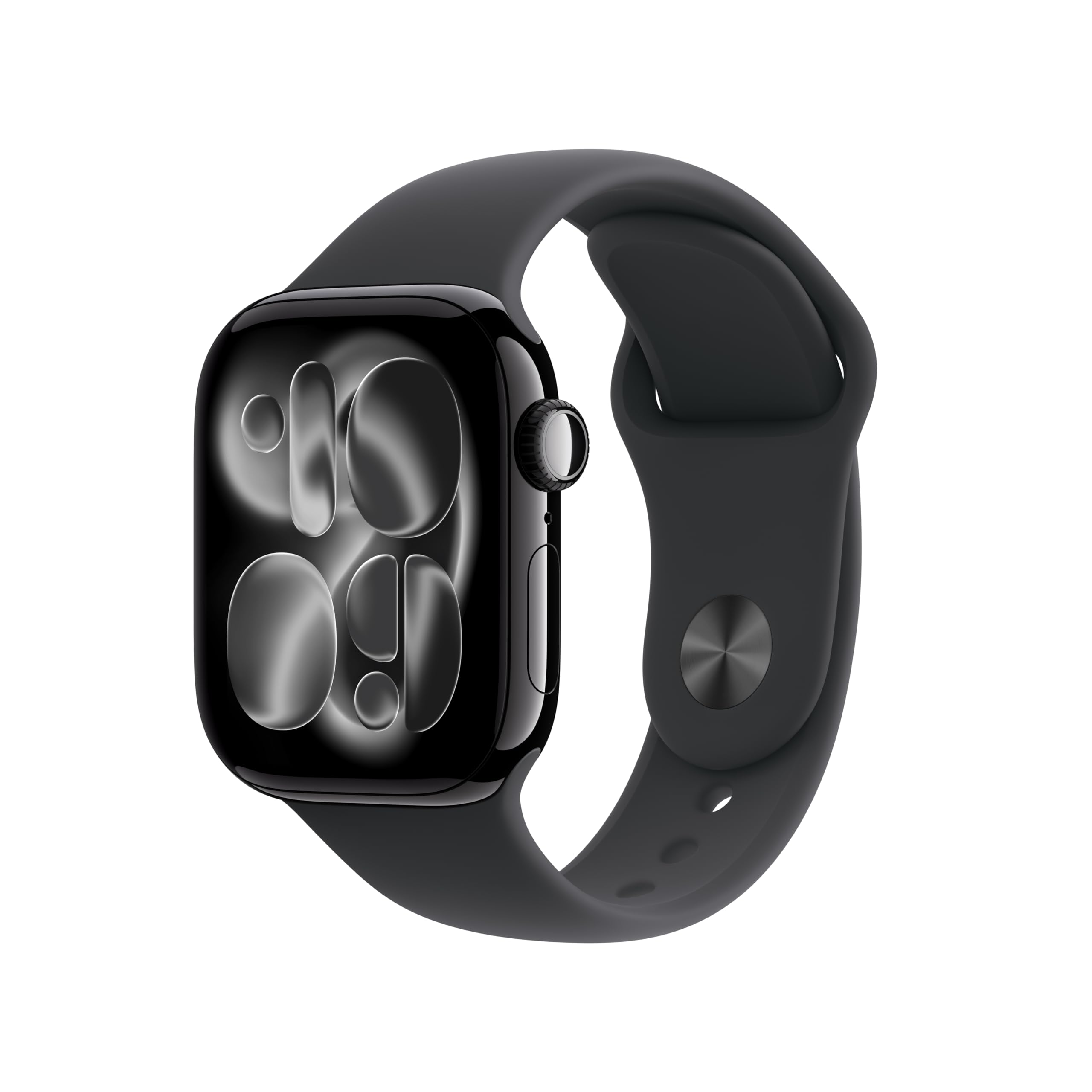
Smartwatches can be genuinely useful for the right user, but they are one of the most commonly misjudged gift categories. The Apple Watch Series works best for someone who already uses an iPhone, values fitness tracking, and wants notifications on their wrist without reaching for their phone. It also appeals to people interested in health metrics like heart rate, activity levels, and sleep patterns throughout the day.
However, a smartwatch is not universally useful. If the recipient does not wear watches, has no interest in fitness data, or finds constant notifications stressful, even the best smartwatch may go unworn. Compatibility is also critical — Apple Watches require iPhones, so gifting one to an Android user creates an immediate and unavoidable problem.
Charging habits matter too. Someone who charges their phone every night may not mind adding a watch to the same routine. But people who dislike daily device maintenance may find a smartwatch tedious. Think about whether the recipient will appreciate the health and convenience features enough to tolerate the upkeep, or whether the novelty will fade after a few weeks.
Ecosystems Matter More Than You Think
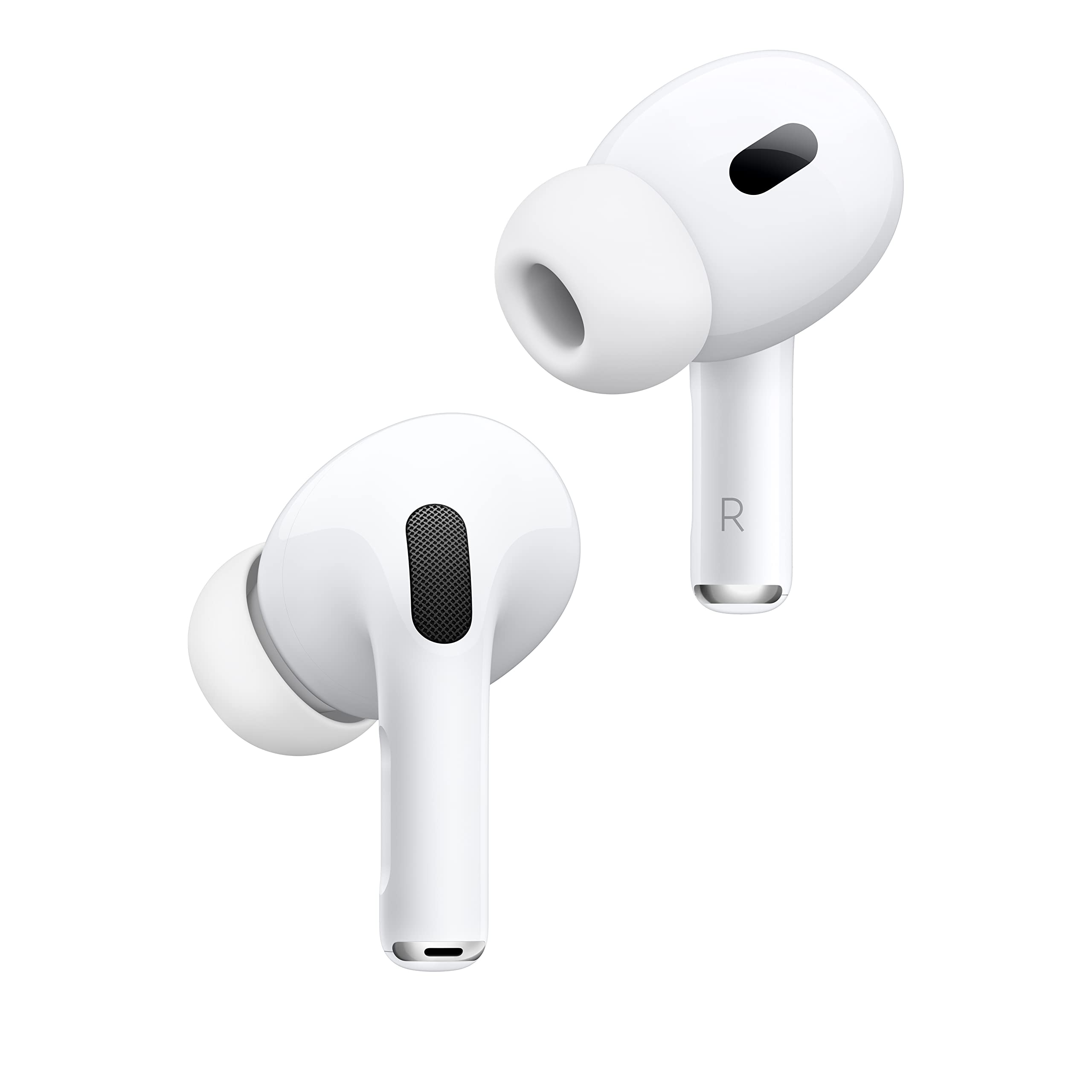
One of the most overlooked factors in electronics gifting is the ecosystem the recipient is already invested in. Apple devices work best together — an iPhone, an Apple Watch, and AirPods share features like seamless handoff, unified notifications, and shared contacts. Samsung devices have their own ecosystem advantages, particularly when paired with Samsung tablets, earbuds, or smart home products.
Gifting across ecosystems can create real friction. A Samsung phone given to someone deeply embedded in Apple's world means they lose features like group chats with family, instant photo sharing, and seamless device handoff. An Apple Watch gifted to an Android user will not work at all. These are not minor inconveniences — they are daily frustrations.
Ask yourself whether the recipient is better served by deepening their current ecosystem or whether they have expressed genuine openness to switching. Most people prefer staying with what they know unless they have explicitly voiced frustration with their current setup. Respecting that preference leads to a better gift.
Common Mistakes When Buying Electronics as Gifts
The most common mistake is assuming that newer means a better fit. A flagship device might offer improvements over what the recipient already owns, but those improvements may be meaningless to a light user. Another frequent error is ignoring accessory compatibility — a new phone may need different charging cables, a new case, or different earbuds, which adds hidden cost and complexity to the gift.
Buying based on your own preferences rather than the recipient's is another trap. You might love the customization options of Android, but if your recipient values simplicity and consistency, they may prefer a more locked-down experience. Conversely, an Android phone like the Samsung Galaxy S Ultra gives power users more control and flexibility than a more restrictive ecosystem would. The right choice depends on the person opening the box, not the person buying it.
Many buyers also forget to consider the learning curve. Moving from one operating system to another means relearning gestures, settings, and default apps. For less tech-savvy recipients, this can be frustrating rather than exciting. A gift that requires hours of setup and tutoring is not always received as a gift.
Questions to Ask Before You Commit
Before finalizing any electronics gift, work through a short list of practical questions. What does the recipient currently use, and are they happy with it? This tells you whether to upgrade within the same brand or consider a switch. What do they actually do with their devices? A power user who games, edits photos, or multitasks heavily has very different needs from someone who checks email and scrolls through social media.
Is the recipient in the middle of a contract or payment plan? This can affect whether they can even accept a new device right now. Does the recipient have strong brand preferences? Some people feel deeply about Apple versus Android, and crossing that line without explicit permission can backfire. Will the recipient need accessories? Cases, chargers, screen protectors, and cables may all need replacing with a new device, and a gift that arrives without essentials can feel incomplete.
Finally, think about timing. A new phone in late November may be fine, but if a recipient's current plan runs out in January, they may prefer to wait. When in doubt, ask a subtle question about their current setup and whether they are happy with it.
Verifying Details Before You Purchase
Once you have narrowed down your choice, take time to verify current details with the retailer before purchasing. Product configurations, included accessories, and warranty terms can vary by seller and can change over time. Confirm exactly which model, color, storage tier, and band or case option you are selecting. Check the return policy — holiday return windows are often longer than standard ones, which is valuable if the gift does not land as expected.
If you are buying a phone, confirm with the recipient's carrier that the specific model is compatible and that activating it will not disrupt their current service. For smartwatches, verify that the recipient's phone model is supported, as compatibility lists can shift with software updates. Unlocked phones like the Samsung Galaxy S Ultra offer carrier flexibility, but you should still check that the recipient's network supports it fully.
These extra steps may feel tedious, but they are the difference between a gift that delights and one that creates frustration. A few minutes of verification can save hours of returns, exchanges, and awkward conversations after the holidays.
Frequently asked questions
Should I buy the latest model or look for an older generation?
It depends on the recipient's needs. Light users rarely notice the difference between consecutive generations, while power users may benefit from newer processors, cameras, or software features. Focus on what the recipient actually does with their device rather than assuming the newest option is always the better fit.
How do I know if a smartwatch is a good gift choice?
Look for three signals: the recipient already wears a watch or fitness tracker, they use a compatible phone, and they have expressed interest in health data or quick notification access. If all three apply, it is likely a strong fit. If any are missing, consider whether the recipient would actually wear it daily.
Is it safe to buy an unlocked phone as a gift?
Unlocked phones offer flexibility because they work with multiple carriers, but you should still confirm compatibility with the recipient's specific carrier before purchasing. Unlocked devices are generally a safe choice because they do not lock the recipient into a particular carrier or payment plan.
What if the recipient wants to return or exchange the gift?
Always check the retailer's return policy before purchasing, especially during the holiday season when return windows may differ from standard policy. Keep all packaging, accessories, and receipts intact, and let the recipient know the return deadline so they can make an exchange if the device does not suit them.