Understanding Winter Electronics Needs
Winter introduces specific environmental factors that can influence how everyday electronics perform. Lower temperatures can affect battery chemistry, while moisture from snow and rain introduces water-resistance considerations. When evaluating devices for winter use, think beyond standard daily tasks. Consider how the device will function during outdoor commutes, winter sports, or simply navigating shorter, darker days. A smartwatch or smartphone purchased for general use might need to meet additional thresholds for durability and responsiveness in cold conditions. The goal is to identify electronics that integrate seamlessly into your routine without requiring constant maintenance or delicate handling when the weather turns. Shoppers should verify current specifications and availability with the retailer before making a purchase.
It helps to map your typical winter day and pinpoint where your current devices fall short. Does your phone battery drain rapidly during a cold morning commute? Is your smartwatch unresponsive when you try to answer a message while wearing gloves? By identifying these friction points, you can prioritize features that directly address your winter lifestyle. Look for devices that balance robust construction with the everyday convenience you expect year-round.
Evaluating Smartwatches for Cold Weather
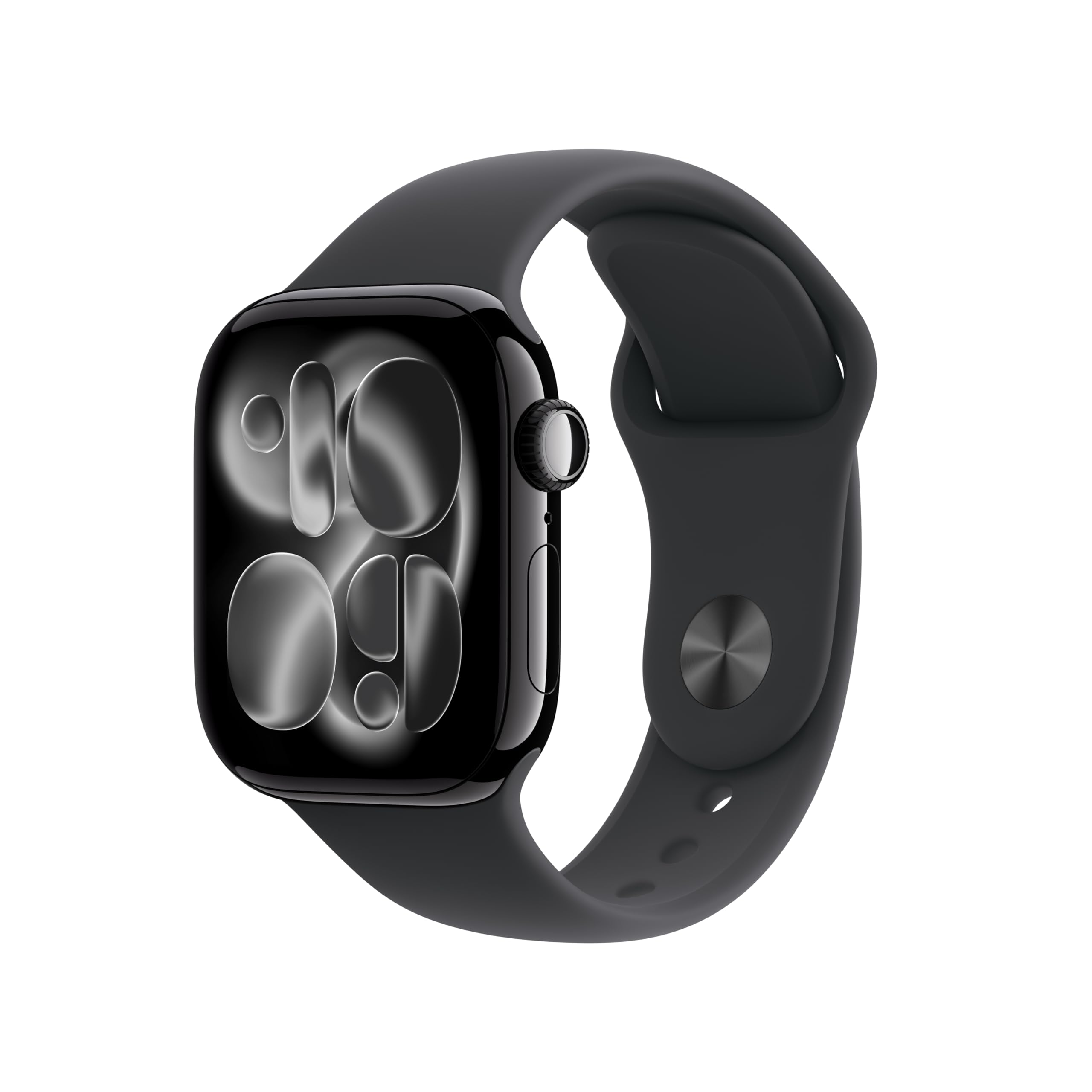
When considering a smartwatch like the Apple Watch Series, focus on how it handles the specific demands of winter. Touch responsiveness can vary when fingers are cold or when you are wearing gloves, so it is worth considering how you plan to interact with the display in different weather scenarios. Additionally, battery performance in cold weather is a common concern, as lower temperatures can accelerate battery drain during outdoor activities. Look for models that offer robust health tracking, which can be particularly useful if you engage in winter sports or want to monitor your activity levels during the colder months. Always confirm specific features and current details with the retailer before purchasing.
Beyond the hardware itself, think about the ecosystem and the strap material. A smartwatch is only useful if it remains comfortable and secure on your wrist, even over a thick jacket sleeve or base layer. Consider how the device syncs with your existing phone, and whether the interface allows for quick glances rather than prolonged exposure of your bare hands to the cold. The Apple Watch Series, for example, integrates deeply with iOS, but you should evaluate whether that ecosystem matches your current smartphone choice and daily habits.
Choosing a Smartphone for Winter Durability
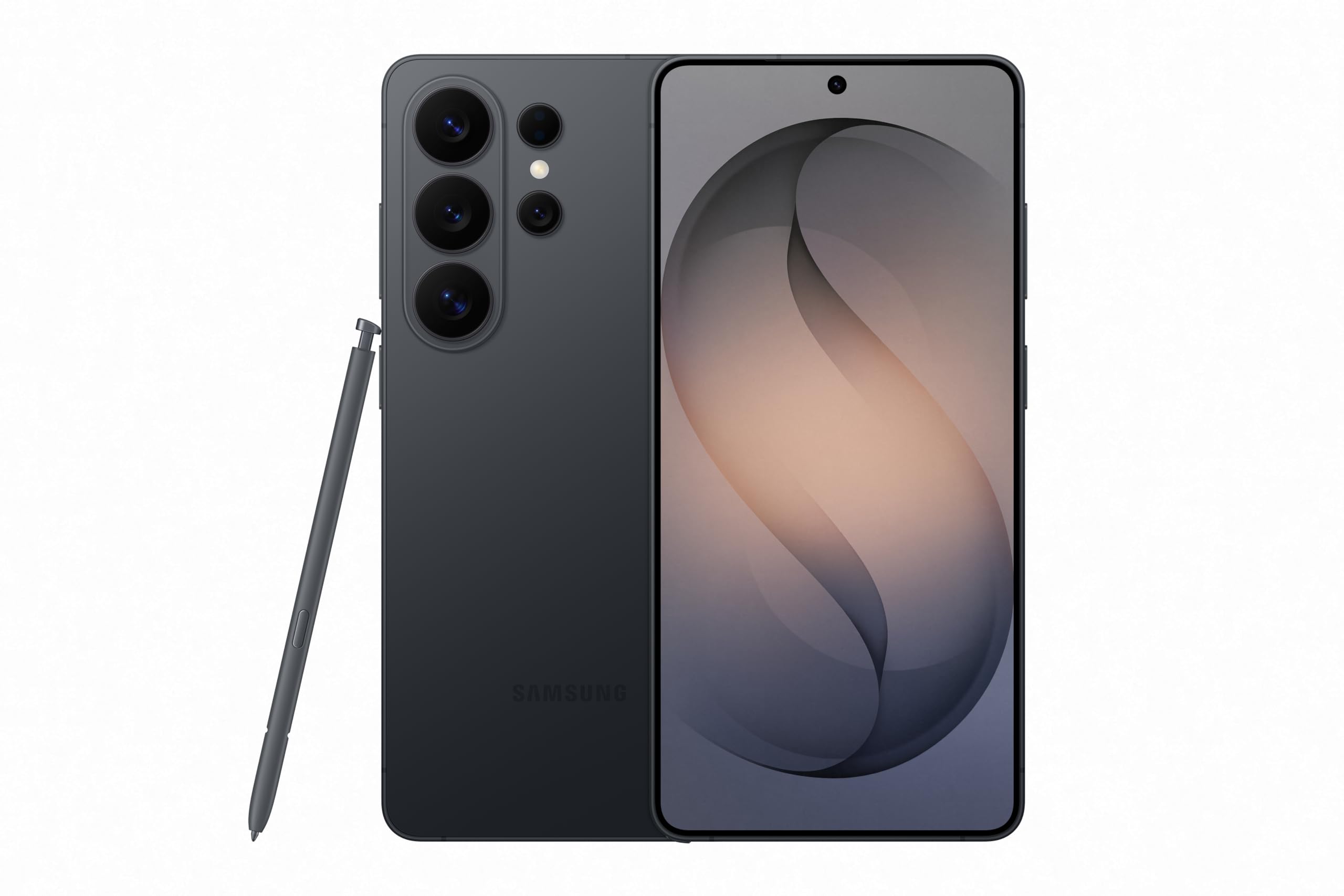
A winter-ready smartphone needs to handle more than just calls and apps; it must withstand the elements. When evaluating a phone like the Samsung Galaxy S Ultra, consider its construction materials and how they hold up in cold, damp conditions. Metal frames can feel uncomfortably cold against bare skin, while certain glass backs might become slippery when wet. Look for devices with strong water resistance ratings, as winter precipitation—whether rain, sleet, or snow—can easily find its way into pockets and bags. You should also think about screen brightness and how well the display remains visible in bright winter sunlight reflecting off snow. Retailers can provide the most current information on device specs and availability.
Another critical factor is battery life and charging behavior in cold environments. Batteries drain faster in the cold, so a phone that easily lasts a full day in summer might struggle during a winter hike or a long day of outdoor errands. If you frequently spend extended periods outdoors, consider how you will manage power—whether through portable chargers or conservative usage settings. The Samsung Galaxy S Ultra represents the kind of flagship device that often includes large batteries, but you should verify the exact specifications and how they translate to real-world winter performance before buying.
Common Mistakes When Buying Winter Electronics
One of the most frequent mistakes shoppers make is overlooking the impact of cold temperatures on battery life. A device that performs flawlessly at room temperature might struggle to hold a charge during a ski trip or a cold morning commute. Another common error is ignoring glove compatibility. Many touchscreens require the conductivity of bare skin, which makes using a phone or smartwatch difficult in freezing weather. Shoppers often assume all modern devices handle cold weather equally well, but this is not always the case. Always check with the retailer for the most up-to-date product details before finalizing a purchase.
Another pitfall is underestimating the importance of water and moisture resistance. Winter weather brings snow, sleet, and rain, and devices can easily be exposed to moisture when pulled from a pocket or used outdoors. Failing to verify a device's ingress protection rating can lead to unexpected damage. Furthermore, buyers sometimes prioritize aesthetics over practicality, choosing sleek finishes that become fragile or hard to grip when cold and wet. Focus on how the device will function in real-world winter conditions, not just how it looks in a product photo.
Assessing Use-Case Fit for Your Lifestyle
To determine if a device fits your needs, start by categorizing your winter activities. If you primarily commute by car and work indoors, standard electronics will likely suffice, and you may not need specialized rugged features. However, if you work outdoors, participate in winter sports, or live in a region with extreme cold, your requirements change significantly. For instance, the Apple Watch Series offers comprehensive health and fitness tracking that can be valuable for monitoring winter activities, but you must ensure it meets your specific durability and battery expectations. Ask yourself how often the device will be exposed to freezing temperatures and whether you have a plan for keeping it charged.
Consider the software experience as well. Winter often means wearing gloves, which makes navigating complex menus frustrating. Devices that support voice commands, physical buttons, or simplified interfaces can be much more practical. When comparing options like the Samsung Galaxy S Ultra, think about whether its software features align with how you intend to use the phone in adverse conditions. A device might have impressive specifications on paper, but if it requires constant, delicate interaction, it may not be the right fit for your winter routine.
Questions to Ask Before You Buy
Before purchasing any winter electronics, ask yourself a few critical questions. How does this device handle cold temperatures, particularly regarding battery drain? Is the screen usable in bright sunlight reflecting off snow? Can I operate the touch interface while wearing gloves, or does it support alternative input methods? What is the official water resistance rating, and does it cover the type of moisture exposure I will encounter? Answering these questions will help you avoid buying a device that fails when you need it most. Remember to verify all specifications and current availability with the retailer before making your final decision.
It is also wise to consider the warranty and support options. Winter conditions can be harsh on electronics, and accidents happen. Does the manufacturer offer coverage for accidental damage? How easy is it to get a replacement if the device fails during a cold snap? By factoring in these post-purchase considerations, you can ensure that your winter electronics investment remains protected throughout the season and beyond.
Frequently asked questions
How does cold weather affect electronics batteries?
Cold temperatures slow down the chemical reactions inside batteries, which temporarily reduces their capacity and causes them to drain faster. This is a common issue for smartphones and smartwatches used outdoors in winter. Keeping devices close to your body warmth can help mitigate this effect.
Can I use a touchscreen while wearing winter gloves?
Standard winter gloves typically block the electrical conductivity needed for touchscreens to register input. You can look for gloves with conductive fingertips, use a stylus, or choose devices that support alternative input methods like voice commands or physical buttons to navigate in cold weather.
What should I look for in a winter-ready smartphone?
Focus on water resistance ratings, battery capacity, and screen brightness. Winter brings moisture and cold temperatures that can drain batteries quickly, while bright snow can make screens hard to read. A device with a durable build and strong ingress protection will better withstand the elements.
Are smartwatches useful during winter activities?
Smartwatches can be highly useful for tracking winter workouts, monitoring heart rate, and receiving notifications without pulling out your phone. However, you should evaluate battery life in cold conditions and how easily you can interact with the display while wearing gloves or layers.