Assessing Long-Term Value Before You Buy
When evaluating home essentials, the initial purchase is only part of the equation. True value is determined by how well an item holds up under regular use and how easily it can be maintained. Before adding any appliance to your household, consider the availability of replacement parts, the complexity of routine cleaning, and the materials used in its construction. A well-designed product should come with accessible filters, clear cleaning mechanisms, and a reputation for durability.
Think about how the item fits into your existing routine. If an appliance requires specialized cleaning solutions or proprietary filters, factor that into your long-term commitment. Products that use standard components or offer easily sourced consumables tend to provide a smoother ownership experience. Always verify current details and consumable availability with the retailer before finalizing a purchase, as product lines and compatible accessories can evolve.
Maintaining Portable Carpet Cleaners
Portable carpet cleaners are valuable for addressing spills and stains before they set, but their effectiveness depends heavily on routine maintenance. After each use, it is essential to empty and rinse the dirty water tank thoroughly. Residual moisture left in the system can lead to mold, mildew, and unpleasant odors that will ultimately ruin the machine. Take the time to run clean water through the suction pathway to clear out any debris or cleaning solution residue.
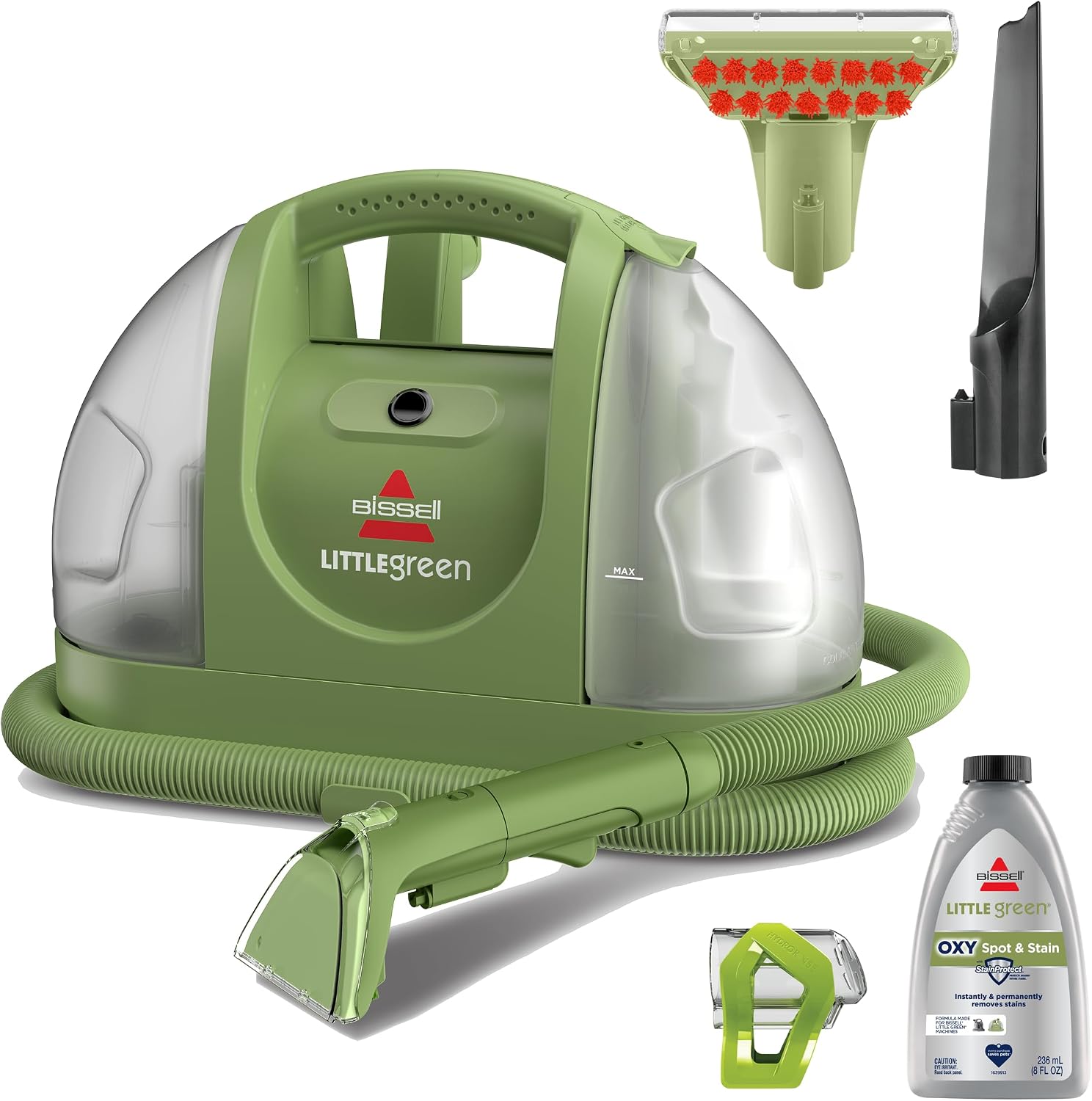
Pay close attention to the brush rolls and nozzles. Hair, threads, and carpet fibers can easily wrap around moving parts, straining the motor and reducing suction efficiency. Referencing a product like the BISSELL Little Green Multi-Purpose Portable Carpet Cleaner highlights the importance of regular filter washing and nozzle clearing. Allow all components to dry completely before reassembling the unit. Storing a wet machine in a dark, unventilated space invites bacterial growth that can compromise future cleaning sessions.
Caring for Air Purifiers
Air purifiers work silently in the background, which often leads to neglect. However, their ability to remove dust, pollen, and pet dander relies entirely on a clean, unobstructed filtration system. The most common mistake owners make is waiting too long to replace or clean the filters. A clogged filter forces the motor to work harder, reducing airflow and increasing energy consumption while diminishing the purifier's overall effectiveness.
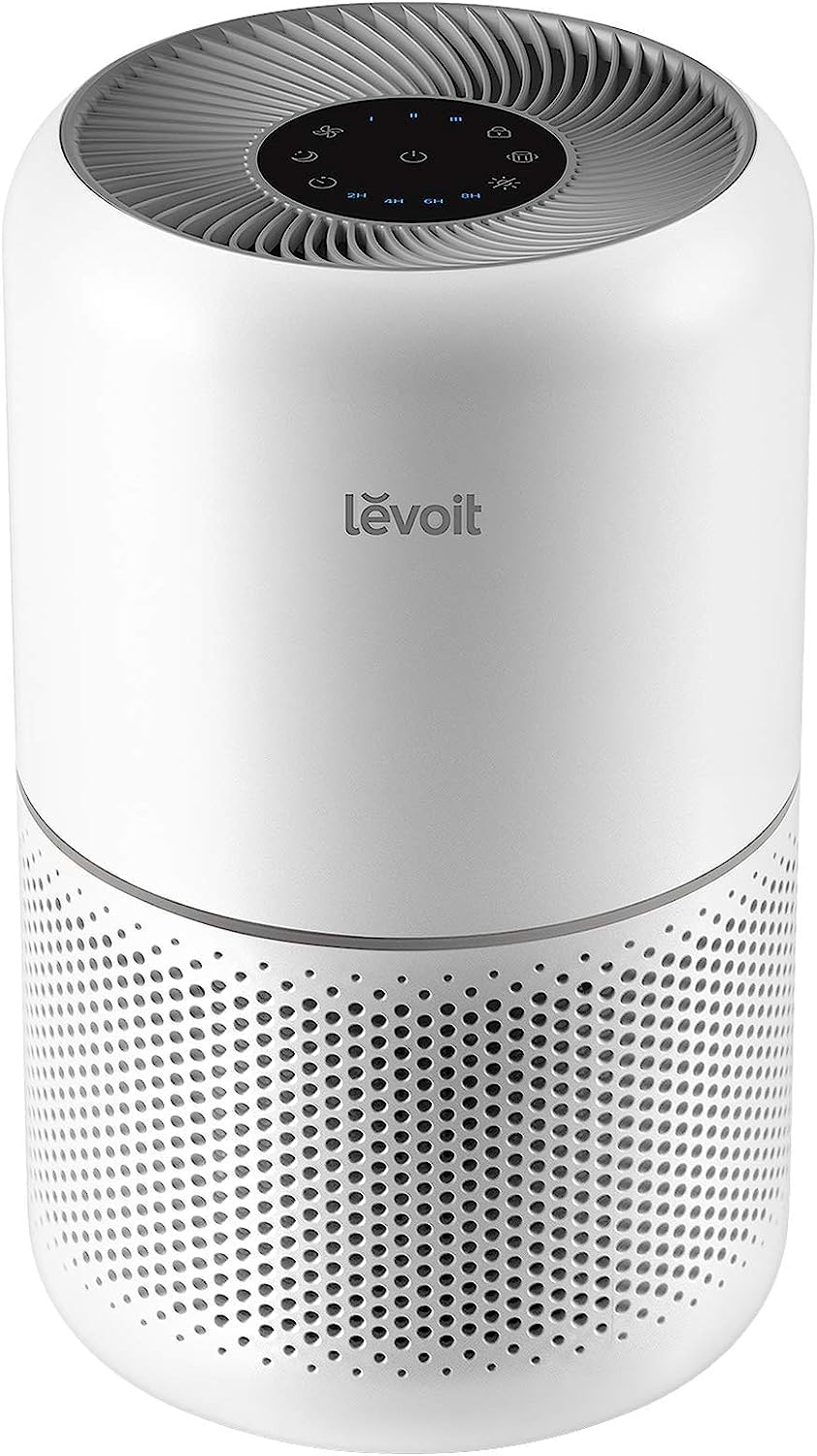
Pre-filters, which capture larger particles, are usually washable and should be cleaned regularly to extend the life of the primary filter. When evaluating options such as the LEVOIT Core 300-P Air Purifier, consider how easily the front panel opens and how accessible the filters are for routine vacuuming. Always keep the area around the intake and exhaust vents clear of furniture and curtains to maintain optimal air circulation. Establishing a calendar reminder for filter checks ensures the unit continues to operate at peak performance.
Common Maintenance Mistakes to Avoid
One of the most frequent errors in appliance care is using harsh chemicals or abrasive tools during cleaning. For both carpet cleaners and air purifiers, mild soap and warm water are usually sufficient for cleaning tanks and exterior housings. Abrasives can scratch plastic surfaces, creating micro-crevices that harbor bacteria or compromise the structural integrity of the unit. Always consult the manufacturer's guidelines regarding approved cleaning agents.
Another common oversight is ignoring the power cord and internal hoses. Wrapping cords too tightly against the body of an appliance can cause internal wire breaks over time. Similarly, failing to check hoses for cracks or leaks in a portable carpet cleaner can lead to sudden drops in suction power. Inspect these components periodically, and store appliances with their cords loosely coiled to prevent unnecessary strain.
Matching Use-Case Fit with Maintenance Demands
Your living situation should dictate the level of maintenance you are willing to perform. A household with multiple pets and high foot traffic will require more frequent cleaning of both carpet cleaners and air purifiers. In these environments, emptying dirty water tanks after every use and vacuuming pre-filters weekly becomes a necessity rather than a suggestion. Consider whether you have the time and discipline to maintain appliances that see heavy, daily use.
Conversely, smaller apartments or homes with minimal foot traffic may demand less rigorous upkeep. However, even in low-use scenarios, appliances should not sit idle for months without proper preparation. If you plan to store a portable carpet cleaner for an extended period, ensure it is completely dry and free of any cleaning solution. Air purifiers, even in clean environments, should be run periodically to keep the motor functioning smoothly and to prevent dust from settling inside the mechanism.
Questions to Ask Before Committing
Before purchasing any home essential, ask yourself how the maintenance requirements align with your lifestyle. Are replacement filters or cleaning solutions easy to find locally or online? Does the appliance require specialized tools to disassemble for cleaning, or can it be maintained with basic household items? Understanding the answers to these questions prevents frustration down the line.
Additionally, consider the physical footprint of the appliance when it is not in use. Portable cleaners and purifiers need proper storage space that allows for ventilation. Storing an appliance in a cramped, damp closet can undo the cleaning you just performed. Evaluate your available storage and ensure you have a dry, accessible spot for the appliance to rest between uses. Always confirm specific storage recommendations and available accessories with the retailer before making your final decision.
Frequently asked questions
How often should I clean the tanks of my portable carpet cleaner?
You should empty and rinse the dirty water tank after every single use. Leaving dirty water in the tank can cause mold, mildew, and permanent odors that are difficult to remove. Always let the tank dry completely before reattaching it to the machine for storage.
Can I use generic cleaning solutions in my carpet cleaner?
It is generally recommended to use the cleaning solutions specified by the manufacturer to avoid damaging internal components or voiding any warranties. Some generic solutions may produce excessive foam or leave residues that clog the machine. Always check your user manual or consult the retailer for approved alternatives before switching products.
How do I know when to replace the filter in my air purifier?
Most manufacturers provide a general timeline for filter replacement, but actual frequency depends on your indoor air quality and how often the unit runs. Signs that a filter needs replacing include a noticeable decrease in airflow, persistent odors, or visible discoloration on the filter itself. Many modern units also feature indicator lights that signal when a change is necessary.
Is it better to leave my air purifier running all the time?
Running an air purifier continuously is generally fine and often recommended for maintaining consistent air quality, provided the filter is clean. However, if the unit is in a low-traffic room, running it on a lower setting or utilizing a timer can reduce wear on the motor. Always ensure the intake and exhaust vents remain unobstructed regardless of the operating schedule.