Why Winter Demands Different Home Gear
Winter changes how you live inside your home. Windows stay closed for months, indoor air recirculates continuously, and tracked-in slush, salt, and moisture create cleaning challenges that simply do not exist in warmer seasons. The gear you reach for in July is often not the right tool for January. Rather than chasing trending products, it helps to step back and think about what your household actually faces during the colder months. A practical approach means auditing your home's specific pain points first. If you have pets, muddy boots coming through a garage entry, or someone with seasonal respiratory sensitivity, your priorities will look different from a household that mainly struggles with dry, stale air. Match the tool to the problem, not the other way around.
Evaluating Portable Carpet Cleaners
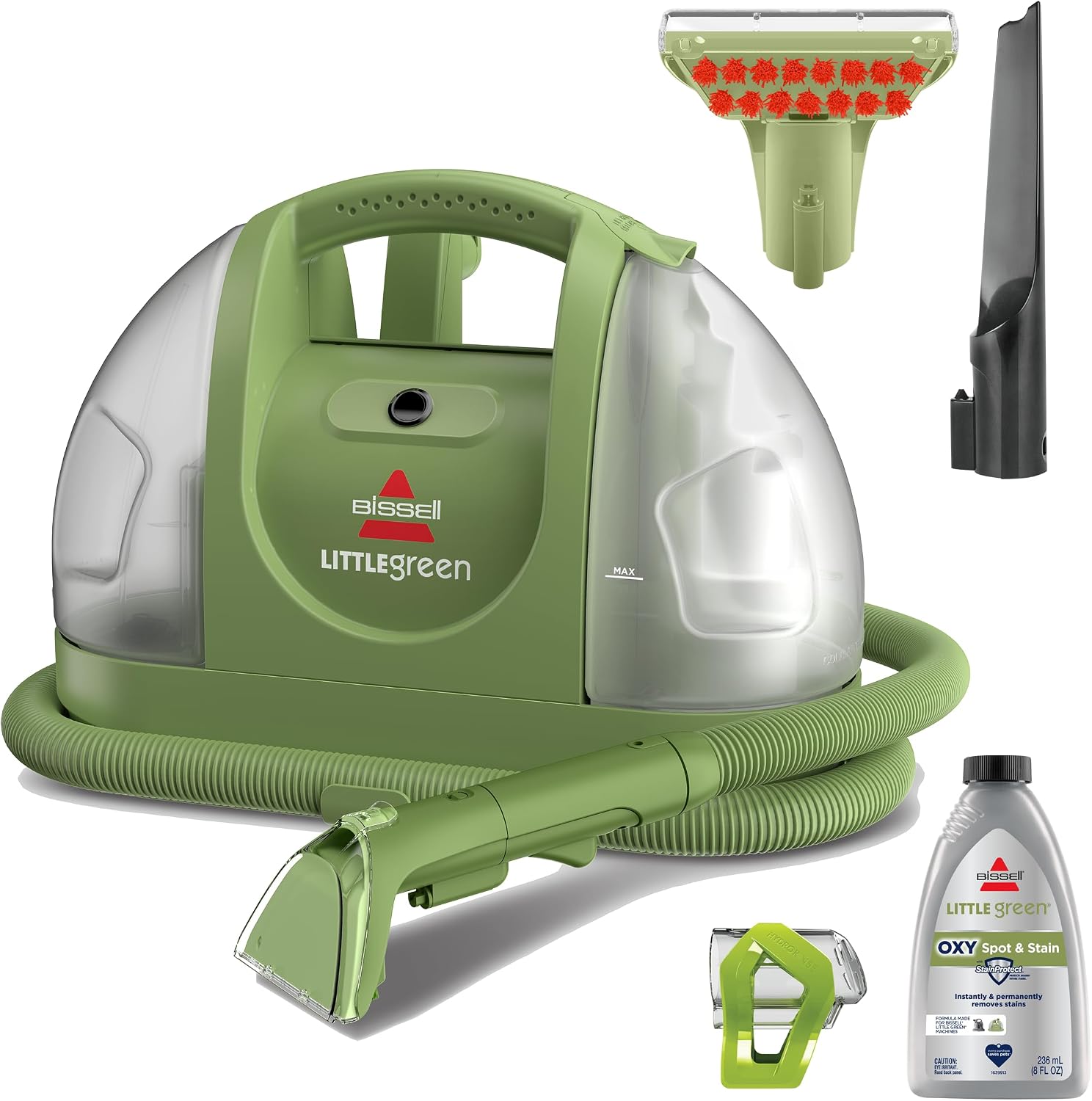
Portable carpet cleaners are one of the most misunderstood categories in home care. Many people assume a compact unit can replace a full-size extractor, but that expectation leads to disappointment. These devices are designed for spot cleaning and small-area maintenance, not whole-room deep cleans. Think of them as a first-response tool for spills, pet accidents, and entryway slush stains before they set permanently into fibers. When evaluating a unit like the BISSELL Little Green Multi-Purpose Portable Carpet Cleaner, consider how and where you will store it, whether the tank capacity suits your typical mess size, and how easy it is to clean the machine itself after use. A unit that is difficult to rinse out will discourage you from using it, which defeats the purpose entirely. Also think about cord length relative to the rooms where you expect to use it most. If your entryway lacks a nearby outlet, a long cord matters more than suction power. Pay attention to whether the unit includes attachments for upholstery or stairs, since winter messes are not limited to flat carpet. Before purchasing, ask yourself how often you realistically encounter spot-level messes and whether you have the storage space for a dedicated appliance.
Common Mistakes With Spot Cleaners
The most frequent mistake is overestimating what a portable cleaner can handle. Pushing it beyond its design intent, such as attempting to clean an entire area rug or treating deeply set stains that have been ignored for weeks, leads to frustration and often poor results. Another common error is using the wrong cleaning solution. Not all detergents are compatible with all machines, and using excessive soap can leave residue that actually attracts more dirt over the following weeks. Always check manufacturer guidelines on solution compatibility and follow dilution instructions carefully. A third mistake is neglecting maintenance of the machine itself. Tanks, hoses, and nozzles need to be rinsed and dried thoroughly after each use. In winter, when homes are often closed up and humidity levels fluctuate, any residual moisture left in a cleaning machine can develop odors quickly. Make sure you are committed to the upkeep before bringing one home. Finally, consider whether you actually need a powered cleaner at all. For some households, a high-quality spray bottle and absorbent cloths handle most winter spot messes adequately, making a powered unit an unnecessary addition to a crowded utility closet.
Understanding Air Purifiers For Closed-Window Season
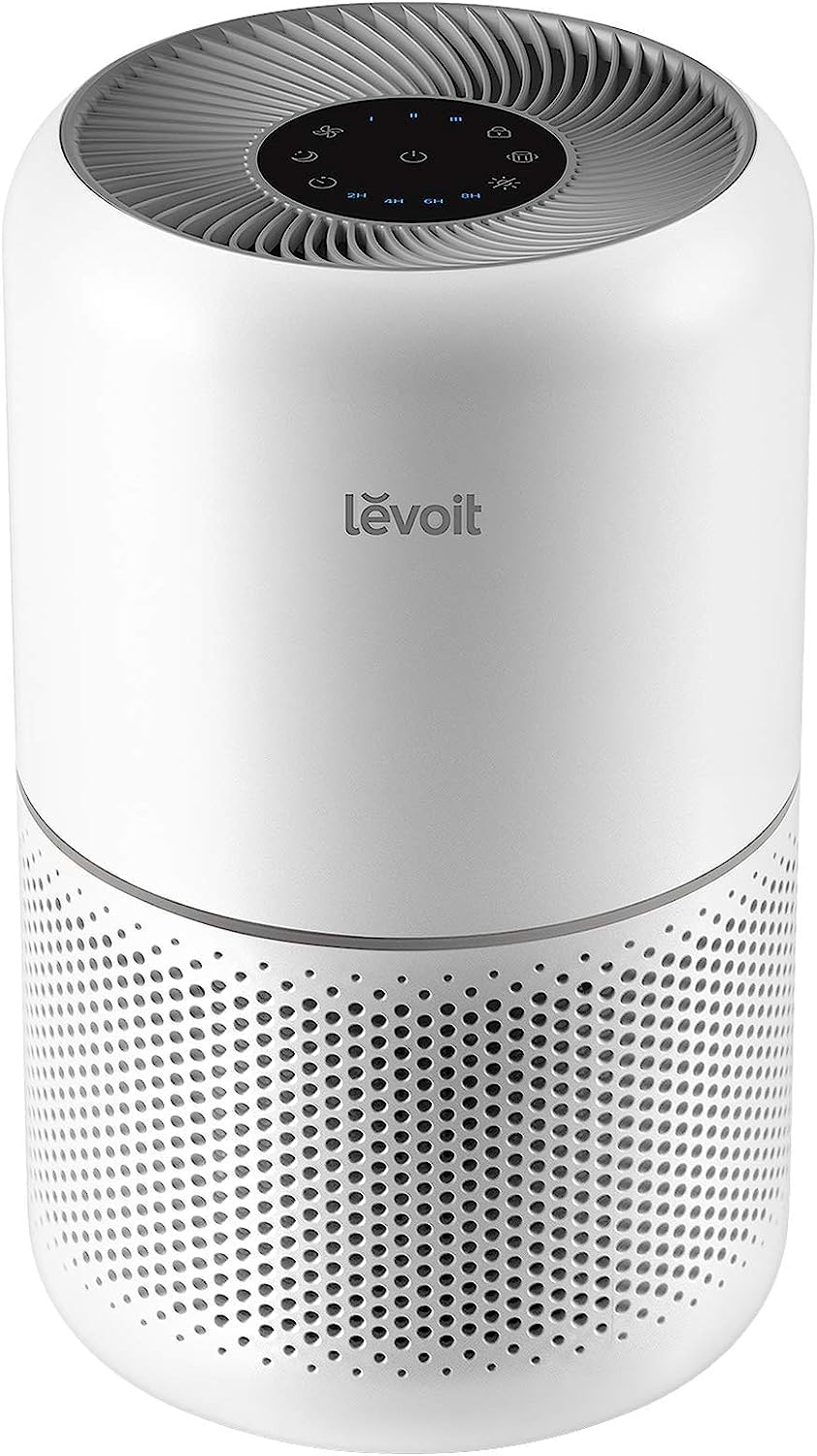
When windows stay shut for weeks at a time, indoor air quality can degrade significantly. Cooking residues, pet dander, dust, and even emissions from heating systems accumulate in a sealed living space. An air purifier can be a meaningful addition, but only if you choose one that fits your room size and specific concerns. The key is matching the unit's coverage area to the room where it will actually run. A unit that is too small for the space will run constantly without meaningfully improving air quality, while an oversized unit in a small room wastes energy and creates unnecessary noise. When looking at options like the LEVOIT Core 300-P Air Purifier, think about where it will live in your home. A bedroom unit needs to be quiet enough for sleep. A unit placed in a living room near a kitchen may need to handle cooking particles and odors, which means filter type matters. Look for true HEPA filtration if allergens or fine particles are a concern, and consider whether a carbon filter layer is important for odor control. Check filter replacement frequency and cost before committing, since ongoing maintenance is part of owning an air purifier. Verify current filter availability and replacement timelines with the retailer before purchasing.
Avoiding Air Purifier Pitfalls
One of the biggest mistakes with air purifiers is placement. Placing a unit in a corner behind furniture severely limits airflow and reduces effectiveness dramatically. These devices need open space around them to pull in and circulate air properly. Another frequent issue is ignoring filter replacement schedules. A clogged or saturated filter does not just stop working, it can begin to release trapped particles back into the room or strain the motor. Set a calendar reminder based on manufacturer guidelines and your actual usage patterns. Noise is another overlooked factor. A purifier that sounds fine on a showroom floor may become maddening at midnight in a quiet bedroom. Look for models with multiple fan speeds and a sleep mode, and read user feedback specifically about nighttime operation. Finally, be realistic about expectations. An air purifier will not eliminate all dust or solve structural humidity problems. It is one component of indoor air management, not a complete solution. If your home has underlying ventilation issues or moisture problems, address those first before investing in purification.
Questions To Ask Before Buying Either
Before adding any winter home essential to your cart, run through a short set of practical questions. Do you have a clear, recurring use case for this item, or is this a reactive purchase driven by a single incident? Where will it be stored, and is that location convenient enough that you will actually retrieve and use the item? Do you have a maintenance plan, including filter or solution replacement, cleaning the unit, and keeping parts organized? Is there a learning curve, and are you willing to invest the time to use the product correctly? For cleaning appliances, consider whether your flooring and furniture materials are compatible with the machine. For air purifiers, measure your room and compare it to the unit's stated coverage area. In both cases, confirm details like warranty terms, return policies, and current availability with the retailer before finalizing your purchase. A few minutes of verification can prevent a product from becoming clutter.
Building A Winter Home Kit Without Overbuying
It is easy to accumulate gadgets during winter when indoor discomfort makes every problem feel urgent. The disciplined approach is to identify the two or three issues that genuinely disrupt your daily comfort and focus your resources there. If stale air and spot stains are your main concerns, a well-matched air purifier and a portable carpet cleaner may be exactly what you need. If your primary issue is dryness, a humidifier might come first. If drafts and cold floors are the problem, those are structural or insulation issues that no appliance will fully solve. Resist the urge to buy everything at once. Start with the item that addresses your most frequent frustration, use it for several weeks, and reassess. You may find that one well-chosen tool resolves more of your discomfort than you expected, making additional purchases unnecessary. Winter home comfort is less about accumulating gear and more about choosing the right tool for the specific conditions your home faces each year.
Frequently asked questions
How do I know if a portable carpet cleaner is worth it for my home?
If you regularly deal with spot messes from pets, children, or winter slush tracked through entryways, a portable cleaner can be a practical tool. If messes are rare or you already have a full-size extractor, a portable unit may be redundant. Consider your storage space and willingness to maintain the machine after each use before deciding.
Can a portable carpet cleaner handle old, set-in stains?
Portable cleaners are designed for fresh spot messes and surface-level cleaning. Deeply set stains that have been in carpet for weeks or months typically require professional-grade extraction or replacement of the carpet. Managing expectations about what a compact unit can achieve helps avoid disappointment.
What size air purifier do I need for winter use?
Match the purifier's coverage area to the room where it will run. A bedroom needs a unit that is quiet and appropriately sized for that square footage. A living room or open kitchen area may require a larger unit or one with stronger circulation. Always verify the manufacturer's stated room coverage and compare it to your actual room dimensions.
Do air purifiers help with winter dryness or humidity issues?
Air purifiers address airborne particles and odors, not humidity levels. If your winter air is excessively dry, a humidifier is the appropriate tool. An air purifier can complement a humidifier by keeping the air clean, but it will not add moisture or resolve condensation problems.
Should I buy both a carpet cleaner and an air purifier at the same time?
It depends on your priorities. If both stale indoor air and frequent spot messes are ongoing problems, both may be useful. However, starting with whichever issue causes the most daily frustration lets you evaluate whether one tool resolves enough of your discomfort before adding another appliance to your home.