Understanding Your Listening Environment
Before diving into product comparisons, take a step back and map out where and how you actually listen. A commute on a noisy train demands different performance characteristics than a quiet home office or a bustling open-plan workplace. Write down the specific environments where you expect to use your headphones most frequently. This simple exercise grounds your search in practical reality rather than marketing claims.
Consider the duration of your typical listening sessions, too. Someone wearing headphones for a quick podcast on a short walk has vastly different comfort needs than someone wearing them for an entire workday. Environmental awareness also matters; if you walk or jog outdoors, you need to consider how effectively a headphone can let in ambient sound when needed. The goal is to match the headphone’s core strengths to your actual daily routine, not an idealized version of it.
Evaluating Active Noise Cancellation
Active noise cancellation, or ANC, uses microphones to pick up external sounds and then generates an opposing sound wave to suppress that noise. It works best on low-frequency, consistent sounds like airplane engines or air conditioning hum. It is less effective against sudden, sharp noises or human voices. When evaluating options, look for headphones that offer adjustable cancellation levels so you can adapt to changing environments.
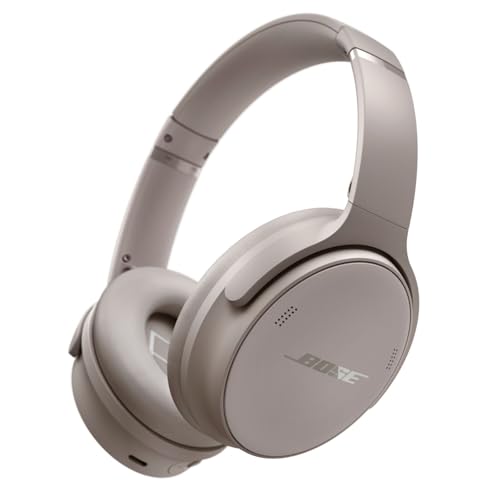
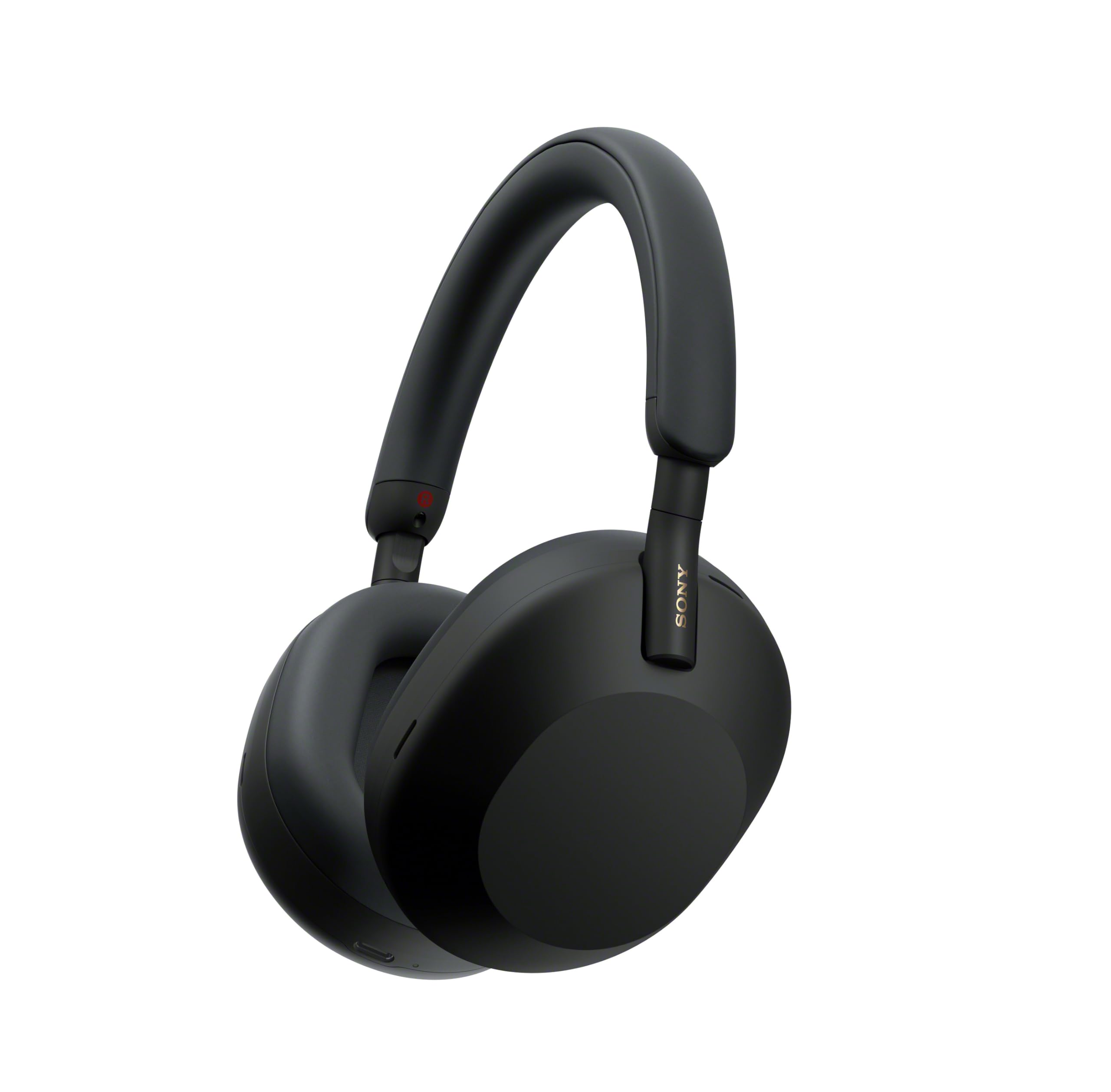
Products like the Sony WH-1000XM5 Wireless Noise-Canceling Headphones, Black and the Bose QuietComfort Wireless Noise-Canceling Headphones, Black represent the kind of mature ANC technology that handles varied environments well. However, the best way to assess ANC is to think about your specific pain points. If you primarily need to block office chatter, ANC alone may not suffice, and you might rely more on the physical seal of the ear cushions. If you fly frequently, strong low-frequency cancellation should be your priority.
Sound Signature and Personal Preference
Audio quality is highly subjective, and the “best” sound profile depends entirely on personal preference. Some listeners prefer a neutral, flat response that reproduces audio as the creator intended. Others enjoy boosted bass for electronic or hip-hop music, while some prioritize crisp vocals and treble for podcasts and acoustic tracks. Look for headphones that either match your preferred signature out of the box or offer robust equalization apps so you can customize the sound.
A common mistake is assuming that higher cost automatically equals better sound for your specific taste. A premium headphone with a heavy bass response will frustrate a classical music enthusiast, while an analytical, flat headphone might feel lifeless to a pop music fan. If possible, test headphones with your own device and your most-played tracks. Pay attention to instrument separation and clarity at low volumes, not just how loud they can go.
Comfort, Weight, and Build Quality
Even the most advanced headphones become useless if they cause discomfort after thirty minutes. Weight distribution, clamping force, and ear cup material all play crucial roles in long-term comfort. Leatherette cushions often provide better passive isolation but can trap heat, while fabric-based cushions breathe better but may seal less effectively. Consider whether you wear glasses, as strong clamping force can cause pressure points behind the ears over time.
Build quality often correlates with longevity but not always with durability. Lightweight plastic can survive drops better than heavy metal if it has some flex. Examine the hinge mechanisms and headband adjustments, as these are common failure points. If you travel frequently, consider how the headphones fold and whether they come with a protective case. A rigid case adds bulk but protects against the inevitable jostling in a backpack or overhead bin.
Connectivity and Smart Features
Modern wireless headphones rely on Bluetooth, and the version and codec support affect both connection stability and audio quality. If you use an iPhone, you may not benefit from advanced codecs designed for Android devices, and vice versa. Multipoint connectivity is a feature worth prioritizing if you switch between a laptop and phone throughout the day, as it lets you connect to both simultaneously and switch sources automatically.
Smart features like voice assistant integration, wear sensors that pause playback when you remove the headphones, and touch controls can enhance daily usability. However, these features vary in reliability. Touch controls can be finicky in cold weather or with wet hands, and wear sensors sometimes trigger when you adjust the headphones. Decide which smart features genuinely fit your workflow rather than paying for technology you will disable later.
Common Pitfalls to Avoid
One frequent mistake is overvaluing noise cancellation at the expense of sound quality. Some headphones prioritize blocking external noise so aggressively that they introduce a noticeable hiss or alter the audio profile, resulting in a muffled listening experience. Balance is key; the ideal headphone cancels enough noise to create a quiet baseline without degrading the music itself.
Another pitfall is ignoring the importance of a proper fit. Over-ear headphones rely on a good seal around the ear for both bass response and passive noise isolation. If your ears do not fit entirely within the ear cups, or if the headband does not extend far enough, you will lose both sound quality and comfort. Finally, avoid assuming that replacement parts and accessories are easily available. Check whether the manufacturer offers replaceable ear pads and cables, as these components wear out long before the drivers do.
Questions to Ask Before You Buy
Start with a practical inventory of your needs. What devices will you connect to most often? Do you need wired listening as a backup for when Bluetooth is restricted on airplanes or in certain workplaces? How important is portability versus maximum ear coverage? Write down your answers to these questions before browsing options.
Consider your upgrade cycle as well. Are you replacing a worn-out pair, or is this your first premium headphone purchase? If you are upgrading, identify what disappointed you about your previous headphones and use that as a filter. If this is your first premium purchase, prioritize versatility and comfort over specialized features. Always verify current specifications, return policies, and warranty terms with the retailer before finalizing your purchase, as these details can change and directly affect your long-term satisfaction.
Frequently asked questions
How do I know if over-ear or on-ear headphones suit me better?
Over-ear headphones surround the entire ear and generally provide better noise isolation and bass response, making them ideal for long sessions and noisy environments. On-ear headphones press against the ear itself, which can cause heat buildup and discomfort over time but results in a more compact design. If you prioritize comfort during extended use, over-ear is usually the safer choice.
Does active noise cancellation drain battery faster?
Yes, using ANC consumes additional power because the headphones must continuously process external audio and generate opposing sound waves. The impact varies by model, but most modern headphones manage power efficiently enough that ANC can remain on for the majority of the listening session. If you are concerned about longevity, check the manufacturer estimates for both ANC-on and ANC-off scenarios.
Can I use wireless headphones on airplanes?
Most modern airlines permit Bluetooth headphones, but you should verify the policy with your specific carrier before traveling. Many travelers carry a wired backup or a Bluetooth transmitter that plugs into the seatback entertainment system, as some older aircraft lack built-in Bluetooth. Noise-canceling headphones are particularly valuable on flights for reducing engine hum and cabin noise.
Are expensive headphones always better than budget options?
Not necessarily. Premium headphones often offer better build quality, more advanced features, and refined sound profiles, but value depends on how well those attributes match your needs. A mid-range headphone with strong comfort and adequate noise cancellation may serve a casual listener better than a flagship model packed with features they will never use. Identify your priorities first, then find the option that addresses them.
How important is the companion app for wireless headphones?
A good companion app can significantly enhance the experience by allowing you to adjust equalization settings, customize noise cancellation levels, and update firmware. Some users rely heavily on these features, while others prefer a set-and-forget approach. If you enjoy fine-tuning your audio or want access to adaptive noise cancellation modes, an intuitive app adds real value.