Start With Your Actual Routine
Everyday electronics work best when they slot seamlessly into your existing habits rather than demanding you build new ones around a device. Before looking at any specific product, write down what you actually do during a typical weekday and a typical weekend. Note when you communicate, when you navigate, when you track fitness, and when you entertain yourself. A device that aligns with those existing patterns will feel useful on day one and still feel useful a year later.
The trap many shoppers fall into is buying for an aspirational version of their life. You might be drawn to a device because it excels at something you wish you did more often, like intensive fitness tracking or professional-grade photography. If your routine does not actually include those activities, the premium features sit unused. Match the device to your real behavior, not your idealized behavior, and you will avoid paying for capabilities that go to waste.
Separate Must-Have Features From Nice-to-Haves
Once you understand your routine, sort features into two columns: things you will use weekly and things that sound appealing but are not essential. This exercise sounds simple, but it forces honesty. A smartwatch that tracks sleep, delivers notifications, and handles contactless payments covers the core needs for most people. Advanced athletic metrics, cellular connectivity, and specialized health sensors are genuinely valuable to some users, but they are nice-to-haves for anyone who will not engage with them regularly.
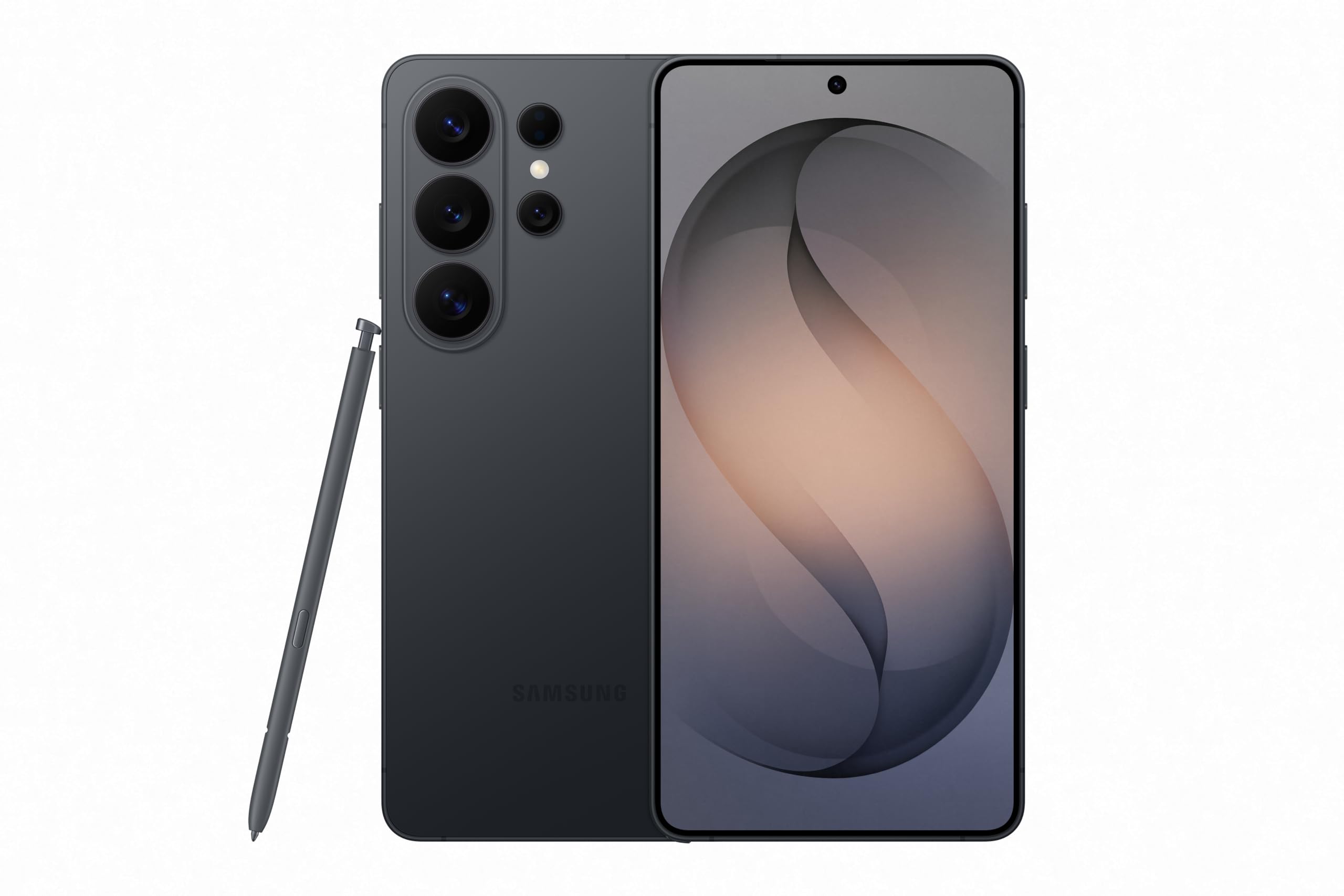
The same logic applies to smartphones. Most people need reliable communication, a competent camera, smooth everyday performance, and sufficient storage for their apps and media. Beyond that, features like stylus support, extreme telephoto lenses, and desktop-mode capabilities serve specific niches well but add complexity and cost for everyone else. When you encounter a feature that excites you, ask whether you would use it at least once a week. If the honest answer is no, treat it as a bonus rather than a deciding factor.
Think About Ecosystem and Long-Term Compatibility
Everyday electronics rarely exist in isolation. A smartwatch often needs to pair with a phone, and both may interact with earbuds, tablets, or laptops. Compatibility between devices matters for practical reasons like syncing data, sharing accessories, and receiving consistent notifications. A watch designed primarily for one operating system may deliver a diminished experience when paired with a phone running a different one, so verify cross-platform behavior before committing.
Ecosystem lock-in also affects your future choices. Once you invest heavily in one platform, switching later means relearning interfaces, repurchasing apps, and sometimes abandoning accessories. This does not mean you should fear ecosystems, but you should enter them with open eyes. If you already own devices from a particular brand, staying within that family usually delivers the smoothest integration. If you are starting fresh or considering a switch, weigh the transition costs alongside the benefits.
Evaluate Build Quality and Expected Lifespan
Everyday electronics live in pockets, bags, and hands, which means they face drops, bumps, moisture, and dust. Build quality directly affects how long a device remains pleasant to use and how well it survives normal wear. Materials like aluminum and glass feel premium and tend to age well cosmetically, while plastics may scratch more visibly over time. Water and dust resistance ratings give you a sense of how much abuse a device can tolerate, though no rating guarantees invulnerability.
Lifespan also depends on software support. A well-built device becomes frustrating if it stops receiving security updates or app compatibility after a short period. Check the manufacturer's track record for supporting older devices with meaningful updates. Some brands commit to multiple years of platform updates, which extends the useful life of a device considerably. A phone or watch that remains secure and compatible for years represents better long-term value than one that feels obsolete after eighteen months, even if the initial experience is similar.
Consider How the Device Fits Your Body and Style
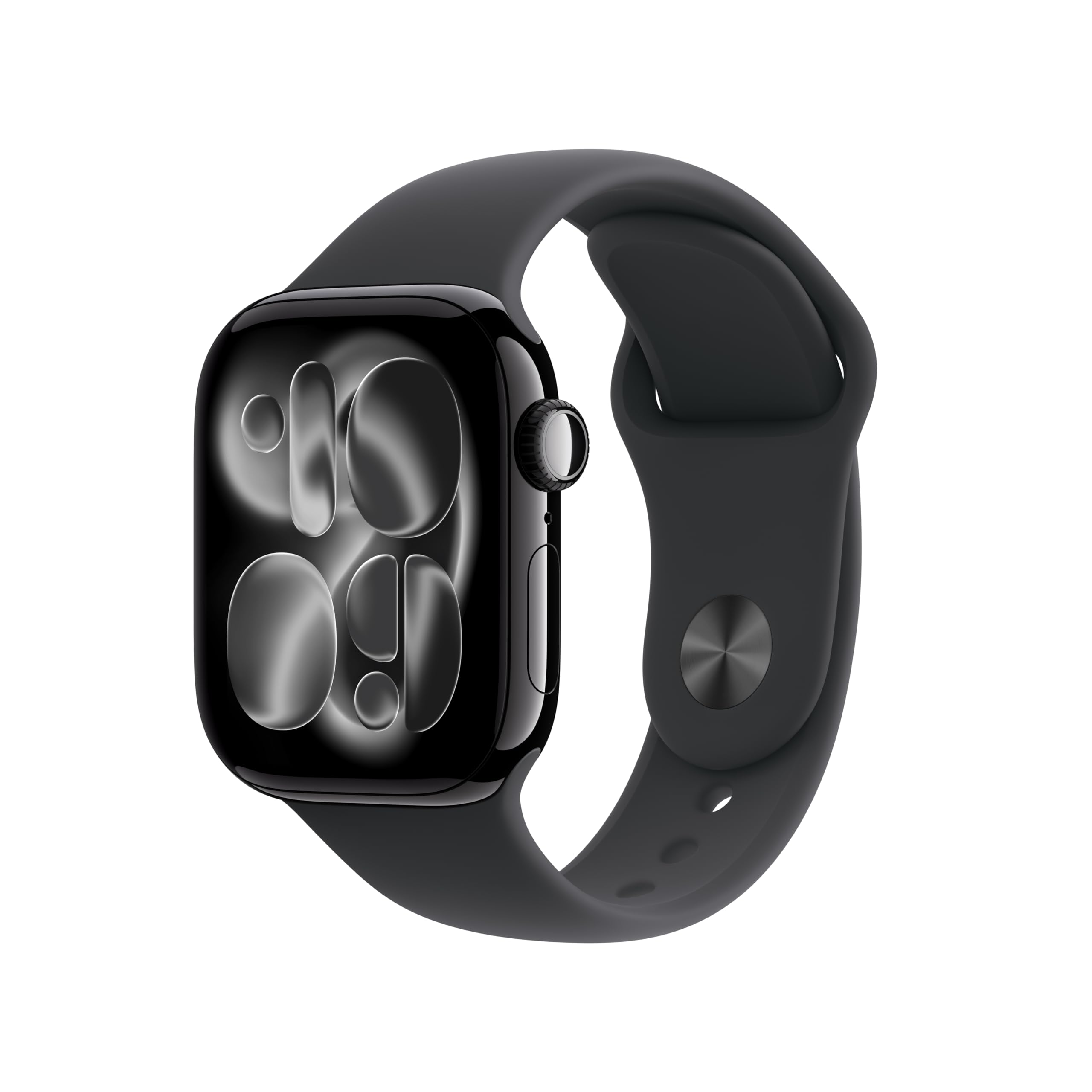
Wearable electronics interact with your body constantly, so physical comfort matters as much as performance. A watch that is too heavy or too large becomes annoying during sleep tracking, exercise, or typing. Band material affects skin comfort, especially during workouts or in hot weather. If possible, try wearable devices on your wrist before buying, or at minimum check return policies so you can exchange if the fit is wrong. The Apple Watch Series 11 GPS and similar devices come in multiple sizes and band options precisely because one size does not fit all wrists comfortably.
For phones, consider how the device feels in your hand and whether you can comfortably reach across the screen with your thumb. Large phones excel for media and productivity but can be awkward for one-handed use. Cases add bulk, so factor that into your sense of whether a phone will feel manageable day to day. A device that is slightly too large or slightly too heavy becomes a low-grade annoyance every time you pick it up, and that compounds over months of use.
Common Mistakes and How to Avoid Them
The most frequent mistake is overbuying. Shoppers see a device with impressive specifications and assume those numbers translate to a better everyday experience. Often they do not. A processor that benchmarks faster will not feel different during typical tasks like messaging, browsing, or navigation. Extra storage that you will never fill adds cost without adding utility. The Samsung Galaxy S26 Ultra and comparable flagship phones showcase impressive capabilities, but those capabilities only matter if they align with how you use the device.
Another common error is ignoring the learning curve. Switching between major platforms means relearning gestures, settings, and default apps. Some people enjoy that process, but others find it frustrating enough to regret the switch. If you are contemplating a platform change, spend time with a friend's device or visit a store to test the interface before committing. A final mistake is neglecting to verify current details with the retailer. Specifications and availability change, so confirm exactly what is included and what the return window allows before completing your purchase.
Questions to Ask Before You Buy
Run through a short checklist before finalizing any everyday electronics purchase. Which features will I use at least weekly? Does this device integrate smoothly with what I already own? How long will the manufacturer support it with updates? Is the physical size and weight comfortable for extended use? What is the return policy if the device does not fit my needs after a week of real use? Honest answers to these questions will steer you toward a purchase you remain happy with rather than one you regret.
Finally, remember that the best device for someone else may not be the best device for you. Reviews and comparisons provide useful context, but they cannot account for your specific habits, preferences, and constraints. Use external opinions to narrow your options, then make the final call based on how well each remaining option matches your actual life. Taking that extra step is what separates a satisfying purchase from an expensive disappointment.
Frequently asked questions
How do I know if I need a flagship phone or if a mid-range model is enough?
If your daily phone use centers on messaging, browsing, navigation, casual photos, and streaming, a mid-range model will handle those tasks well. Flagship phones justify their premium when you rely heavily on advanced photography, intensive gaming, or productivity features. Be honest about which category you fall into.
Is a smartwatch worth it if I already have a phone that tracks fitness?
A smartwatch adds value through glanceable notifications, continuous health monitoring, and convenience during workouts when pulling out a phone is impractical. If those scenarios are part of your routine, a watch complements your phone meaningfully. If you rarely check notifications and do not care about wrist-based tracking, your phone is sufficient.
How much does ecosystem compatibility actually matter?
It matters most for wearables and accessories that rely on a companion phone. A smartwatch designed for the same platform as your phone generally delivers smoother pairing, richer notifications, and more reliable syncing. Cross-platform use is sometimes possible but often comes with feature limitations you should understand before buying.
Should I prioritize storage capacity when choosing a phone?
Storage matters if you keep large media libraries, record high-resolution video, or install many substantial apps. If you stream most of your media and rely on cloud storage for photos, you can comfortably use a phone with moderate internal storage. Assess your actual habits rather than buying maximum capacity out of caution.
What is the most reliable way to confirm a device will suit me before buying?
Try it in person at a retail store, paying attention to size, weight, interface responsiveness, and comfort. If that is not possible, buy from a retailer with a clear return policy and test the device thoroughly during the return window. Verify current specifications and included accessories with the retailer before completing the purchase.