Start With Your Actual Routine
Before adding anything to your home, take a week to observe where friction actually occurs. Home essentials earn their place by solving a recurring problem, not by sitting unused in a closet. Track the messes that frustrate you most, the air quality concerns that bother you seasonally, and the tasks you postpone because you lack the right tool. This simple audit prevents impulse purchases that look helpful in theory but fail in practice.
Once you have a clear picture, rank your pain points by frequency and severity. A daily inconvenience deserves priority over a seasonal one. If pet accidents or spilled drinks happen weekly, a portable carpet cleaner addresses a constant frustration. If allergies flare during certain months, an air purifier serves a targeted need. Matching the tool to the frequency of the problem ensures your investment gets regular use rather than gathering dust.
Match the Tool to the Mess
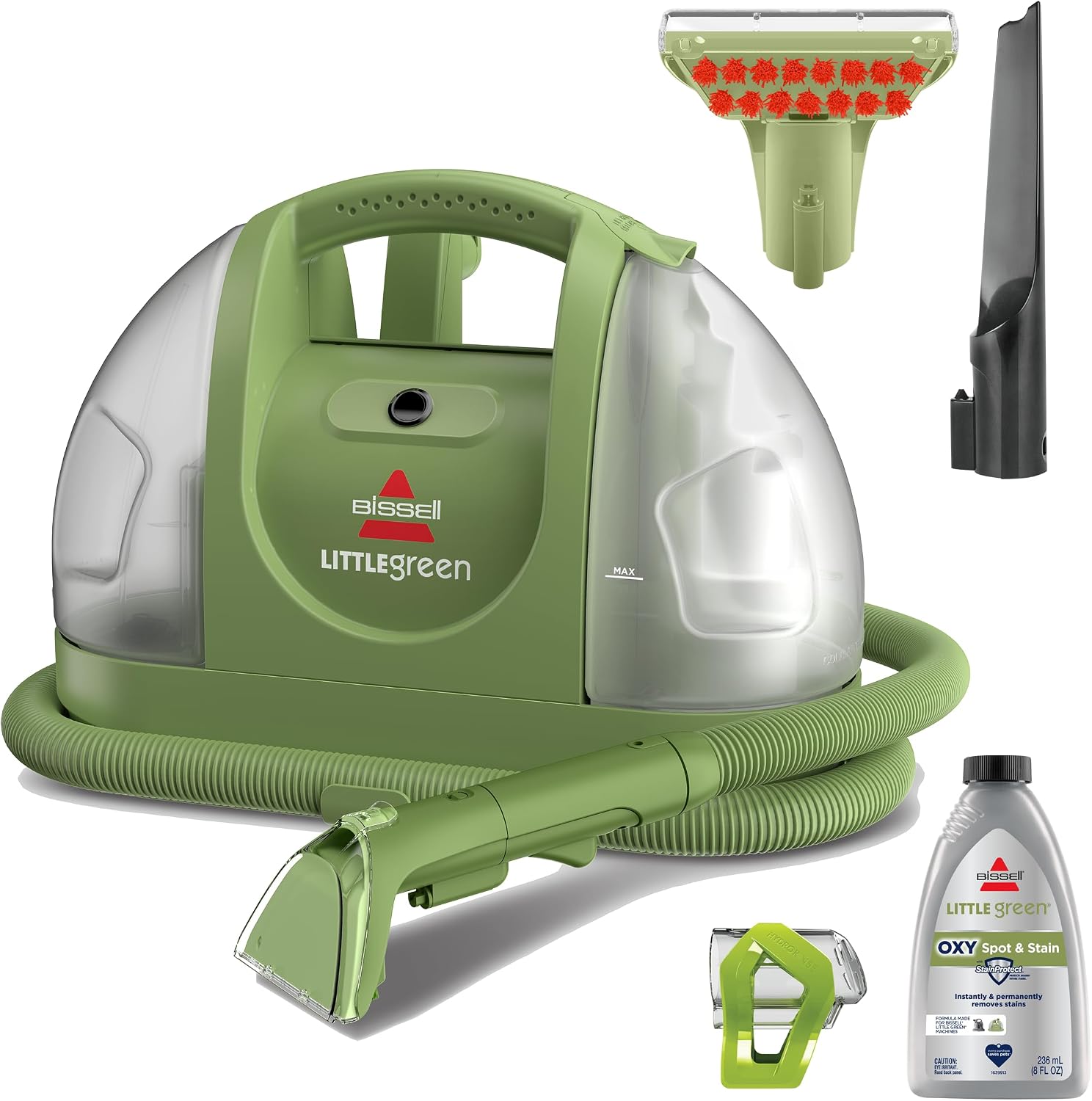
Surface type matters more than people expect. A portable carpet cleaner like the BISSELL Little Green Multi-Purpose Portable Carpet Cleaner works well on upholstery, stairs, and auto interiors, but it is not a replacement for a full-size extractor on wall-to-wall carpeting. Understand the distinction between spot cleaning and deep cleaning before committing. Spot cleaners excel at targeted stains; they are not designed to refresh an entire room.
Consider the logistics of each use case as well. Portable cleaners require emptying, rinsing, and drying between uses. If you anticipate frequent small messes, that maintenance routine becomes part of your life. Think honestly about whether you will follow through with proper cleaning and storage, because a poorly maintained tool creates odors and reduces effectiveness over time. The same principle applies to air purifiers, which rely on consistent filter replacement to function properly.
Room Size and Placement Reality
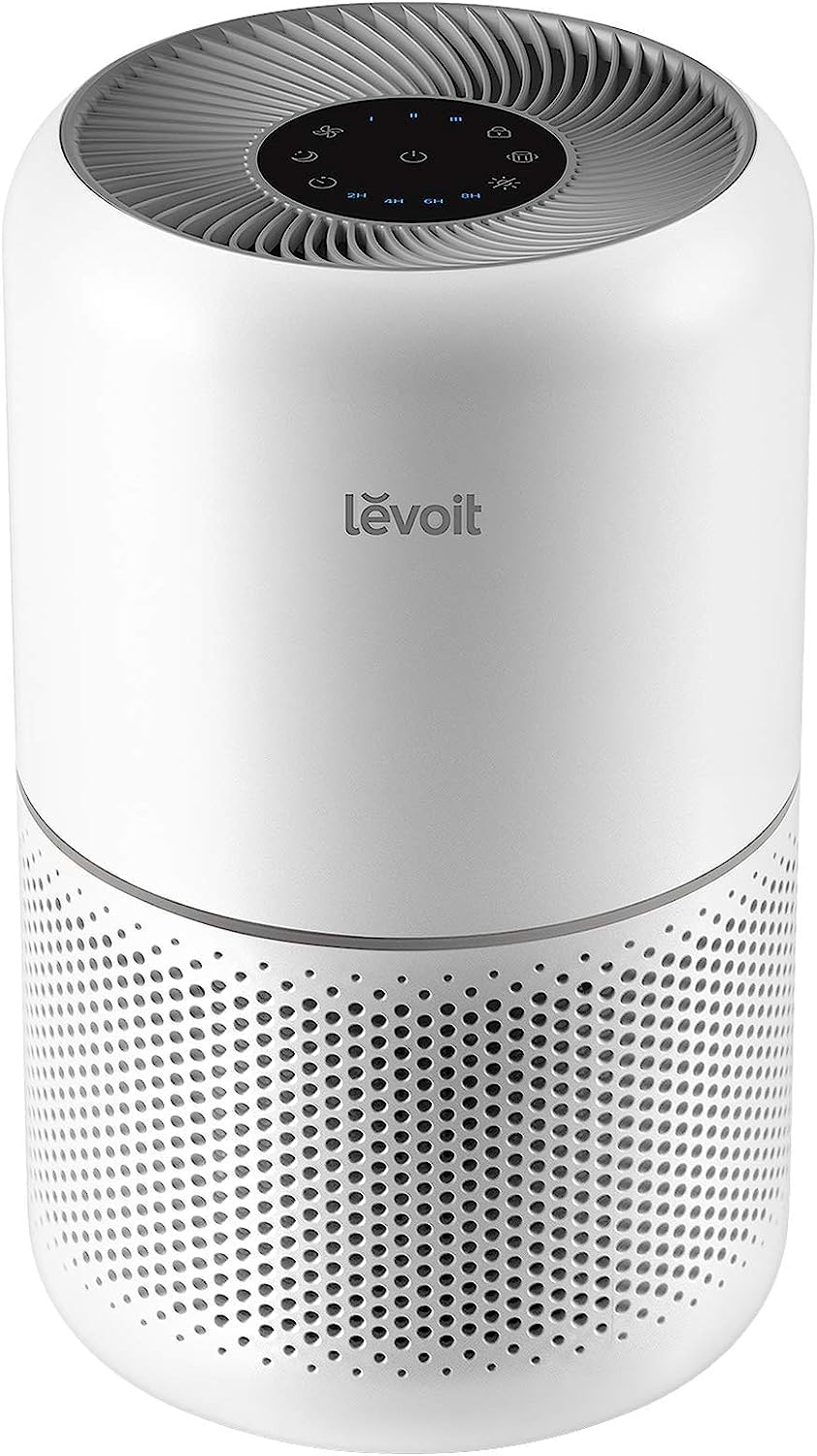
Air purifiers are only effective if matched to the room where they actually run. A compact unit like the LEVOIT Core 300-P Air Purifier suits smaller spaces, but placing it in an open-concept living area reduces its impact significantly. Measure your room and compare it against the purifier coverage area before deciding. An undersized purifier running constantly still cannot cycle enough air to make a noticeable difference in a large space.
Placement also determines performance. Air purifiers need unobstructed airflow, so shoving one behind a couch or into a tight corner defeats the purpose. Similarly, portable carpet cleaners need storage space and accessible power outlets. Before purchasing either type of product, identify where it will live when not in use and whether that location is convenient enough that you will actually retrieve the tool when needed.
Maintenance Commitment and Ongoing Costs
Every home essential carries a maintenance burden. Carpet cleaners need their tanks emptied, hoses flushed, and brushes cleaned after each use. Neglecting this step leads to mold growth inside the machine and unpleasant odors the next time you turn it on. Air purifiers require regular filter replacements to maintain effectiveness, and skipping that step means the unit moves air without actually cleaning it.
Factor the ongoing effort into your decision. If you know you will not stay on top of filter changes or thorough machine cleaning, reconsider whether the product fits your habits. The best tool is one you will maintain properly. Read the manufacturer care instructions before purchasing so you understand exactly what upkeep is required and can decide whether that level of commitment matches your lifestyle.
Common Mistakes to Avoid
The most frequent mistake is buying for a hypothetical future rather than your current reality. If you do not have pets, a portable carpet cleaner may sit idle for months. If your allergies are mild and seasonal, a dedicated air purifier might be overkill when simple window ventilation suffices. Purchase for the life you have now, not the life you imagine.
Another common error is ignoring noise levels. Portable carpet cleaners and air purifiers both generate sound during operation. If you plan to run an air purifier in a bedroom, a noisy unit disrupts sleep. If you need a carpet cleaner for late-night spills, a loud machine wakes the household. Check operating noise information and think about when and where you will use the product. Finally, always verify current specifications, availability, and pricing with the retailer before purchasing, as product details can change.
Questions to Ask Before You Buy
Run through a quick checklist before committing. How often will I realistically use this? Where will I store it? What maintenance does it require, and am I willing to perform it consistently? Does the product fit the space I intend to use it in? Have I checked that replacement parts or filters are easy to obtain?
Ask whether a simpler solution exists first. Sometimes opening a window improves air quality enough that a purifier becomes unnecessary. Sometimes a basic cloth and mild soap handle a spill better than a powered cleaner. Home essentials should reduce your workload, not add complexity. If a product passes all these questions and still makes sense, it is likely a worthwhile addition to your home.
Frequently asked questions
How do I know if a portable carpet cleaner is worth getting instead of a full-size model?
If you primarily deal with small spills, pet accidents, or spot stains on upholstery and stairs, a portable model is usually the more practical choice. Full-size extractors make sense for whole-room cleaning or large wall-to-wall carpeted areas. Consider how often you deep clean versus how often you need quick spot treatment.
Can one air purifier handle my entire home?
Typically no. Most air purifiers are rated for a specific room size, and their effectiveness drops significantly in larger or open spaces. For whole-home air quality, you generally need multiple units placed in different rooms or a whole-house system integrated with your HVAC. Match the purifier capacity to the room where you spend the most time.
How often should I replace air purifier filters?
Replacement frequency depends on usage, room conditions, and the specific model. Homes with pets, smokers, or high dust levels require more frequent changes. Check the manufacturer guidelines for the recommended schedule and watch for reduced airflow or odors, which signal that a replacement is overdue.
What is the biggest overlooked factor when buying home essentials?
Maintenance commitment is the most commonly ignored factor. Many buyers focus on features and performance but underestimate the regular upkeep required to keep a product functioning properly. Before purchasing, read the care instructions and honestly assess whether you will follow through with the required cleaning and filter or part replacements.