Comfort and Fit: The Factor Most People Underestimate
Before comparing features, think honestly about where and how you will actually use these headphones. Noise canceling matters most in specific situations: daily commutes on public transit, open-plan offices, long-haul flights, or shared living spaces. If your primary use is quiet home listening, noise cancellation becomes less critical, and other factors like sound signature and comfort during long sessions take priority. If you travel frequently or work in a noisy environment, cancellation strength and comfort over many hours become your primary filters.
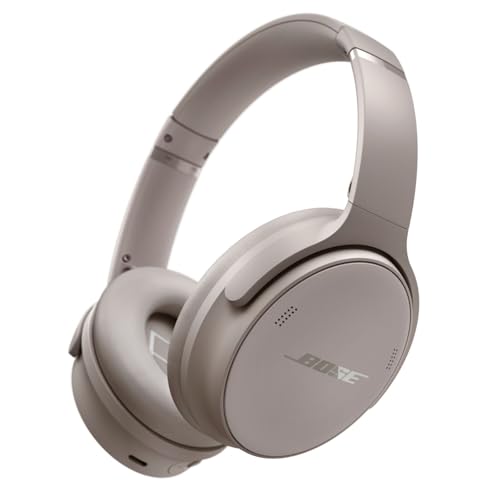
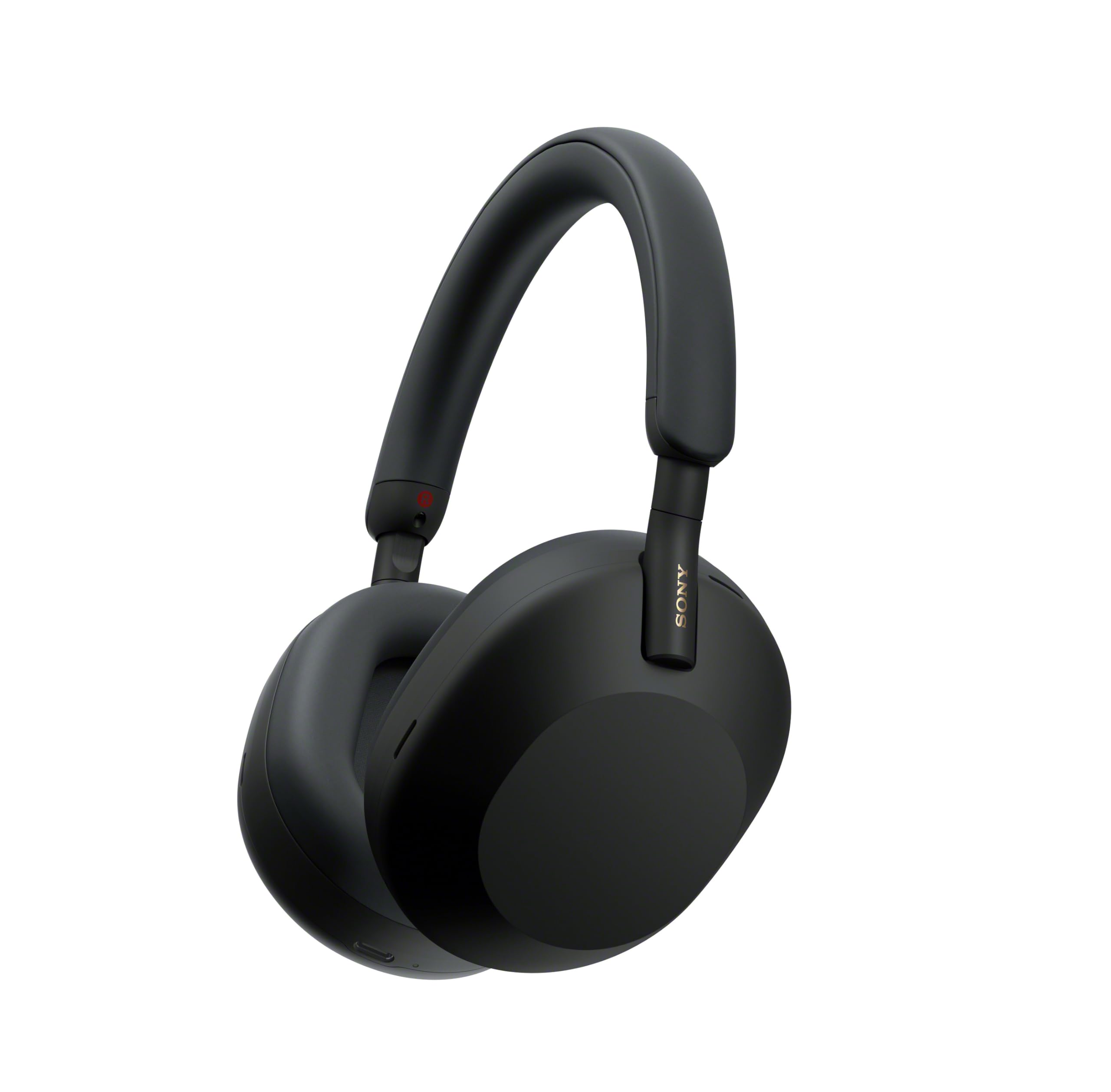
Write down your top three use scenarios and rank them by frequency. Someone who flies twice a month has different priorities than someone who wants background quiet while working from a coffee shop. The Bose QuietComfort Wireless Noise-Canceling Headphones have a long reputation for comfort during extended wear and effective cancellation in environments like airplane cabins. The Sony model is often praised for adaptive cancellation that adjusts to your surroundings. Both are strong options, but your environment determines which strengths actually matter to you.
Sound Signature: Flat, Fun, or Somewhere Between
Comfort is the most overlooked purchasing factor, yet it determines whether you will actually want to wear the headphones regularly. Headphone comfort depends on clamping force, earcup depth, earpad material, headband pressure distribution, and overall weight distribution. What feels fine in a ten-minute store demo can become uncomfortable after three hours of continuous use. If possible, try wearing a pair for an extended period before committing, or buy from a retailer with a generous return policy.
Head shape and ear size vary enormously, and what works for one reviewer may not work for you. The Bose QuietComfort Wireless Noise-Canceling Headphones are known for a lighter clamping force and a fit that accommodates a wide range of head sizes. The Sony model has a different earcup design and headband construction that some users find more secure but others find slightly tighter. Neither is universally better; the right answer depends on your head shape, whether you wear glasses, and how long your typical listening sessions last.
Noise Cancellation: Real-World Performance vs Lab Numbers
Sound preference is deeply personal. Some listeners want a neutral, accurate presentation that reproduces recordings as intended. Others prefer a more sculpted sound with emphasized bass and treble that feels exciting and energetic. Neither approach is wrong, but mismatched expectations lead to disappointment. Think about what you listen to most and how you like it to sound. Bass-heavy electronic music and hip-hop often benefit from a warmer, more dynamic presentation. Acoustic music, jazz, and classical often shine with a more balanced, detailed signature.
The Sony model offers extensive equalization options through its companion app, allowing you to tailor the sound to your preference. This flexibility is valuable if you are unsure what you like or if your taste changes depending on genre. The Bose QuietComfort Wireless Noise-Canceling Headphones tend to have a more consistent out-of-the-box sound that many find pleasant without adjustment, with some app-based tuning available. If you enjoy fine-tuning, the Sony approach may appeal more. If you want something that sounds good immediately without fiddling, the Bose may suit you better.
Ecosystem, App Experience, and Daily Usability
Active noise cancellation works by using microphones to detect external sounds and generating inverse sound waves to reduce them. Cancellation effectiveness varies by frequency: most systems are strong against low, constant sounds like engine rumble but weaker against unpredictable, higher-frequency sounds like nearby conversation. No headphone eliminates all noise completely. Understanding this helps set realistic expectations.
Both the Sony and Bose models represent the upper tier of consumer noise cancellation, and both handle common environments like airplane cabins, train cars, and office HVAC noise very effectively. The differences between them are subtle and context-dependent. The Sony model uses adaptive technology that analyzes your environment and adjusts cancellation in real time, which can be useful in variable environments. The Bose QuietComfort Wireless Noise-Canceling Headphones are known for consistently strong cancellation that many users find effective across a range of settings. Rather than chasing marginal cancellation differences, consider whether the cancellation mode options and transparency features match how you need to interact with your surroundings.
Common Mistakes and Questions to Ask Before Buying
The day-to-day experience of living with premium headphones goes well beyond sound and cancellation. Consider the companion app quality, firmware update history, Bluetooth connection reliability, multipoint pairing support, and how the headphones fold for transport. If you switch between a laptop and phone frequently, multipoint pairing saves significant hassle. If you travel, a compact folding design and a quality carrying case matter more than you might expect.
The Sony model has a companion app with extensive customization, including adaptive sound settings, equalization, and control customization. Some users find this depth rewarding; others find it overwhelming. The Bose QuietComfort Wireless Noise-Canceling Headphones offer a more streamlined app experience focused on core functions. Neither approach is universally superior. If you enjoy tinkering and want granular control, the Sony ecosystem may feel more satisfying. If you want to set things up once and not think about it again, the Bose approach may align better with your habits.
Making the Final Decision
One common mistake is over-indexing on noise cancellation strength while ignoring comfort and sound quality. The best cancellation means nothing if the headphones hurt after an hour or if you do not enjoy how your music sounds through them. Another mistake is assuming the more feature-rich option is automatically better for you. Features you never use add complexity without value. A third mistake is buying based solely on online reviews without considering your own head shape, ear sensitivity, and listening preferences.
Before purchasing, ask yourself: How long are my typical listening sessions? Do I need to hear announcements or colleagues while wearing headphones? Will I use these on public transit, flights, or mostly at home? Do I want to customize sound profiles, or do I prefer a set-and-forget experience? Do I wear glasses, which can affect seal and comfort? Is a carrying case important for my travel habits? Answering these questions honestly will guide you toward the right choice more reliably than comparing feature lists. Whatever you decide, verify current product details, return policies, and warranty terms directly with the retailer before purchasing, as product configurations and availability can change.
Frequently Asked Questions
Both the Sony and Bose models are excellent wireless noise-canceling headphones that will serve most users well. The decision comes down to which set of strengths aligns with your specific needs. If you value deep customization, adaptive features, and a tunable sound profile, the Sony model is worth strong consideration. If you prioritize consistent comfort, straightforward usability, and a pleasant sound signature without extensive adjustment, the Bose QuietComfort Wireless Noise-Canceling Headphones are a compelling choice.
Remember that the best headphones are the ones you actually use. A slightly less impressive pair that fits comfortably and sounds enjoyable to you will provide more satisfaction than a technically superior pair that sits unused because it pinches or feels complicated. Try both if you can, trust your own ears and comfort over reviews, and confirm all current details with the retailer before finalizing your purchase.
Frequently asked questions
Which is better for long flights?
Both handle airplane cabin noise well. The Bose QuietComfort Wireless Noise-Canceling Headphones are frequently praised for comfort during extended wear, which matters on long flights. The Sony model also offers strong cancellation for engine noise. Consider whether you value comfort over many hours or adaptive cancellation features more, and try to test both if possible.
Can I use these headphones with multiple devices at once?
Both models support multipoint Bluetooth pairing, allowing connection to two devices simultaneously. This is useful if you switch between a computer and phone throughout the day. Verify the current multipoint implementation details with the retailer, as firmware updates can change how this feature behaves.
Do I need the companion app to enjoy these headphones?
Both headphones work without their companion apps for basic playback and cancellation. However, the apps unlock customization features like equalization, control remapping, and firmware updates. The Sony model leans more heavily on its app for advanced features, while the Bose experience is more functional out of the box. Your preference for tinkering versus simplicity should guide this consideration.
Are these headphones suitable for phone calls and video meetings?
Both models include microphones for calls and can handle video meetings reasonably well. Call quality depends on your environment, as background noise can affect microphone clarity. Neither is specifically designed as a professional communications headset, but both perform adequately for typical work calls. Test in your actual work environment if call quality is a priority.
What if I wear glasses? Will that affect noise cancellation and comfort?
Glasses can break the seal between earpads and your head, which may reduce passive noise isolation and slightly affect cancellation effectiveness. Comfort can also be impacted by temple pieces pressing against your head under the earpads. Both models have padded earpads that accommodate glasses reasonably well, but your specific frames and head shape will determine the actual experience. Trying before buying is especially important if you wear glasses regularly.