Understanding Your Actual Wearable Needs
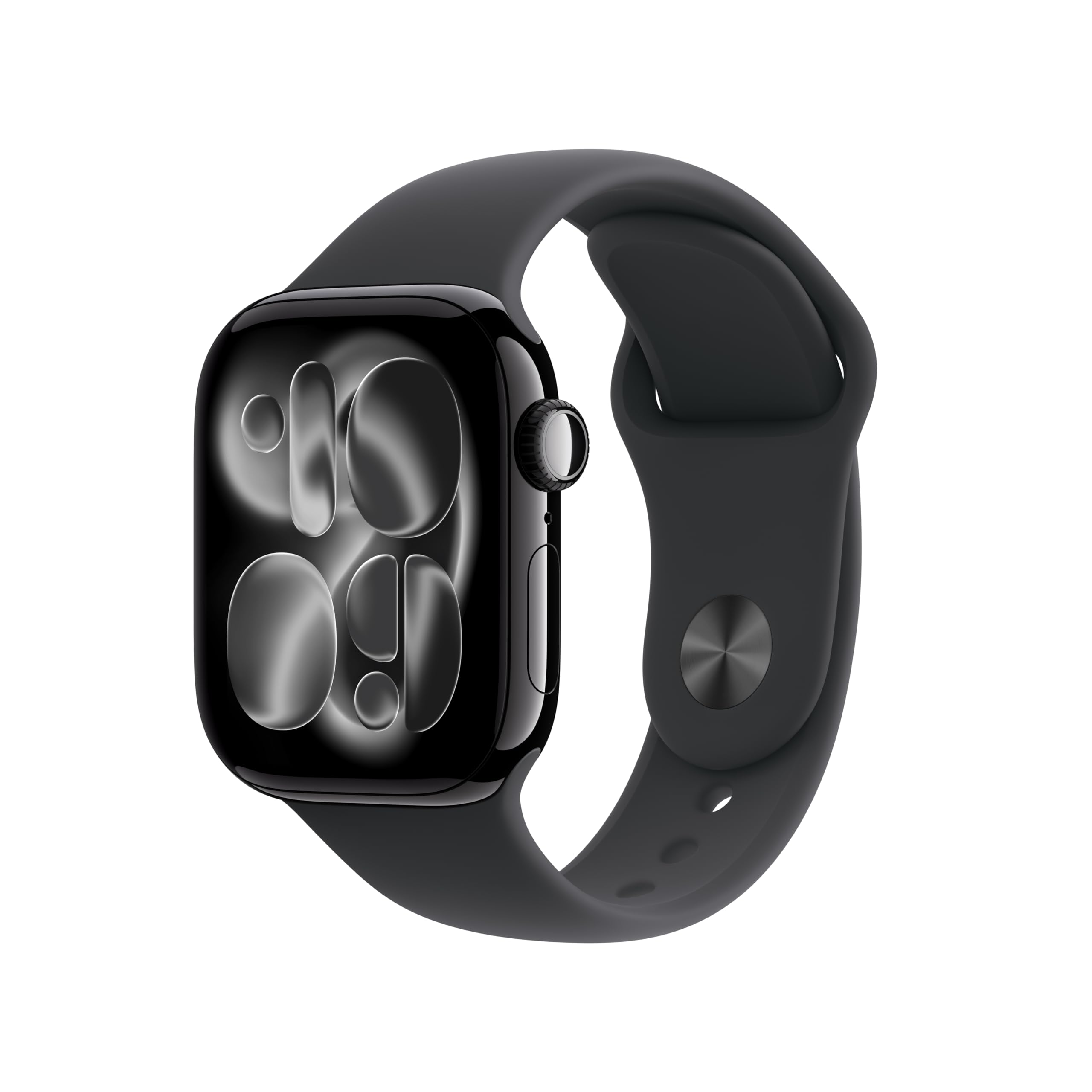
Before investing in a smartwatch, the most critical step is separating the appeal of new technology from your actual daily requirements. Many shoppers are drawn to the Apple Watch Series 11 GPS 42mm (Jet Black, Black Sport Band S/M) by Apple because of its ecosystem integration, but it is essential to ask whether a smartwatch will genuinely enhance your routine or simply add another screen to your life. Consider what you hope to achieve: are you looking for a fitness companion, a way to silence phone distractions, a medical monitoring tool, or a fashion accessory? Being honest about these motivations prevents overspending on capabilities you will never use.
Start by tracking your current habits for a week. If you already carry your phone everywhere and rarely miss notifications, a smartwatch might feel redundant. However, if you exercise outdoors, need hands-free access to messages, or want passive health tracking, a wearable becomes far more practical. The goal is to identify the gap between what your phone currently does and what a watch on your wrist could do more conveniently.
Evaluating Ecosystem Compatibility
The Apple Watch Series 11 GPS 42mm (Jet Black, Black Sport Band S/M) by Apple is designed exclusively for the iPhone ecosystem. This is a fundamental consideration: if your household includes Android devices or you are contemplating switching platforms, this wearable will not function as intended. Before committing, verify that your current phone is running a compatible operating system and that you are comfortable remaining within the Apple ecosystem for the lifespan of the watch.
Beyond the phone itself, consider the broader ecosystem. Do you use Apple Health, Fitness, or other integrated services? If you already rely on third-party health apps or a different ecosystem for smart home control, integration friction is inevitable. A smartwatch is only as useful as its ability to sync seamlessly with the tools you already use, so map out your digital life before making a decision.
Assessing Fitness and Health Tracking Priorities
For many buyers, health and fitness tracking is the primary justification for a smartwatch. The Apple Watch Series 11 GPS 42mm (Jet Black, Black Sport Band S/M) by Apple offers a broad suite of sensors, but shoppers should evaluate which metrics actually matter to them. If you are a dedicated runner, accurate heart rate monitoring and route tracking are essential. If your focus is general wellness, step counting and basic activity reminders may suffice. Understanding your fitness profile helps you avoid paying for advanced sensors you will never leverage.
A common mistake is assuming that a smartwatch will automatically motivate you to exercise. The watch is a tool, not a personal trainer. If you are not currently active, purchasing a wearable will not change that overnight. Consider whether you will use the data constructively or whether it will become another source of guilt. For those already engaged in fitness routines, however, the data can be genuinely valuable for identifying trends and optimizing performance.
Considering Daily Convenience and Distraction Management
One of the most overlooked aspects of smartwatch ownership is how it changes your relationship with notifications. The Apple Watch Series 11 GPS 42mm (Jet Black, Black Sport Band S/M) by Apple can either reduce your phone dependence or amplify your distraction. The outcome depends entirely on how you configure it. Before buying, think about your current notification load. If you already feel overwhelmed by alerts, adding a wrist-based buzzer may worsen the problem unless you commit to aggressive filtering.
Practical users often find the most value in triage: glancing at the wrist to decide which messages deserve an immediate response and which can wait. This requires discipline and setup time. Map out which apps truly warrant wrist attention and which should remain silent. A smartwatch should serve your focus, not fracture it further.
Understanding GPS vs. Cellular Connectivity
The distinction between GPS and cellular models is a frequent source of buyer regret. The Apple Watch Series 11 GPS 42mm (Jet Black, Black Sport Band S/M) by Apple relies on a tethered connection to your iPhone for most data functions. If you want to stream music on a run without your phone, answer calls while your device is in another room, or use navigation independently, a GPS-only model will not meet those needs. Be honest about how often you are truly separated from your phone.
For the majority of users, the GPS model is entirely sufficient. Most people carry their phones during commutes, workouts, and daily errands. The cellular model adds recurring costs and complexity that only benefit a narrow set of use cases. If you are uncertain, default to the GPS version; upgrading later is always an option if your needs change.
Band Selection and Long-Term Comfort
Comfort is a frequently underestimated factor in smartwatch satisfaction. The Apple Watch Series 11 GPS 42mm (Jet Black, Black Sport Band S/M) by Apple includes a sport band designed for active use, but band preference is highly personal. If you have sensitive skin, sweat heavily during workouts, or plan to wear the watch overnight for sleep tracking, the included band may not be ideal for extended wear. Consider whether you will need to invest in alternative bands for different activities.
Think about how the watch fits into your wardrobe and daily life. A sport band works well at the gym but may look out of place in professional settings. Fortunately, the band system is interchangeable, so you can adapt the watch to different contexts. Factor the potential cost of additional bands into your overall decision, and consider trying different materials before committing to a long-term setup.
Common Mistakes and Questions to Ask Before Buying
The most common mistake shoppers make is buying a smartwatch for its novelty rather than its utility. The Apple Watch Series 11 GPS 42mm (Jet Black, Black Sport Band S/M) by Apple is a mature device, but it is still a companion peripheral, not a replacement for your phone. Ask yourself whether you will still be using the watch actively six months from now, or whether it will end up in a drawer. Consider your history with similar gadgets: if you have abandoned fitness trackers or smart devices in the past, identify why before repeating the pattern.
Before purchasing, verify current details and specifications with the retailer to ensure the model meets your expectations. Ask whether the health features are available in your region, as some capabilities vary by location. Confirm that your iPhone is compatible and running the necessary software. Finally, consider the learning curve: if you are not comfortable navigating new interfaces and customizing settings, the watch may feel more like a burden than a benefit.
Frequently asked questions
Will the Apple Watch Series 11 work with an Android phone?
No, the Apple Watch is designed exclusively for the iPhone ecosystem and requires a compatible iPhone to set up and function. If you use an Android device or anticipate switching platforms, this wearable will not meet your needs. Compatibility should be your very first checkpoint before considering a purchase.
Do I need the cellular model if I want to use the watch for workouts?
For most users, the GPS model is sufficient for workouts, provided you carry your phone with you. The cellular model is only necessary if you regularly exercise or travel without your phone and need independent connectivity for calls, messages, or streaming. Honestly assess how often you are truly separated from your device before deciding.
Is the included sport band comfortable for all-day wear?
The included sport band is designed for active use and works well for exercise, but comfort preferences vary widely. If you have sensitive skin, plan to wear the watch overnight, or need a band suited for professional environments, you may want to explore alternative options. Band comfort is highly personal and worth considering before committing.
Can a smartwatch actually improve my fitness habits?
A smartwatch is a tracking tool, not a motivation substitute. If you are already active, the data can help you identify trends and optimize routines. However, if you are not currently exercising regularly, purchasing a watch alone is unlikely to change your behavior. The device rewards existing habits rather than creating new ones.
How do I avoid notification overload with a smartwatch?
Notification management requires deliberate setup. Before wearing the watch regularly, review which apps are allowed to send wrist alerts and disable anything non-essential. The goal is to use the watch for triage, glancing to decide what deserves immediate attention. Without aggressive filtering, a smartwatch can amplify distraction rather than reduce it.