Understanding What Noise Canceling Actually Does
Active noise cancellation works by using built-in microphones to detect external sounds and then producing an inverse sound wave to neutralize them before they reach your ear. This technology is most effective against consistent, low-frequency sounds like engine hum, air conditioning, and traffic noise. It is far less effective against sudden, sharp sounds like voices, clattering dishes, or a dog barking. Before investing in a pair of noise-canceling headphones, it is important to understand that they will not create a cone of absolute silence around your head. Instead, they significantly reduce the ambient din of your environment, making it easier to focus or relax.
Passive isolation also plays a major role in how well a pair of headphones performs. This refers to the physical barrier created by the earcups pressing against your head. Over-ear models generally offer superior passive isolation compared to in-ear models because they cover a larger surface area. When active noise cancellation is paired with strong passive isolation, the combined effect is much more immersive. Shoppers should look for a pair that clamps securely without causing discomfort, as a poor seal will let external sound leak in regardless of how advanced the electronic noise cancellation is.
Matching Headphones to Your Daily Environment
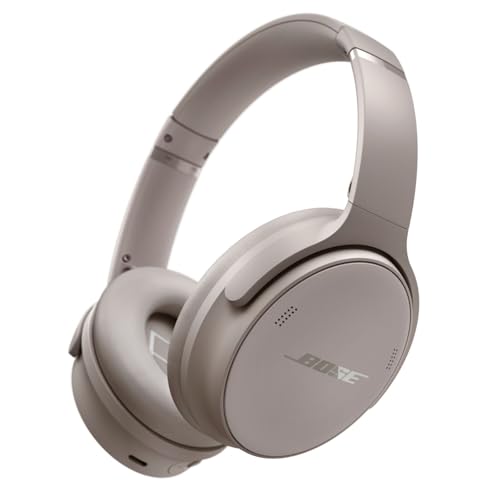
Your primary listening environment should dictate the type of headphones you buy. Frequent flyers, commuters, and open-office workers benefit most from over-ear noise-canceling models because these environments are dominated by the low-frequency droning sounds that active noise cancellation handles best. In these scenarios, a model like the Bose QuietComfort Wireless Noise-Canceling Headphones is designed specifically to reduce the fatigue associated with long periods of background noise. If you spend most of your time in a quiet home office, however, active noise cancellation may be an unnecessary feature that adds weight and complexity to the device.
For those who exercise outdoors or walk in busy areas, transparency mode is a critical feature to evaluate. This mode uses the external microphones to pipe in ambient sound so you can hear traffic and conversations without removing the headphones. If your routine involves situational awareness, prioritize models with adjustable transparency modes. Conversely, if your goal is to create a focused, distraction-free environment for deep work or travel, you want a pair of headphones that emphasizes maximum noise reduction over environmental awareness.
Comfort and Long-Term Wearability
When headphones are worn for several hours at a time, comfort becomes just as important as sound quality. The clamping force of the headband, the material of the ear cushions, and the overall weight distribution all contribute to how a pair feels after three or four hours of continuous use. Memory foam padding wrapped in synthetic leather is common in premium models because it conforms to the shape of the head and ears, distributing pressure evenly. However, synthetic leather can trap heat, causing sweating during prolonged use or in warmer climates.
Weight is another crucial factor. Heavier headphones can cause neck strain over time, even if the earcups are well-padded. When evaluating options, consider how the weight is balanced. A model with heavy earcups and a thin headband may dig into the top of your skull, while a well-distributed design will feel lighter than it actually is. If you have a larger head or wear glasses, pay special attention to the clamping force, as excessive pressure can cause headaches or discomfort around the ears where the glasses arms sit.
Wireless Connectivity and Daily Convenience
Modern wireless headphones rely on Bluetooth, but the implementation varies significantly between models. Multipoint pairing is a feature that allows headphones to connect to two devices simultaneously, such as a laptop and a smartphone. This is incredibly useful for people who take calls on their phone while working on a computer, as the headphones will automatically switch to the ringing phone and back to the computer when the call ends. If your workflow involves jumping between devices, confirm that the model supports multipoint pairing.
Another consideration is the companion app. Many premium headphones come with an app that allows you to adjust equalizer settings, toggle noise cancellation modes, and update firmware. A well-designed app can extend the life and utility of the headphones, while a poorly supported app can become frustrating. Check user reviews regarding the stability and features of the companion app before committing to a purchase. Additionally, consider the physical controls. Tactile buttons are generally more reliable than touch controls, especially in cold weather or if your hands are wet.
Common Mistakes When Choosing Noise-Canceling Headphones
One of the most frequent mistakes shoppers make is prioritizing noise cancellation over sound quality. While blocking out the world is the primary goal, you still want to enjoy the audio coming through the speakers. Some models focus entirely on noise reduction and deliver a muddy or uninspiring sound profile. Look for a balance where the audio is crisp, the bass is controlled, and the midrange is clear. Reading reviews that specifically discuss the acoustic signature, rather than just the noise cancellation, will help you avoid disappointment.
Another mistake is ignoring the importance of earpad replacement. The cushions on over-ear headphones degrade over time due to sweat, body oils, and general wear. Before buying, check if the manufacturer offers replacement earpads or if third-party options are available. Models with permanently attached cushions will need to be replaced entirely once the padding wears out. Finally, do not assume that a higher price guarantees a better fit for your needs. Evaluate the specific features that matter to your daily routine rather than assuming the most expensive option is the correct one.
Questions to Ask Before You Buy
Start by asking yourself how many hours a day you will realistically wear the headphones. If the answer is less than an hour, a bulky over-ear model may be overkill. If the answer is four or more, comfort and battery longevity become paramount. Next, consider your primary audio source. If you listen to high-resolution audio files, you will want a pair that supports advanced audio codecs. If you primarily stream podcasts or standard music, codec support matters less.
Ask yourself how often you travel. If you fly frequently, a pair that folds compactly into a travel case is essential. If you mostly use them at a desk, a bulkier design is acceptable. Finally, consider your ecosystem. Some headphones integrate seamlessly with specific operating systems, allowing for quick pairing and switching. Others are more platform-agnostic but may lack the convenience features of native integration. Always verify the current specifications and compatibility with the retailer before finalizing your purchase to ensure the model meets your specific requirements.
Frequently asked questions
Are noise-canceling headphones worth it for a home office?
If your home office is truly quiet, active noise cancellation may be unnecessary. However, if you share a space with others or deal with neighborhood noise, they can be highly beneficial. Consider whether the background noise you experience is consistent and low-frequency, as this is what active noise cancellation handles best.
Can I use noise-canceling headphones without playing music?
Yes, most models allow you to activate noise cancellation without playing audio. This is useful for creating a quiet environment for reading, working, or sleeping on a plane. The effectiveness of this approach depends on how well the headphones fit and how much passive isolation they provide.
Do noise-canceling headphones drain the battery faster?
Yes, active noise cancellation requires power to run the microphones and processing chip. Using the feature will reduce the total listening time compared to using the headphones with noise cancellation turned off. If battery longevity is a primary concern, check the manufacturer's stated specifications for both modes.
Will glasses interfere with the noise cancellation?
Glasses can break the seal between the earcushion and your head, allowing external sound to leak in. This can reduce the effectiveness of both passive isolation and active noise cancellation. Thicker earpads or frames that sit flush against the head can help minimize this issue.
How do I know if a specific model will fit my head comfortably?
Fit is highly personal, so trying a pair in person is the best method. If that is not possible, look for reviews from users with similar head sizes. Pay attention to the adjustability of the headband and the depth of the earcups, especially if you have larger ears.