Understanding What an Air Purifier Actually Does
An air purifier is not a magic box that eliminates every indoor air problem. It works by pulling room air through a series of filters that capture particles and, in some cases, gases or odors. The most common filtration stages include a pre-filter for larger debris like dust and pet hair, a HEPA-style filter for fine particles such as pollen and smoke, and an activated carbon layer for odors and volatile organic compounds. Understanding which of these stages matter most for your situation is the first step in deciding whether a given model suits you.
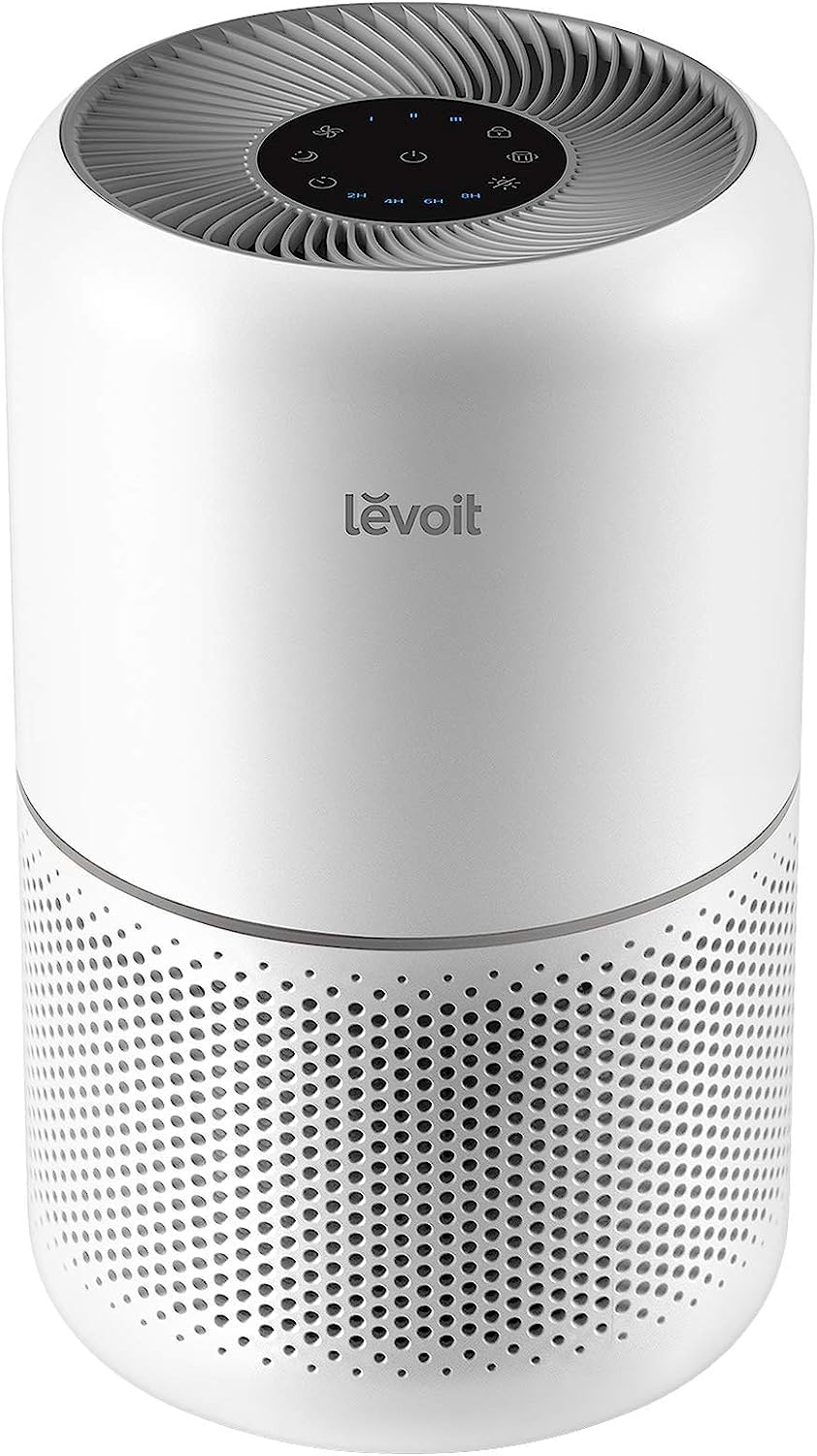
The LEVOIT Core 300-P Air Purifier, like many compact units in its category, relies on a multi-stage filter approach. But the real question is not whether the technology is sound—it almost always is at a basic level—but whether the airflow capacity, filter design, and noise profile match the room and the problems you are trying to solve. Shoppers who buy an air purifier without thinking through these match-ups often end up disappointed, not because the product is flawed, but because expectations and reality were never aligned.
Matching Room Size to Air Purifier Capacity
The single most common mistake people make when choosing an air purifier is buying a unit designed for a smaller space than the one they actually use it in. Every air purifier is engineered to cycle a certain volume of air per hour. If you place a bedroom-sized unit in an open-concept living area, it will run constantly, work harder than it should, and still struggle to meaningfully reduce particle levels. The result is a unit that feels underpowered and leaves you wondering whether air purifiers work at all.
Before purchasing, measure the room where the unit will live and think about whether doors are typically open or closed. A dedicated bedroom with the door shut is a very different environment from a bedroom that opens into a hallway and living space. The LEVOIT Core 300-P Air Purifier is generally discussed as a bedroom or small-office option, so if your plan is to cover a large open kitchen-living area, you should be honest with yourself about whether a compact unit is the right tool. In many cases, two smaller units placed strategically in adjacent rooms outperform one unit that is stretched beyond its intended range.
Identifying Your Primary Air Quality Concern
Different households have different reasons for wanting cleaner air, and those reasons should drive your decision. Common motivations include seasonal allergies, pet dander and odors, cooking smells, wildfire smoke, dust sensitivity, and general wellness. Each of these concerns interacts with filtration differently. A HEPA-style filter handles particles like pollen, dander, and fine dust well. Activated carbon handles odors and some gases but has a finite lifespan that depends on how concentrated those odors are.
If your main concern is pet odors, you need to pay close attention to the carbon layer and be prepared to replace filters on a regular schedule. If your concern is pollen or dust, the HEPA stage does the heavy lifting and carbon is secondary. The LEVOIT Core 300-P Air Purifier uses a combined filter approach, which is convenient but means you replace the entire filter cartridge rather than swapping stages independently. Think about whether that trade-off works for your budget and maintenance habits before committing.
Noise Levels and Daily Livability
An air purifier is an appliance you live with, often in the room where you sleep or work. Noise is therefore not a minor consideration—it can determine whether you actually use the product or unplug it after a week. Most units offer multiple fan speeds, and the difference between the lowest and highest settings can be dramatic. On low, many units produce a gentle hum that blends into background noise. On high, they can be loud enough to interfere with conversation or television.
Think about when and how you plan to use the unit. If you want it running overnight in a bedroom, the lowest setting matters most, and you should look for user feedback specifically about sleep-mode noise. If you plan to run it on high after cooking or during high-pollen days, tolerance for louder operation is fine as long as it is temporary. Also consider placement: a unit tucked against a wall or behind furniture may be quieter to your ears but can also restrict airflow and reduce effectiveness. The LEVOIT Core 300-P Air Purifier and similar compact units are designed to sit unobtrusively in a room, but that only works if you give it enough clearance to actually pull and push air freely.
Maintenance Costs and Filter Replacement Reality
The purchase price of an air purifier is only part of the total cost of ownership. Filters need regular replacement, and replacement frequency depends on air quality, usage hours, and the type of particles the unit is capturing. A household with multiple pets and open windows will go through filters faster than a single-occupant apartment with sealed windows. This is not a flaw of any particular product; it is simply how filtration works.
Before buying, find out what replacement filters cost and how easy they are to obtain. Some models use proprietary filters available only from the manufacturer, while others have wider availability. Check whether the unit has a filter replacement indicator or whether you need to track usage manually. The LEVOIT Core 300-P Air Purifier uses a specific replacement cartridge, so you should confirm ongoing availability and factor that into your long-term expectations. A unit that is inexpensive to buy but uses costly or hard-to-find filters can become frustrating over time.
Common Mistakes That Undermine Performance
Beyond sizing and maintenance, a few recurring mistakes reduce how well any air purifier works. Placing the unit in a corner or behind a chair restricts intake and output. Running it only sporadically means particle levels rebound between uses. Expecting instant results from a single device in a dusty, open home leads to disappointment. Air purifiers work best as part of a broader strategy that includes regular vacuuming, minimizing indoor pollution sources, and managing ventilation.
Another mistake is ignoring the pre-filter. Many units have a washable or replaceable pre-filter that catches larger particles before they reach the HEPA stage. Cleaning or replacing this layer extends the life of the main filter and keeps airflow strong. If you never touch the pre-filter, the HEPA stage clogs faster and the whole system becomes less efficient. Whatever unit you choose, build a simple maintenance routine into your schedule from day one.
Questions to Ask Yourself Before Buying
Start with the room: what are its dimensions, and is it open or closed off from the rest of the home? Then consider the problem: are you targeting particles, odors, or both? Next, think about noise tolerance: will this unit run while you sleep, or only during the day? Ask about filter replacements: what do they cost, how often are they needed, and where do you get them? Finally, consider placement: where will the unit sit, and does that spot allow for adequate airflow on all sides?
If you can answer these questions clearly, you will be in a strong position to evaluate any air purifier, including the LEVOIT Core 300-P Air Purifier, against your actual needs rather than against marketing claims. Always verify current specifications, filter availability, and warranty details with the retailer before purchasing, as product details can change over time and your specific situation should drive the final decision.
Frequently asked questions
How do I know if an air purifier is the right size for my room?
Measure your room's length and width to get the square footage, then check whether the unit is designed for that coverage area. Keep in mind that open doorways and hallways effectively increase the space the unit needs to handle. When in doubt, choose a unit rated for a larger space than your room, or consider two smaller units for adjacent areas.
How often should I replace the filter?
Replacement frequency depends on air quality, how many hours per day the unit runs, and whether you have pets or open windows. A typical guideline is every several months, but heavy-use environments may need more frequent changes. Watch for reduced airflow or lingering odors as signs that the filter is nearing the end of its useful life.
Can I leave an air purifier running all night?
Yes, most units are designed for continuous operation, and running overnight is common for allergy sufferers. Use the lowest fan setting if noise is a concern, and make sure the unit has clear space around it for proper airflow. Always follow the manufacturer's safety instructions regarding placement and ventilation.
Will an air purifier remove cooking odors from my kitchen?
An air purifier with an activated carbon layer can help reduce cooking odors, but it works best in an enclosed room and may struggle in an open-plan home. For strong or frequent cooking odors, combine the purifier with good ventilation, such as a range hood, and be prepared to replace the carbon filter more often than you would in a low-odor environment.
Do I need more than one air purifier in my home?
If you have multiple rooms where air quality matters—such as a bedroom and a living room—a single compact unit may not be enough. Moving one unit between rooms is less effective than having dedicated units, because particle levels rebound quickly when the purifier is absent. Assess which rooms you spend the most time in and prioritize coverage accordingly.