Start With Your Actual Usage, Not the Spec Sheet
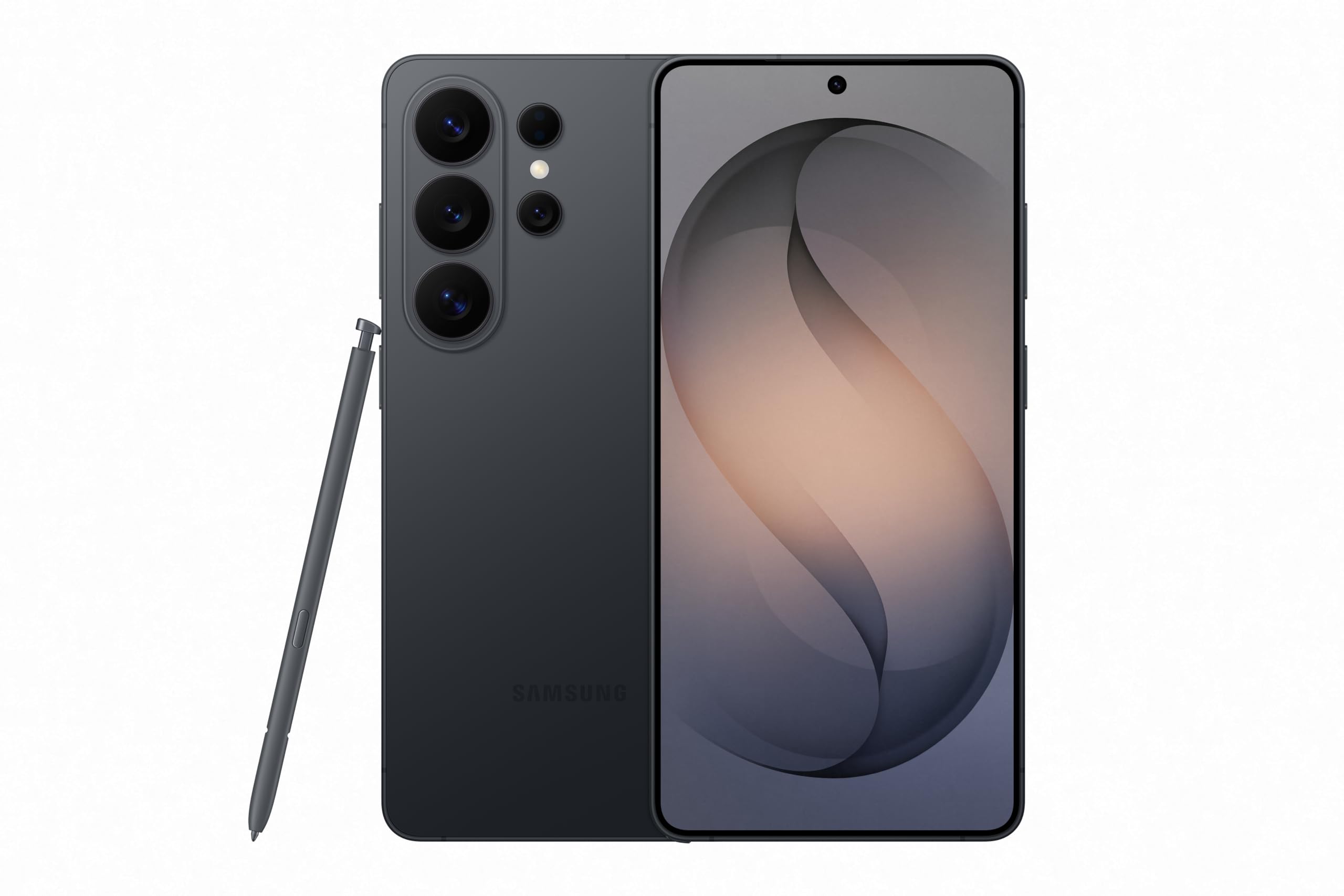
When shopping for a flagship smartphone like the Samsung Galaxy S26 Ultra, the most common mistake is evaluating the device based on its capabilities rather than your own habits. Manufacturers design these phones to appeal to the widest possible audience, which means they include features that sound impressive but may go completely unused in your daily routine. Before considering a purchase, take a week to mentally log how you actually use your current phone. If your daily routine consists of checking email, browsing social media, streaming music, and taking occasional photos, a flagship device may offer more capacity than you truly need.
Conversely, if you frequently edit documents on the go, capture video for personal or professional projects, or rely heavily on cloud storage for large files, a high-capacity flagship device makes more sense. The goal is to map your specific workflow to the device hardware. Pay attention to how often you hit storage limits on your current phone, how comfortable the device feels during extended use, and whether your current screen size hinders your productivity. Matching these observed needs to the appropriate hardware tier prevents overspending on capabilities that will sit idle.
Evaluating Storage Capacity Honestly
Storage is one of the most frequently misunderstood aspects of a smartphone purchase. Many shoppers default to the highest available capacity out of fear of running out of space, but actual storage needs depend heavily on media habits. If you regularly download movies for travel, maintain an extensive offline music library, or record high-resolution video, opting for a larger storage tier is a practical choice. The Samsung Galaxy S26 Ultra offers substantial internal storage, which provides significant headroom for users who manage large media libraries or install numerous resource-intensive applications.
However, if you primarily stream content rather than downloading it, and if you rely on cloud services for photo backups, your local storage requirements drop dramatically. Before selecting a storage tier, check your current phone's used storage. If you have only used a fraction of your current capacity, upgrading to a larger tier may not be a practical investment. Consider how your habits might change over the lifespan of the device, but remain realistic about your likely behavior rather than your theoretical maximum.
The Unlocked Advantage and Carrier Considerations
Choosing an unlocked device provides flexibility that carrier-locked models cannot match. An unlocked phone allows you to switch carriers, use local SIM cards when traveling internationally, and avoid pre-installed carrier applications that take up space and cannot be removed. For frequent travelers or those who like to shop around for the best mobile plans, an unlocked flagship is usually the most practical route. It gives you complete control over your cellular service without being tied to a specific provider.
Before purchasing an unlocked model, verify that the device supports the network bands used by your preferred carrier. While most modern flagship phones are designed to work across major networks, regional variations can exist. You should confirm compatibility with the retailer or manufacturer before completing your purchase. Additionally, consider how you will manage warranty service or repairs, as unlocked devices purchased from third-party retailers may have different support channels compared to devices bought directly through a carrier.
Camera Capability vs. Photographic Intent
Flagship smartphones are frequently marketed on the strength of their camera systems, but the practical value of these systems depends entirely on your photographic intent. If you are a casual photographer who primarily captures snapshots for social media, the advanced optics and computational photography features of a flagship device may be redundant. A flagship camera system truly distinguishes itself when capturing fast-moving subjects, shooting in challenging lighting conditions, or recording video that requires significant stabilization and dynamic range.
When evaluating whether a flagship camera setup fits your needs, consider how often you edit photos after taking them. If you rarely adjust exposure, crop heavily, or print your photos, the additional data captured by premium sensors offers limited practical benefit. However, if you treat your phone as your primary creative tool, the ability to capture detailed images and manipulate them post-capture becomes a significant advantage. Be honest about whether you need professional-grade results from a phone or simply want reliable documentation of daily life.
Ergonomics and Long-Term Comfort
A flagship smartphone is a device you will likely hold for several hours each day, making ergonomics a crucial but often overlooked factor. Larger screens are excellent for media consumption and multitasking, but they can be difficult to manage with one hand or fit comfortably in smaller pockets. When evaluating a device, consider how it feels to hold during extended reading sessions, whether you can reach the upper portion of the screen without adjusting your grip, and how the weight distribution affects your hand over time.
The physical design of the device also impacts durability. Consider how the phone will interact with your existing cases and screen protectors. Some materials are more prone to fingerprints or scratches, which may bother users who prefer a pristine aesthetic. If you work in an environment where your phone is exposed to dust, moisture, or impacts, verify the device's durability ratings and ensure that your daily routine will not compromise the hardware. Always confirm these specific details with the retailer before purchasing.
Common Mistakes When Buying a Flagship Phone
The most frequent mistake shoppers make is assuming that a newer flagship will automatically solve problems with their current device. If your current phone suffers from poor battery life due to a degraded battery, or if it runs slowly because the storage is nearly full, a new phone will temporarily mask these issues. However, without changing your usage habits, the new device will eventually face the same limitations. Another common error is overlooking the total cost of ownership, including accessories, potential repair costs, and the learning curve associated with a new user interface.
Another mistake is ignoring the software ecosystem. If you have invested heavily in a specific platform's applications, cloud storage, or smart home devices, switching to a different operating system can create friction. Evaluate whether your essential applications are available on the new platform and whether migrating your data will be a seamless process. Take the time to research migration tools and confirm that your current workflow will translate smoothly to the new device.
Questions to Ask Before You Commit
Before finalizing a purchase, ask yourself a few guiding questions. What specific problem does this new device solve that my current phone cannot? If you cannot articulate a clear, practical reason for the upgrade, it may be worth waiting. Consider the lifespan of the device and how long you plan to keep it. Flagship phones are designed to receive software updates for several years, which makes them a sensible long-term investment if you typically hold onto a phone for an extended period.
Additionally, ask yourself how you will protect your investment. Will you need a specific type of case, and are those accessories readily available? How will you handle repairs if the screen or battery fails? Understanding the support infrastructure for your device before you buy prevents frustration later. Finally, verify all current specifications, warranty terms, and return policies with the retailer. Product details can change, and confirming the specifics of your intended purchase ensures you know exactly what you are receiving.
Frequently asked questions
How do I know if a flagship phone is overkill for my needs?
If your daily phone usage is limited to basic tasks like messaging, web browsing, and casual photography, a flagship device likely offers more capability than you will use. Flagship phones are best suited for users who need advanced camera systems, significant storage for large media files, or the processing power for mobile productivity and gaming.
What are the practical benefits of buying an unlocked phone?
Unlocked phones provide the flexibility to switch between carriers without hardware restrictions, which is ideal for frequent travelers or those who change mobile plans often. They also typically avoid pre-installed carrier applications, resulting in a cleaner software experience and more available storage.
How should I decide which storage capacity to choose?
Base your decision on your current usage patterns. Check how much storage you are actively using on your current phone and consider whether your habits will change. If you stream most media and use cloud storage for photos, a lower capacity may suffice. If you download large files or record high-resolution video, a larger capacity is more practical.
Is a large screen always better for productivity?
Not necessarily. While a larger screen improves multitasking and media consumption, it can make the device difficult to operate with one hand and less portable. Consider your typical usage environment and whether the increased screen real estate justifies the compromise in ergonomics and handling.
What should I verify with the retailer before purchasing?
You should confirm the exact specifications of the model you are purchasing, the manufacturer's warranty terms, the return policy, and the device's compatibility with your preferred cellular network. Product configurations can vary, so verifying these details ensures the device meets your expectations.