Understanding What Premium Noise-Canceling Headphones Solve
Before investing in premium wireless noise-canceling headphones, it helps to understand the specific problems this category addresses. Active noise cancellation works by using built-in microphones to detect ambient sounds and generate inverse sound waves that neutralize them before they reach your ears. This technology excels at reducing consistent, low-frequency sounds like airplane engines, train hum, or air conditioning drone. It does not eliminate sudden, sharp noises like a colleague's laugh or a dog bark, though it does soften them. The real value proposition here is environmental control: creating a personal sanctuary in otherwise uncontrollable shared spaces. If you frequently work in cafes, commute on public transit, or travel by air, this technology fundamentally changes your experience. If you primarily listen to music in a quiet home office, you are paying for capabilities you will rarely use. Consider your weekly routine honestly. How often are you in environments where external noise genuinely diminishes your ability to focus or enjoy audio? That frequency should drive your decision more than any specification on a box.
Evaluating Fit: Lifestyle and Use-Case Alignment
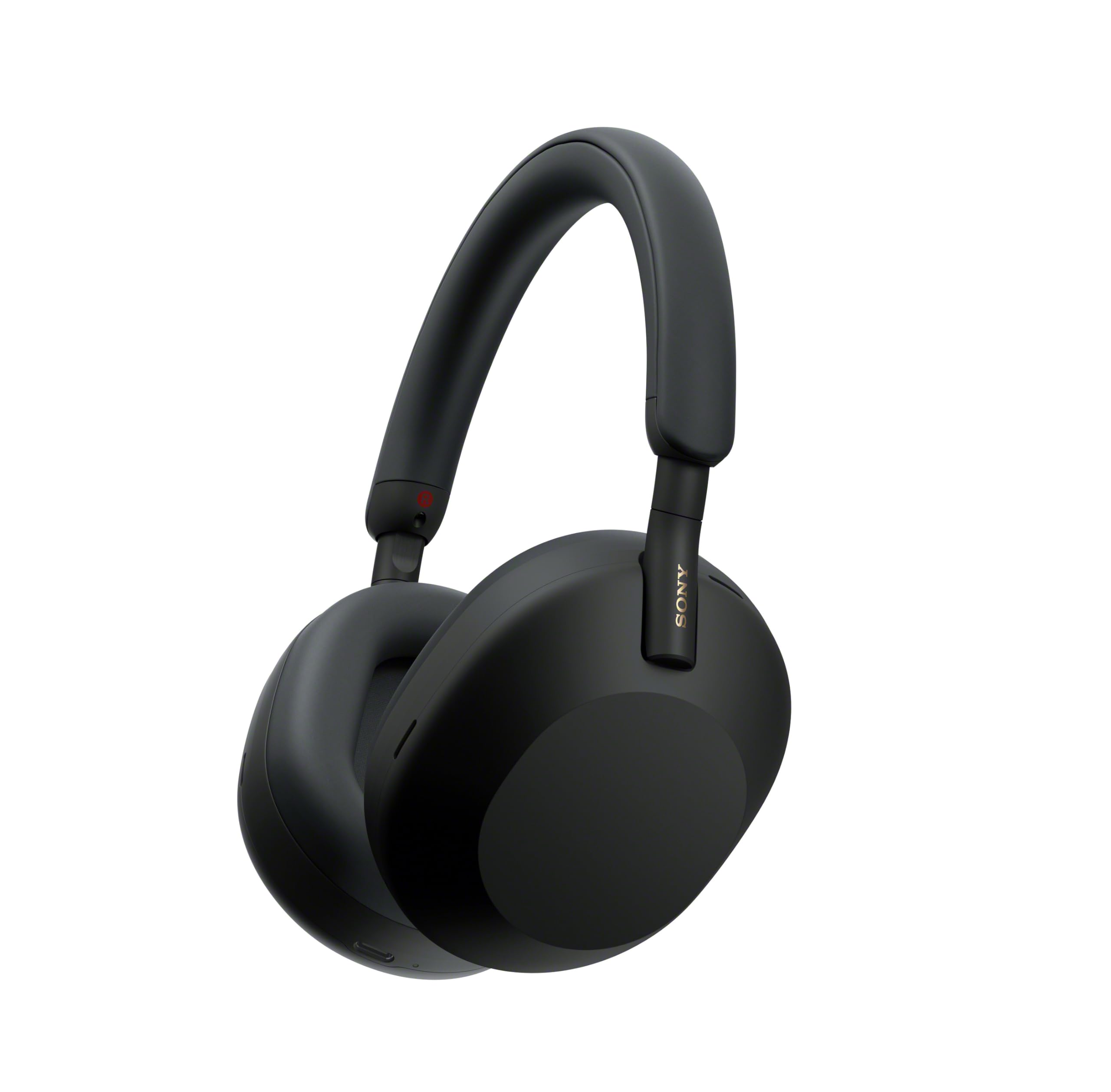
The Sony WH-1000XM5 Wireless Noise-Canceling Headphones, Black represents a specific approach to premium audio that prioritizes portability, all-day comfort, and adaptive noise cancellation. This style suits people who want a single device that transitions seamlessly between office, commute, and home use. The over-ear design creates a physical seal that passively blocks noise even when the electronics are off, and the headband distributes weight across the head for extended listening sessions. When evaluating whether this fits your life, consider how you interact with your environment. Do you need to hear announcements or coworkers without removing your headphones? Premium models often include transparency modes that pipe in external audio, but these vary in naturalness. Think about your typical listening duration. If you wear headphones for several consecutive hours, weight and clamping force matter as much as sound quality. Also consider your storage habits. Over-ear headphones require more space than earbuds, and their cases add bulk to a bag. If you carry a minimal load or switch between listening and conversation frequently, true wireless earbuds might serve you better despite their shorter battery life.
Sound Signature and What It Means for Your Music
Premium headphones often have a distinct sound signature that shapes how different genres and recordings present themselves. Some models emphasize bass response, which suits electronic and hip-hop but can muddy orchestral or vocal-heavy tracks. Others aim for a neutral, balanced presentation that reproduces music as the artist intended, which flatters acoustic, jazz, and classical recordings but may feel underwhelming if you crave visceral impact. The Sony WH-1000XM5 Wireless Noise-Canceling Headphones, Black offers a tunable sound signature through companion software, allowing you to adjust equalization to your preference. This flexibility matters because no single tuning satisfies every listener or every genre. When evaluating headphones, think about the music you actually listen to, not the tracks used in reviews. If your library leans heavily toward one style, prioritize headphones known for excelling in that range. If your taste is eclectic, look for balanced reproduction with customization options. Also consider source quality. Streaming services vary in bitrate, and premium headphones reveal the limitations of highly compressed audio more readily than cheap earbuds do. If you stream at standard quality, you may not hear the difference a premium driver makes.
Common Mistakes Shoppers Make
One frequent mistake is prioritizing noise cancellation strength over comfort and sound quality. Exceptional noise cancellation becomes irrelevant if the headphones cause pressure pain after thirty minutes or if the audio reproduction leaves you unsatisfied. Another error is assuming that higher price always correlates with better fit for your specific needs. Premium models represent engineering tradeoffs, and a flagship's priorities may not align with yours. Some shoppers also overlook the importance of companion software. The ability to update firmware, adjust equalization, and customize controls affects long-term satisfaction. A model with weak software support ages poorly. Finally, many buyers underestimate the value of trying headphones before committing. Head shape, ear size, and personal sensitivity to clamping pressure vary enormously. What feels luxurious to one person causes headaches for another. If possible, visit a retailer to test fit and comfort with your own music before purchasing online. Verify current specifications and return policies with the retailer, as these details can change.
Questions to Ask Before Committing
Start by asking how often you will use noise cancellation versus standard listening. If the answer is rarely, your money may be better spent on traditional wired headphones or wireless models without active cancellation, which often deliver superior sound per dollar. Ask yourself how you plan to carry the headphones. Do you have bag space for a full-size case, or do you need something that fits in a jacket pocket? Consider your ecosystem. Do you switch between a phone and laptop frequently, or stay within one platform? Multipoint connectivity, which allows pairing to two devices simultaneously, matters more for some users than others. Think about call quality. If you take meetings or phone calls through your headphones, microphone performance in noisy environments becomes critical, and not all premium models handle this equally. Finally, ask how long you expect to keep them. Premium headphones should last several years, but battery degradation is inevitable. Research whether the battery is replaceable, as this affects longevity significantly.
Alternatives Worth Considering Based on Priorities
If comfort during marathon sessions is your top priority, look at models known for lightweight construction and plush ear cushions, even if their noise cancellation is slightly less aggressive. If sound quality matters above all else, consider whether you truly need active noise cancellation or whether a dedicated pair of wired headphones paired with a portable amplifier would better serve your listening habits. For travelers who value portability, true wireless earbuds with active noise cancellation have improved dramatically and offer a fraction of the bulk. The Sony WH-1000XM5 Wireless Noise-Canceling Headphones, Black occupies a middle ground that balances these priorities, but it does not lead in every category simultaneously. If you work primarily in a quiet environment but travel occasionally, a less expensive pair might cover your travel needs while you invest separately in a dedicated home listening setup. Understanding which single attribute matters most to you helps narrow the field quickly and prevents overspending on features you will not fully exploit.
Making the Final Decision with Confidence
The decision ultimately comes down to honest self-assessment. Premium noise-canceling headphones are versatile tools that improve daily life for the right user, but they represent a significant investment that should match your actual habits rather than aspirational ones. Write down the three environments where you would use them most. If at least two involve challenging ambient noise, the investment makes sense. If your list is dominated by quiet spaces, reconsider whether active noise cancellation is necessary. Check return policies before purchasing, and test the headphones in conditions similar to your intended use. Wear them for an extended period to assess comfort, not just a brief demo. Listen to your own music, not retailer demos, because familiar tracks reveal strengths and weaknesses faster than unfamiliar reference recordings. Confirm warranty coverage and service options, as premium electronics deserve protection. Verify all current specifications, features, and policies with the retailer before completing your purchase, as product details and terms can change over time.
Frequently asked questions
How do I know if active noise cancellation is worth it for me?
Track how often you find yourself in noisy environments where you want to listen or focus. If you commute, travel frequently, or work in shared spaces, active noise cancellation significantly improves your experience. If you mostly listen in quiet environments, the feature adds cost without daily benefit.
Are premium headphones noticeably better than mid-range models?
The difference is most apparent in three areas: noise cancellation refinement, build quality, and long-term comfort. Mid-range models have improved substantially, but premium options typically offer better ambient sound reduction, more durable construction, and superior comfort during extended sessions. Whether that improvement justifies the investment depends on your usage frequency.
Can I use noise-canceling headphones for phone calls and meetings?
Yes, but microphone quality varies significantly between models. Some excel at isolating your voice from background noise, while others sound muffled or pick up keyboard clatter. If calls are a primary use case, research microphone performance specifically rather than assuming audio quality translates equally to input and output.
What should I check before buying online?
Confirm the return window allows enough time to test comfort over several days. Verify what accessories are included, as cases and cables vary. Check warranty terms and whether service is available locally. Review the manufacturer's software support, as firmware updates affect performance and features over time.
How long should premium wireless headphones last?
With proper care, the physical hardware should last several years. The limiting factor is typically the battery, which degrades over charging cycles. Some models offer replaceable batteries while others do not, so research this if longevity is a priority. Firmware and software support also affect how long the headphones remain fully functional.